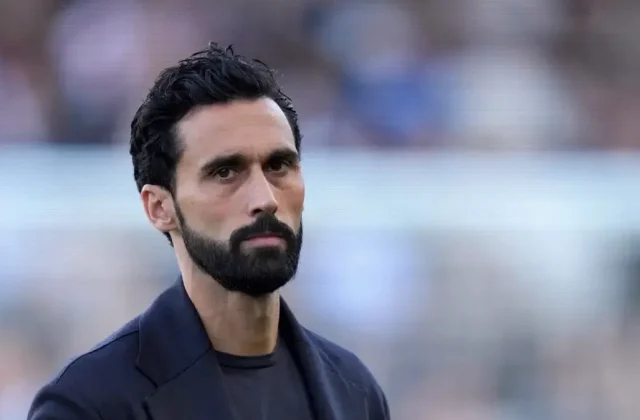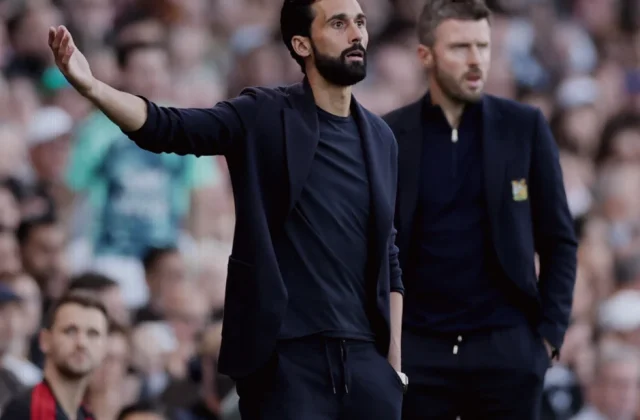
Ignazio Abate’s Torino returned from Udine with more than a difficult win: they brought back confirmation that a second tactical route is taking shape. The coach began with a 4-4-2 against Udinese, completing work he had publicly outlined after the match in Bologna, when he spoke of his preference for a four-man defence and promised to use the break to develop it.
Three weeks later, the system was ready for a demanding afternoon against an Udinese side Abate described as physical, intense and well built. Torino matched that challenge away from home, remained in the contest through its harder passages and ultimately took the result. It was not an entirely sudden development. The first ideas had been tested quietly during the summer, then surfaced in the stronger second halves at Fiorentina and Bologna.
A different balance around the pitch
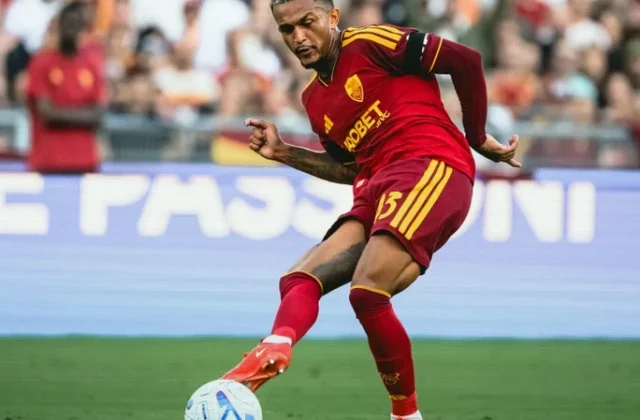
Against Udinese, Belghali operated at right-back, Rodriguez started on the left, while Coco and Comuzzo formed the central defensive pair. The consequences were felt further forward as well. Abate selected an energetic midfield capable of attacking space more aggressively and supporting a front two.
The shape, in his view, suits the personnel. Cacciamani can play in the area of the pitch that best fits him, while Giovanni Simeone benefits from having a strike partner rather than carrying the attacking burden alone. Vlasic and Oristanio, meanwhile, have room to vary their movements between central and wider positions. Abate singled out Niko Vlasic for an excellent performance and praised Gaetano for his willingness to work for the side.
There remains room for refinement. Torino can occupy the penalty area and the advanced spaces with greater numbers, particularly through a midfielder arriving later. But the 4-4-2 is not intended to become a permanent label. Abate has repeatedly shown that he does not see formations as fixed doctrine, preferring to find the right arrangement for each opponent and each stage of the season.
His concern in recent matches had been that the team were not attacking space often enough, partly because of individual profiles and partly because of the previous structure. The task, he believes, is to find the combination that releases the squad’s qualities rather than simply placing more attacking players on the field.
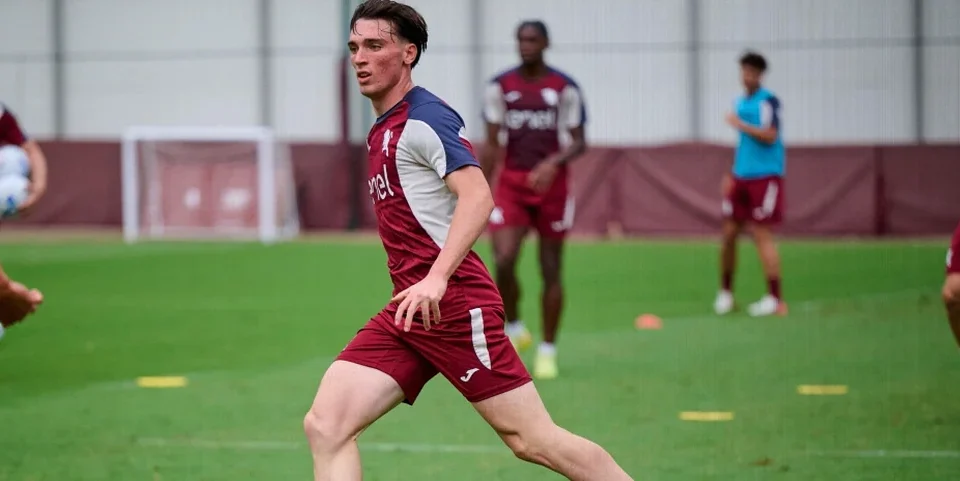
That selection puzzle has become broader. The arrivals of Bragança, Mandragora and Fitz-Jim add to midfield options including Ilkhan, Casadei, Gineitis, Vlasic and Oristanio, while Abate now has five forwards available. With eight midfielders to manage, the coach’s next challenge is to create a side that can keep possession without losing its cutting edge.
He pointed to Bologna as an example of that distinction: Torino controlled the ball well there, but did not turn their play into enough threat. Being more effective, Abate argued, depends on the determination to run beyond the ball and attack depth. It requires work in both directions. Yet he has consistently felt that his side possess defensive solidity and a collective desire to protect their own area without giving away too much.
The Udinese match also offered a reminder that tactical progress alone will not settle every Sunday. Torino went ahead, but allowed the equaliser in the 43rd minute. Abate felt the final minutes of the first half should have been managed with more craft, noting two moments when the ball appeared to be heading out of play but his players kept it alive and exposed themselves to danger.
Those small decisions are part of the next step. Abate wants his players to read the changing moods of a match better, to understand when a lead must simply be secured. Still, the response in Udine mattered deeply to him. There is improvement still to make, but the attitude was the essential point, and he believes the supporters saw a team prepared to push beyond its limits.