Alphadjo Cisse’s season is beginning to look like one of those Serie A stories shaped by decisions as much as performances. Milan won the race for him ahead of PSV Eindhoven, Italy won his international commitment ahead of Guinea, and now the 19-year-old is making himself difficult to overlook for both club and country.
Key takeaways
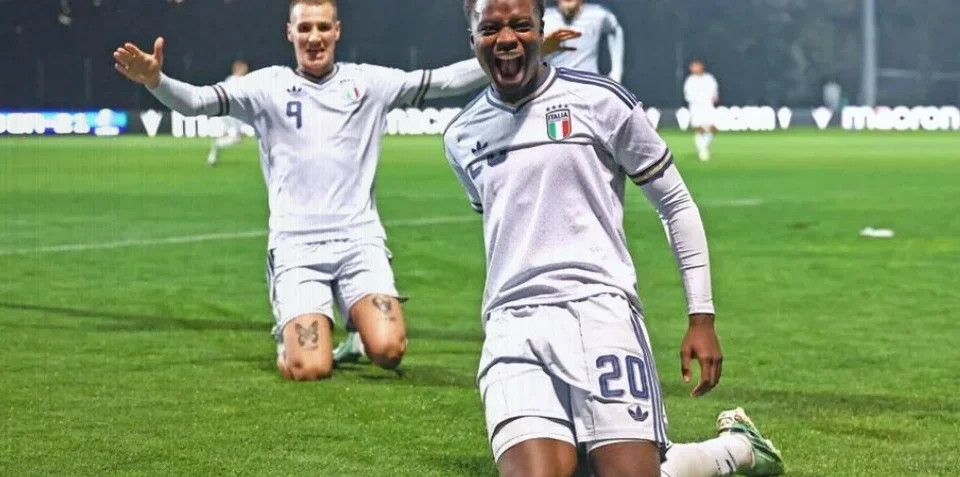
- Cisse scored Italy Under-21’s decisive late goal against Armenia in Yerevan.
- Italy must beat group leaders Poland by two goals on Monday to retain a direct route to Euro 2027.
- The Milan attacker chose to wait for Italy despite repeated approaches from Guinea, the country of his parents.
- PSV Eindhoven were close to signing Cisse before Milan intervened.
- Roberto Mancini included Cisse among his preliminary options for the senior Italy squad before leaving him out of the final group.
A decisive night with Italy Under-21
Cisse began on the bench in Yerevan, but changed the match after the interval. In the 50th minute, with Italy pressing inside the Armenian penalty area, he drove a powerful left-footed effort beneath the crossbar to keep alive the Azzurrini’s hopes of qualifying directly for Euro 2027.
The goal was only part of an influential second half. Cisse saw another left-foot attempt kept out by an outstanding save, struck the frame with a curling right-footed finish and won a penalty. It was a reminder of the personality he brings near goal: when the chance arrives, he rarely settles for the safest option.
The decision to leave him out of the starting line-up will naturally invite discussion, even while Baldini’s selection choices remain his own. Cisse’s opening weeks of the season have made him one of the most closely watched young attacking players in Italian football, and his response in Armenia strengthened that impression.
Italy’s task is now clear. Monday’s meeting with Poland, the section leaders, requires a victory by at least two goals if direct qualification is to remain possible.
Milan’s patience and a growing responsibility
Before this campaign, Cisse had already faced two important crossroads. Guinea had repeatedly sought to bring him into their national-team set-up, but he chose to hold out for an Italian future. Then came PSV’s attempt to take him to Eindhoven, with a move seemingly close before Milan stepped in.
That intervention has placed him at the centre of a demanding Milan season. His goals against Torino and Juventus in the first three league matches quickly brought him into the wider conversation, although he remained an unused substitute in the recent win over Lecce.
Amorim has publicly expressed his admiration for the attacking midfielder, while also urging restraint around a player still learning the game at senior level. The Milan coach described Cisse as exceptionally gifted, but stressed that he needs time to improve tactical details and defensive responsibilities. His development, Amorim said, has been remarkably rapid, yet the club must avoid placing excessive public pressure on him.
There is also a practical reason why Milan will need his contribution. Ramos has not yet supplied the goals expected in the forward line, while Amorim’s football benefits from the imagination and individual quality Cisse can provide between and around the opposition’s defensive lines.
With Milan’s schedule becoming more crowded from 11 October, further opportunities appear likely. Cisse himself believes he has not yet reached his full level, saying he is still operating at “60%”. For Milan and Italy, the next stage is to let that promise develop without losing sight of the demands that come with it.