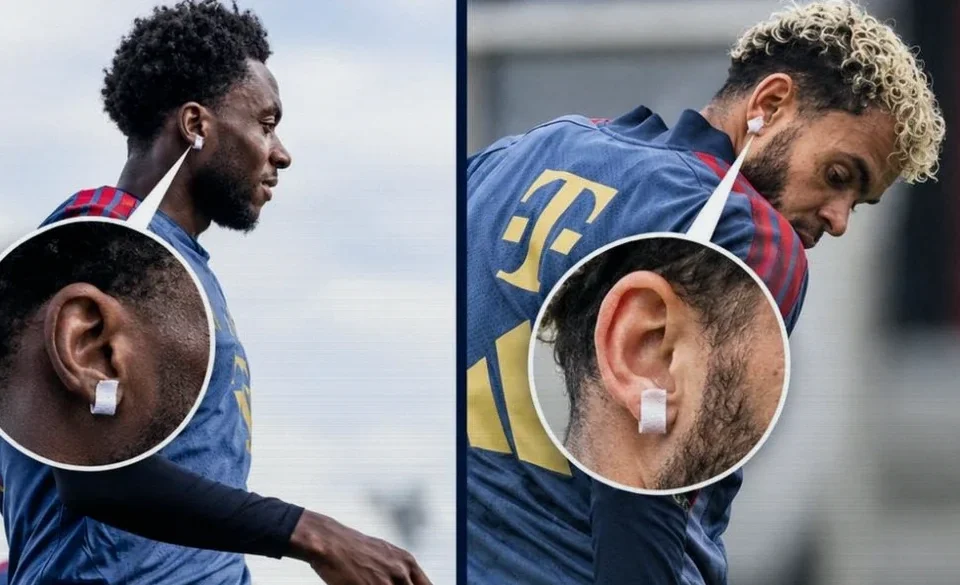
At Bayern Munich’s training ground, Vincent Kompany’s staff are using small blood samples from players’ earlobes as part of a detailed effort to keep the squad available through the season. The tiny marks occasionally visible in training photographs are linked to testing designed to spot fatigue before it becomes an injury problem.
The Bundesliga club takes the samples from the earlobe to obtain rapid readings on lactate and creatine kinase. Those results give coaches and medical staff a near-immediate picture of a player’s physical condition.
Quick facts
- Bayern take small blood samples from players’ earlobes.
- The tests monitor lactate and creatine kinase levels.
- Testing can take place before training sessions and while they are under way.
- The information is used to alter individual training loads when fatigue indicators rise.
- The aim is to reduce the risk of muscular problems and support recovery.
For a club operating across a long domestic and European calendar, the value lies in speed. If the readings suggest a player is carrying excessive fatigue, the workload can be changed straight away rather than waiting for symptoms to develop into a more serious issue.
Lactate builds up in the blood during high-intensity exercise and serves as a marker of metabolic strain. Monitoring it helps staff judge the effort being produced, identify the physical demands being reached and establish when an athlete is approaching a fatigue threshold.
Creatine kinase offers a different warning signal. The enzyme is associated with damage affecting skeletal muscle and the heart, so elevated levels can alert medical and coaching teams to potential muscular trouble or an injury that may be close to emerging.
Keeping track of both measures allows Bayern to tailor work around each individual rather than applying one fixed load to the entire group. The same data can also assist a player already dealing with a problem, guiding rehabilitation and helping avoid further aggravation.
The procedure has already been in use for some time in Munich. Under Kompany, it forms part of Bayern’s wider attempt to use real-time physical data to preserve fitness and maintain performance across the campaign.