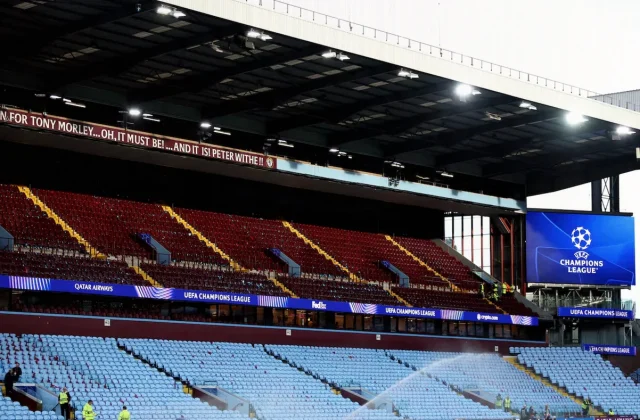
Wednesday’s Champions League meeting between Betis and Porto at La Cartuja carries an Iberian echo far older than the modern competition. The clubs were the participants in the first Supercopa Ibérica, played in 1935 between the league champions of Spain and Portugal, when Porto claimed a 4-2 victory.
That contest was intended as a meeting of the two neighbouring football nations’ champions, although the competition never settled into an official, permanent format. It returned only sporadically and later became a summer event agreed between clubs, at times involving more teams and no longer requiring participants to have won their domestic leagues.
Nearly half a century after the Betis-Porto match, Athletic and Benfica contested a second edition in 1983. Both had arrived as national champions, but Benfica won the tie and the proposed annual Iberian showpiece again disappeared. There has been no subsequent edition involving Spain’s and Portugal’s league winners in that original form.
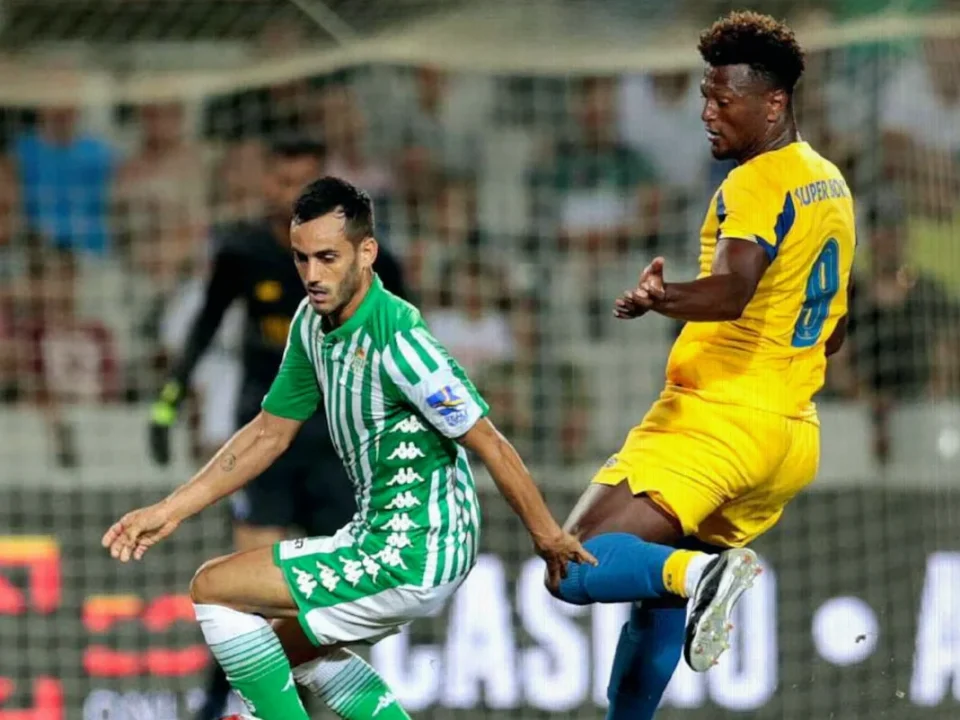
There have, however, been later summer tournaments under the Copa Ibérica name. Betis and Porto met again in a 2019 semi-final, with the Portuguese side prevailing on penalties. That result offers a more recent, if less formal, reference point before their Champions League reunion.
An unfinished Iberian idea
Porto president André Villas-Boas revived the wider discussion a year ago, arguing for a competition that could give the old concept a proper future. His proposal was for four participants: the league and cup winners from Spain and Portugal.
Villas-Boas said the idea had been received positively, including in principle by clubs such as Real Madrid, Barcelona and Atlético de Madrid. Speaking at the Portugal Football Summit in Lisbon, he pointed to cross-border leagues elsewhere and argued that football was moving in that direction.
For now, the issue is not a new Iberian trophy but a Champions League night with consequences for both sides’ European weeks. Betis are seeking to establish themselves among the leading group in Spain, even if ambitions beyond that remain difficult to imagine. Porto, meanwhile, have returned to the summit in Portugal after several seasons in which rivals took over. Both arrive in Seville in confident mood, with their shared history adding another layer to a second-matchday contest.