The Ligue 1 lights go down after only five matchdays, but the work does not stop. While internationals leave for their national teams from Monday, Bruno Genesio sees the unusual three-week window as a chance to reset Marseille’s season and sharpen players away from the spotlight.
The move
Marseille have collected just three points before Sunday’s home meeting with Paris Saint-Germain, leaving Genesio with a long pause that he believes could be useful despite his dislike of such a lengthy interruption.
He expects to have 13 players available at the training ground while others are on international duty. The plan is to give the remaining group time off before addressing individual shortcomings, extending beyond fitness work.
“We will use this period,” Genesio said. “There will be rest, then individual work on what needs improving, not only physical areas. It may feel long because we want matches coming regularly, but it can help our players develop.”
The league will not resume until the weekend of 9 October. For clubs, this first extended September-October international window introduced by FIFA presents a balancing act: protect those who remain, monitor those travelling, and ensure both groups are ready for the sixth round of Ligue 1 fixtures.
The French season around it
Most Ligue 1 squads returned to training in late June and have had little meaningful downtime across roughly 12 weeks. Franck Haise, Rennes’ coach, believes a break of five or six days is warranted before the team build again towards Christmas, another period expected to run for about 12 weeks.
Clubs have prepared their programmes with performance staff, but their situations vary sharply. Some international players will accumulate heavy minutes; others may barely feature. At the same time, teams staying at home include regular starters, late arrivals still needing conditioning, injured players and members outside the immediate plans of their coaches.
Nice coach Olivier Pantaloni said the pause can help players who joined late or returned late to the group reach the required level. The problem, he added, is the scale of international call-ups: Nice’s working squad could be made up almost half of elite-group players.
- Franck Haise: Rennes will begin with a short rest period before returning to work.
- Olivier Pantaloni: Nice will use the time to bring late-returning players up to speed.
- Paulo Fonseca: Lyon may have only five or six senior players available.
- Luis Enrique: Paris Saint-Germain are considering a friendly before facing Le Havre.
- Davide Ancelotti: Lille are also considering a warm-up match.
- Bruno Genesio: Marseille will combine recovery with individual development work.
Friendlies, reserve teams and thin groups
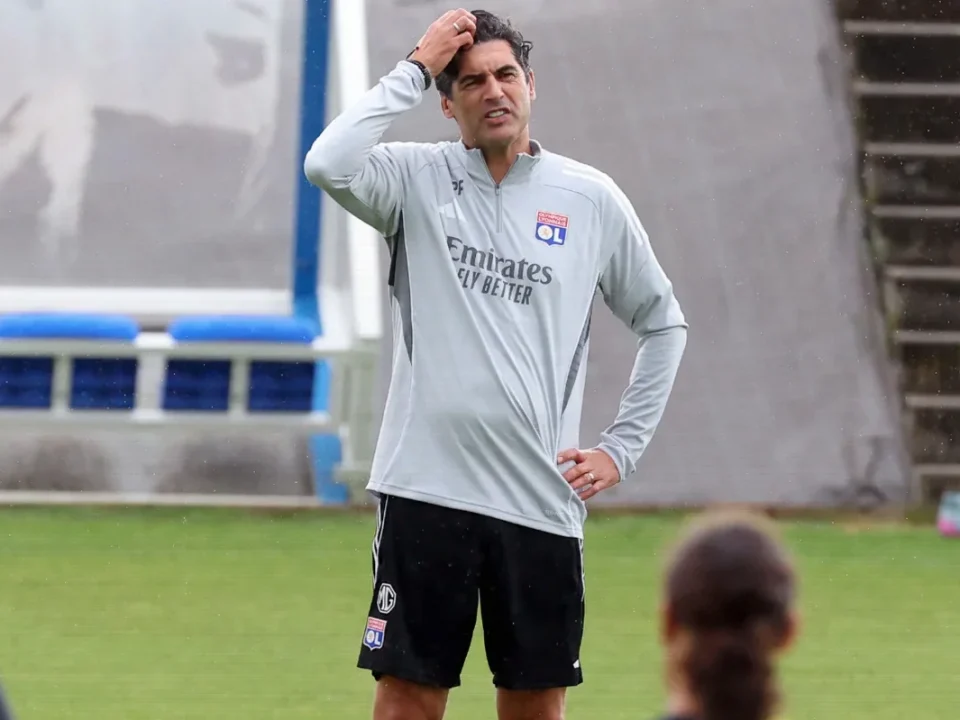
Lyon’s situation is particularly stark. Paulo Fonseca has calculated that only five or perhaps six players will remain under his supervision. He joked that they could “play cards”, while explaining that individual sessions will be required because the reserve side also have fixtures.
Lyon will not stage a friendly during the break, as the available players will be needed by the reserve team. Other clubs are taking a different route. Le Mans are scheduled to meet Nantes next weekend, while some sides are likely to organise internal opposition games.
PSG are weighing up a friendly ahead of their return against Le Havre, with Lille also looking at that possibility under Davide Ancelotti. Luis Enrique described the schedule as unusual but said it must be accepted. He is relieved that many PSG players will remain in Paris, allowing tailored programmes at home and on the training pitch before returning internationals are reintegrated.
The Spanish coach said the objective is to have the group familiar with the preparation and physically ready once the travelling players come back.
International demands continue
For the 23 players selected by Zinédine Zidane, there will be no slowdown. Their schedule includes Turkey on 25 September, Belgium on 28 September, Italy on 2 October and another meeting with Belgium on 2 October.
It is a packed sequence compared with the quieter club calendar, but the respite will be brief for every side once domestic football returns. Teams involved in European competitions in particular will have little room for recovery after the break, making these three weeks an important period of individual management rather than a holiday.