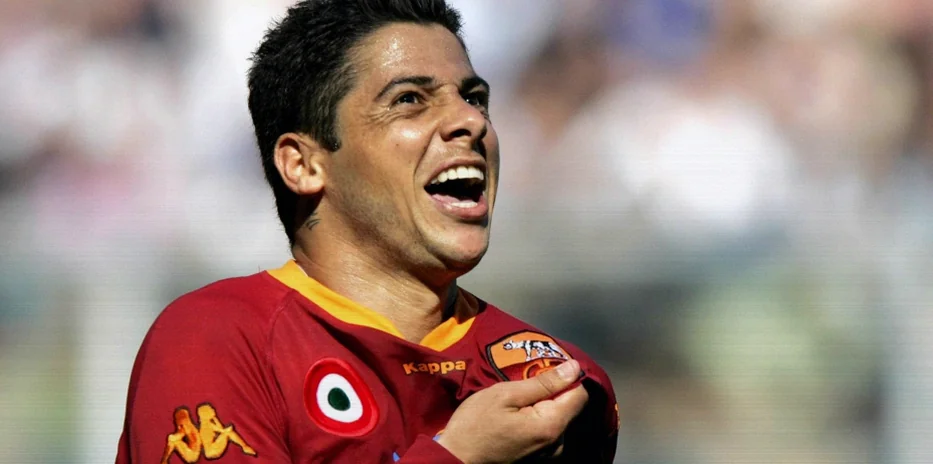
Cicinho’s years in Rome did not unfold as the capital had imagined when thousands gathered at Fiumicino for his arrival in 2007. The Brazilian full-back had come from Real Madrid with a major reputation, but his time in Serie A became a far more personal story: one of uneven football, two loans, depression, alcoholism and, eventually, recovery.
Now a television commentator in Brazil, Cicinho says he has rebuilt his life in São Paulo. He lives there with his wife Marry and their children, appreciates ordinary family life and says therapy helped him overcome the illnesses that shaped much of his career.
Quick facts
- Cicinho played for Real Madrid from 2005 to 2007 before joining Roma.
- His Roma spell included loan moves to Villarreal and São Paulo.
- He says depression and alcoholism had affected him since his youth.
- He credits his wife, therapy and support from figures including Bruno Conti.
- He still follows Roma and believes the club are in one of their strongest periods for years.
He described depression as a condition too often underestimated. In Rome, he said, Marry helped him recognise the seriousness of his alcohol addiction, which he linked directly to his mental health.
“I would stay at home and drink, then go out and drink,” he said. “I did not stop to ask whether it was right or wrong.” He recalled being drawn to luxury cars, parties and constant excitement, adding that alcohol had been part of his life from the age of 13.
The former Brazil international believes those habits damaged his football career. Yet he says he is now well, happy and healed, with therapy changing his understanding of what matters beyond the game.
That context also frames his regret over Roma. Cicinho said he remains grateful for the affection shown by supporters, particularly the airport welcome, and wishes he could have offered more on the pitch. He feels the reasons for his inconsistent performances are now clearer to those who followed his time at the club.
Bruno Conti is among the figures he remembers warmly. Cicinho said the former Roma player and executive tried to help him find a better path, while the Brazilian continues to support the Giallorossi from afar.
A career between expectation and reality
Before Rome, Cicinho had emerged at São Paulo and established himself with Brazil. His two seasons at Real Madrid placed him alongside Ronaldo, Roberto Carlos, Robinho and Marcelo, but competition for places was intense at the Bernabéu.
He had arrived in Spain carrying comparisons with Michel Salgado and, later in Italy, Cafu. His own assessment is simpler: he remained Cicinho, with his strengths, flaws and a career that did not entirely match the expectations surrounding him.
Even so, he does not dismiss what he achieved. Raised in a modest family in a small inland town, he played barefoot as a child and tried to copy Raí, Cafu and Cerezo. The street game taught him to chase every ball and keep fighting for the next step.
That route took him to his boyhood club São Paulo, then into Brazil’s starting side, before spells at Real Madrid and Roma. “It did not turn out badly,” he said, while accepting that the roads a player chooses can define the person he becomes.
Roma, Real Madrid and a return to Europe’s stage
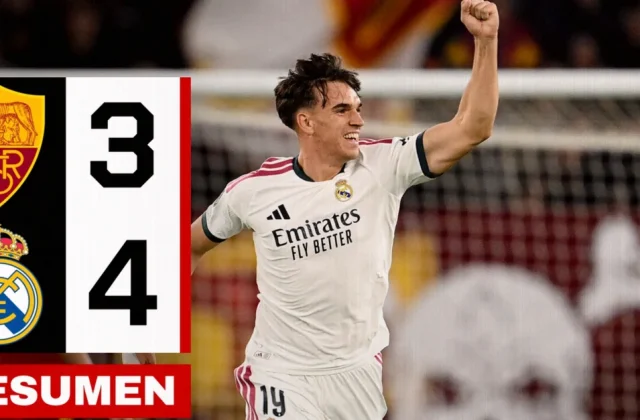
Looking ahead to Roma’s meeting with Real Madrid, Cicinho sees the Spanish side as favourites in the Champions League, describing the competition as the trophy they live to win. But he believes Roma should approach the match with confidence after a period of stability he considers the club’s best in many years.
He said Roma have not played this well since Luciano Spalletti’s first spell in charge. His view is that they should preserve their identity while limiting the space given away, as they did at Como.
Cicinho also warned that a collection of star names does not automatically make a functioning side. He believes Real can become overly dependent on individual play, and argued that successful teams require all 11 players to follow the same plan.
Asked whether today’s Madrid are stronger than the team he knew, he pointed to the calibre of his former colleagues: Ronaldo, David Beckham, Roberto Carlos, Iker Casillas, Sergio Ramos, Gonzalo Higuaín and Robinho. The answer, in effect, needed little elaboration.
José Mourinho, another figure with links to both clubs, should receive a warm welcome in Cicinho’s view. He praised Mourinho’s ability to bring players, media and supporters into his message, and noted that many Roma fans did not want the Portuguese coach to leave.
Gasperini’s Roma and the next Brazilian generation
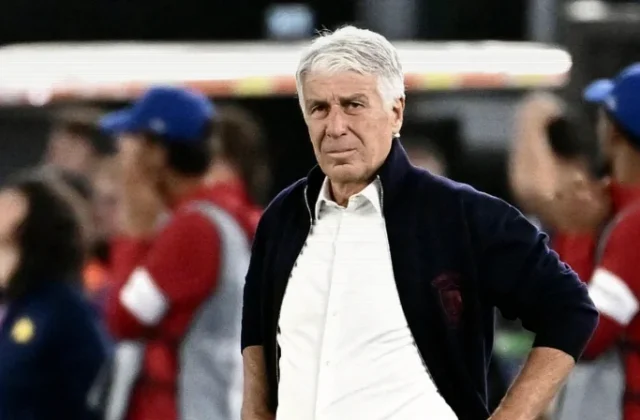
Cicinho also spoke enthusiastically about Gian Piero Gasperini, calling him among Europe’s leading coaches. He said he would have enjoyed working under the Italian, particularly because of the responsibility given to wide players.
He pointed to Wesley, Molina and Lulli as examples of players asked to help begin the press in the opposition half and attack space in behind. In another era, Cicinho said with a smile, that system would have suited him perfectly.
For Wesley, he sees considerable room for growth. The young Brazilian, he said, has the street-football instinct to compete for every ball and possesses the flexibility to operate on either flank. Cicinho believes he can become one of the best in his position.
His advice to Endrick was equally direct: join Roma. Cicinho feels the Real Madrid forward needs regular football and would be an excellent fit for Gasperini, while suggesting Madrid should consider such a move because of Endrick’s limited opportunities.
On Roma’s number 10 shirt, he believes Paulo Dybala could wear it. Francesco Totti, he said, cannot be replicated: he was not only an exceptional player but the embodiment of what Roma supporters wanted their captain to be.
Cicinho recalled that goalkeeper Doni persuaded him to join Roma in 2007 by putting Totti on a video call. For him, the choice is clear: either retire the shirt or entrust it to a player such as Dybala, whose decision to remain in Rome despite lucrative offers from Saudi Arabia has strengthened his bond with the club.