Italian football’s institutional dispute has reached its most delicate morning, with a meeting called in an attempt to prevent the CONI Council from splitting over the possible appointment of a commissioner for the FIGC.
The decision
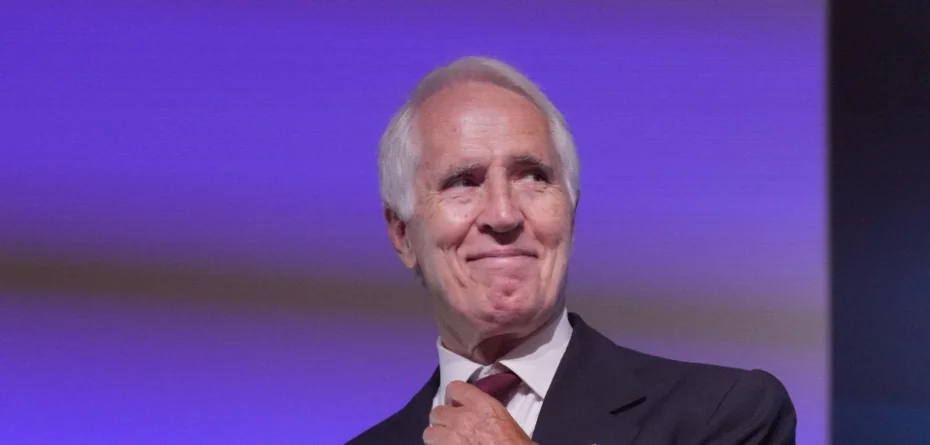
CONI president Luciano Buonfiglio contacted Giovanni Malagò and asked him to attend a meeting scheduled shortly before the final ruling on the FIGC’s future. The purpose is to explore a solution that can avoid a damaging division within the Council over the proposed intervention in the federation.
The move suggests that support for placing the FIGC under commissioner control may not be as secure as initially expected ahead of the vote. Buonfiglio and Malagò are due to discuss the matter in depth, with the central concern being how to preserve unity in the governing body while addressing the issue that led to the request for action.
One option under consideration would see Malagò himself take the commissioner’s role. He has been affected by what is described as an alleged FIGC error connected to his registration at the time of his candidacy for the presidency.
The sharpest argument in recent hours has concerned eligibility to vote on the measure. There are 16 members entitled to take part in the CONI Council, but the organisation’s statute permits a vote only from those without a conflict of interest.
A further issue has emerged around Marco Buonfiglio, the son of the CONI president. Venezia have confirmed that, since the beginning of the season, he has worked for Elevate, an international sport and entertainment agency that is involved in projects directly concerning the Venetian club.
That role comes alongside his work in the Kings League, the competition created by Gerard Piqué. Marco Buonfiglio may recently have left that position because of his Elevate commitments, although his LinkedIn profile still listed him as commercial director of the tournament as recently as the previous day.
With the final decision approaching, the debate is therefore not limited to whether the FIGC should be placed under a commissioner. It also concerns who can legitimately take part in a vote that may shape the federation’s next chapter.