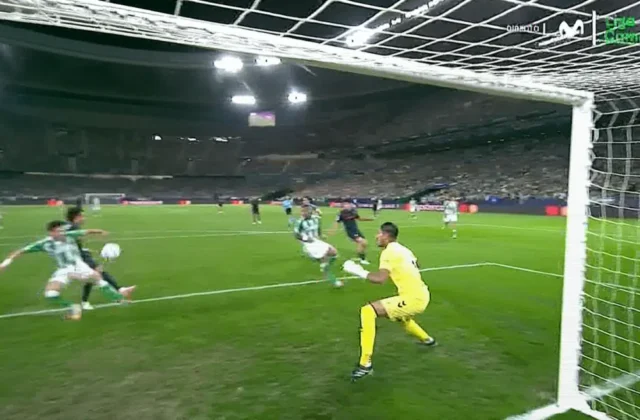
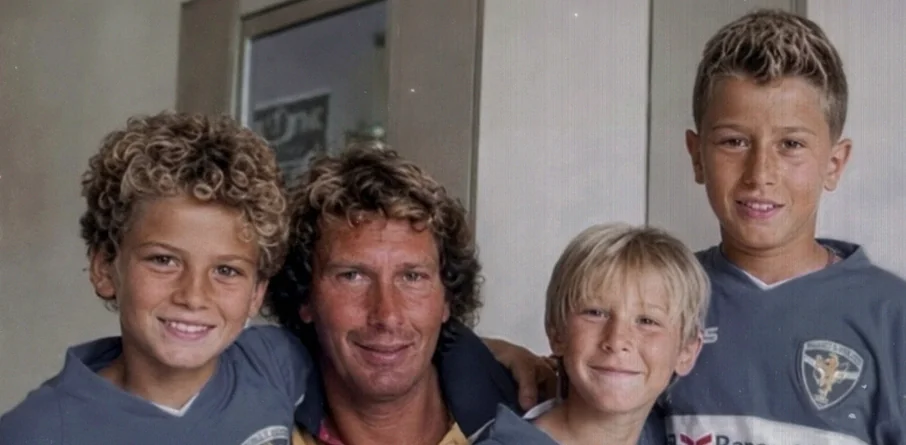
At Voluntas, on the outskirts of Brescia’s football map, the Esposito brothers are no longer only the names on signed shirts and photographs. Sebastiano, Salvatore and Pio became the academy’s sole owners last November, returning to the club where their own journey began and giving a local youth set-up an unusually direct link to the highest levels of Italian football.
Key takeaways
- Sebastiano and Pio Esposito have recently represented Italy, while all three brothers now jointly own Voluntas.
- Pio, an Inter forward, spent part of his summer working with children at the annual Camp Esposito rather than taking a complete break.
- Voluntas has no senior side and focuses on player development, with around 10 youngsters moving into professional environments each year.
- Agostino Esposito is president of the club, which runs 10 teams from the youngest age groups through to Under-17 level.
- Former Serie A players Marco Zambelli and Sebastien De Maio are also involved in the academy structure.
A family return to the first pitch
The Voluntas training ground is built around the brothers’ story. Shirts, trophies, old images and keepsakes trace the route from the small-sided games they played as children to their recent international appearances. Before professional football arrived, they played wherever space allowed: on local pitches and in the family courtyard, until evening or their mother Flavia called time.
Roberto Clerici, the scout credited with identifying the brothers and taking them to Brescia, remains a central figure in that history. Clerici, who also discovered Andrea Pirlo among many others, helped open the first serious door for Sebastiano, Salvatore and Pio.
Their attachment to Voluntas has remained visible throughout their careers. Each signed dedication displayed at the centre refers to the club as their family. Pio also brought back a cardboard display celebrating Inter’s Scudetto triumph, which has been placed in a room alongside the brothers’ shirts.
In mid-June, during the summer camp organised by the family, Pio took a coaching role on the grass. He worked with the youngsters on holding up the ball before turning to finishing drills, offering the sort of practical instruction that carries particular weight when it comes from a player they have watched at the top level.
The involvement is shared. Salvatore has returned from matches late at night and still appeared the following morning to practise free-kicks with the children. During pre-season periods, he has also taken an interest in practical matters such as kit deliveries and the start of sessions. Sebastiano is a regular visitor too, especially now that he plays in Reggio Emilia, within manageable driving distance of Brescia. Salvatore also handles calls with coaches and club officials.
There have been notable visitors as well. Careca, the former Napoli forward and Diego Maradona’s old strike partner, joined the brothers at the summer camps. He holds a special place in the family’s football memory as Agostino Esposito’s childhood idol.
Development before results
Voluntas is not built around a first team or a chase for senior results. Its task is to prepare boys for the next stage, and roughly 10 players each year are sent into professional clubs or structures. The Espositos’ own progression offers a powerful reference point, but the club’s priority remains the education of young footballers rather than the promise that every child will follow the same route.
Agostino, whose own playing career reached Napoli’s Primavera side and Serie C, leads the club as president. His sons’ return has also fulfilled a personal ambition: the place that helped shape them is now in the hands of the family.
The staff combines familiar names from Brescia football with the academy’s established methods. Marco Zambelli is sporting director, while the Under-15 side has recently been entrusted to Sebastien De Maio. The former defender played in Serie A for Brescia, Genoa, Fiorentina, Bologna and Udinese, and he and Zambelli were once team-mates in the division.
The footballing principles still reflect Clerici’s approach: demanding training, constant work with the ball and attention to individual technique. A board in the changing room sets out the daily themes: possession, one-versus-one situations, first touch, firm passing, the flight of high balls and the emotional energy a coach brings to the session.
That is the framework from which the Esposito brothers emerged. For the children now training beneath the photographs and trophies, Voluntas offers both a working method and a reminder that a route from Brescia’s youth pitches to Italy can begin close to home.