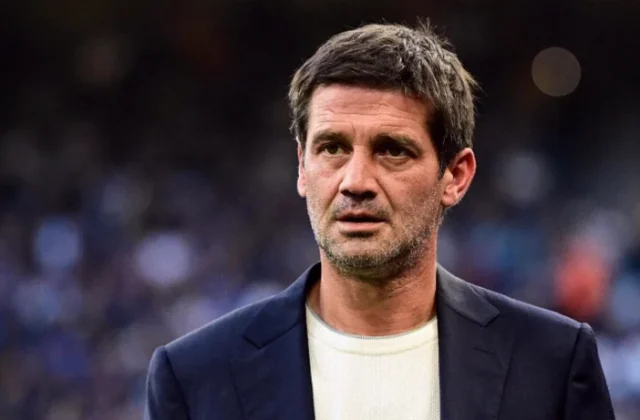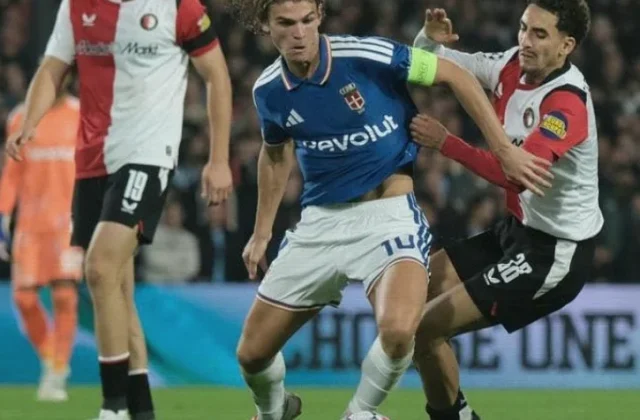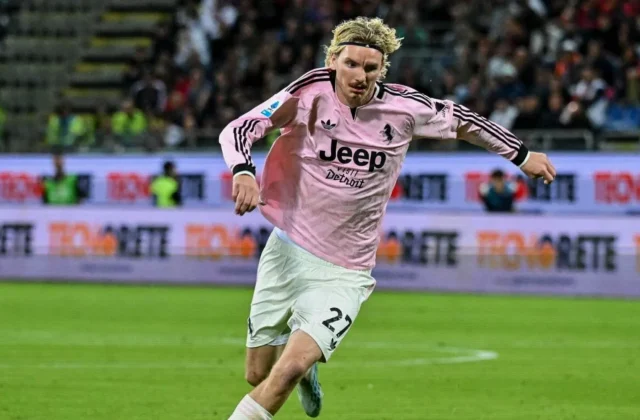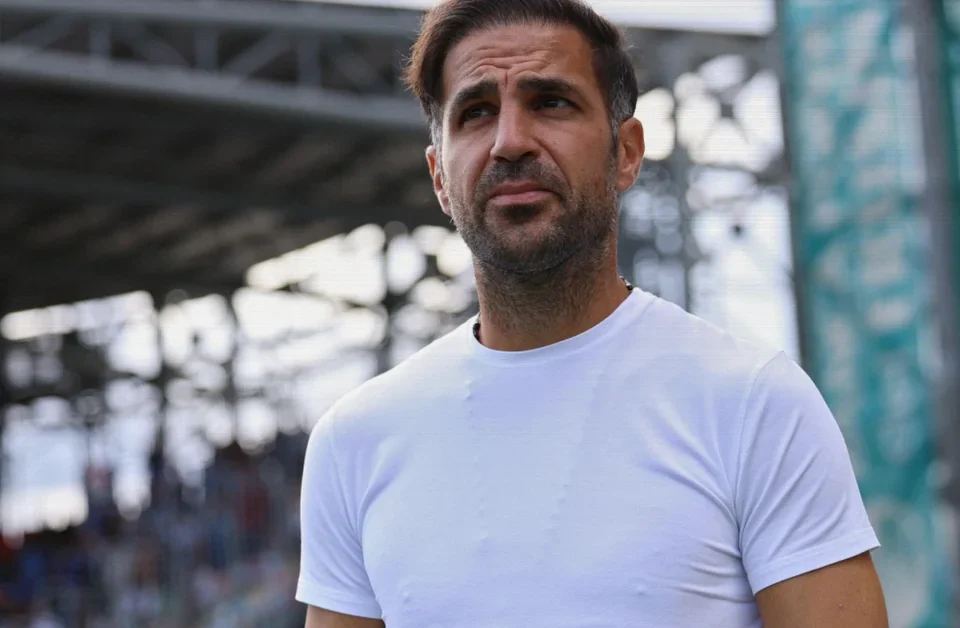
Como’s second Champions League match ended in a 3-2 defeat at Feyenoord, but Cesc Fabregas refused to place the blame on his players after a demanding night in Rotterdam. The Italian side found goals of their own at De Kuip, yet were unable to contain a Feyenoord team driven on by a fierce home crowd.
Quick facts
- Feyenoord defeated Como 3-2 at De Kuip.
- Diao scored for Como but was injured shortly afterwards.
- Fabregas said Como were playing only their second Champions League fixture in the club’s history.
- Como return to Serie A action away to Fiorentina.
Fabregas took full responsibility in his post-match assessment. “Blame me, not the boys,” he said, protecting a squad that did not reproduce the level shown in its opening home match against Leipzig.
The Como coach explained his decision to use Nico Paz in a more advanced role. He believed it offered the right route to hurt Feyenoord, with the move contributing to Como’s first goal.
There was frustration, however, because the plan had been designed in particular for Diao. The scorer was forced off through injury soon after finding the net, depriving Como of a key attacking outlet.
De Kuip was another decisive element. Fabregas, drawing on 18 years as a player and more than 110 Champions League appearances, said European stadiums can give the home side an extra lift.
He told his players not to let the occasion weigh them down. Such defeats, he said, are part of the education required at this level and should be used to develop rather than regret.
Fabregas would not single out individuals after mistakes and a drop in intensity after the interval. Como conceded the 2-1 goal during what he felt was their strongest spell, while even at 3-1 down they continued to grow into the contest and struck again late on.
Jesus Rodriguez was the young player most directly affected by the result, having lost possession twice in moves that led to Feyenoord goals. Fabregas insisted the Spaniard must be allowed to experience the harsh side of elite European football.
“This is the Champions League,” Fabregas said. “He has to go through it himself, lose and learn, so it does not happen next time. Everyone develops differently: for some it takes two or three months, for others two or three years.”
The Como coach also recognised the quality of Giovanni van Bronckhorst’s Feyenoord. He described the Dutch side as strong, well organised and accustomed to controlling matches and winning them, a habit that can carry a team through even when it is not clearly superior on paper.
Musa, Feyenoord’s leading figure on the night, earned particular praise. Fabregas called him a player from another level and admitted Como do not yet possess players capable of making that kind of individual difference in this competition.
For all the disappointment in Rotterdam, Fabregas placed the campaign in its wider context. Three years ago, when he began his work at Como, the club were sixth in Serie B; now they are navigating a second Champions League match in their history.
Serie A remains the central objective, he stressed, while the Champions League is a reward for the journey already made. Como must now recover quickly for their trip to Florence, with Fabregas calling for calm heads before the visit to Fiorentina.