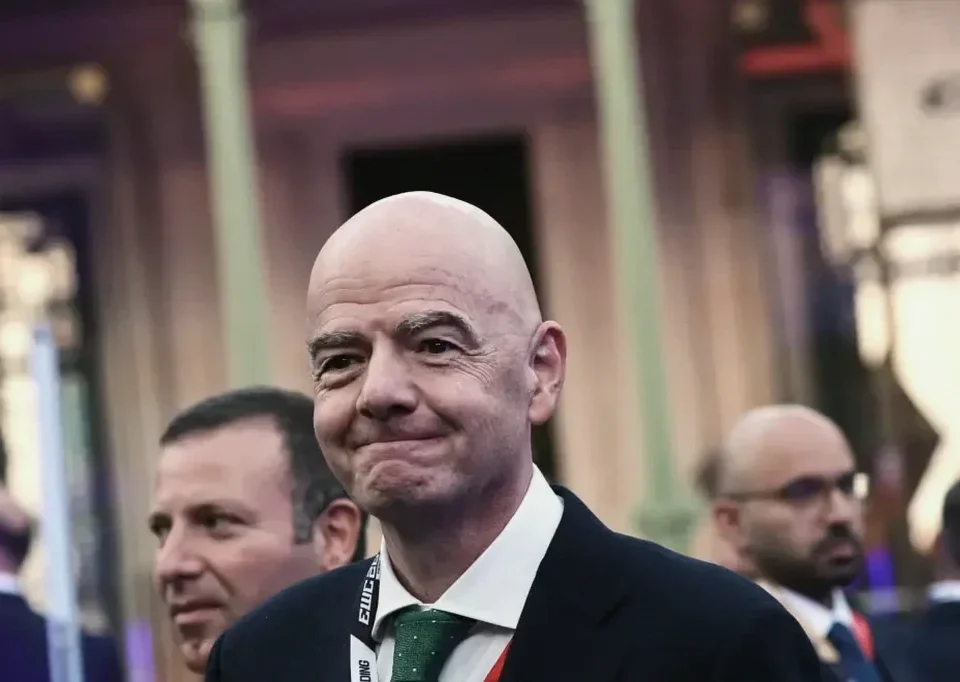
In the corridors of FIFA, where the next World Cup cycle is already shaping alliances from Zurich to Rabat, Gianni Infantino is facing a sharper political chill. The proposed privatisation of FIFA competitions has failed to win the backing needed from the confederations, and the collapse of that plan has left the president under renewed scrutiny before any future re-election campaign.
Switzerland, Infantino’s home country and the seat of world football’s governing body, has become one of the most significant voices to distance itself from him. Peter Knäbel, president of the Swiss Football Association, said the federation was carrying out a “thorough reassessment of the events of recent months”.
The Swiss position goes beyond disagreement over commercial strategy. Its federation said FIFA must meet the highest expectations of openness, accountability and institutional responsibility, signalling concern that those standards have not been sufficiently upheld. It also stressed that credibility, transparency, accountability and the meaningful involvement of the bodies empowered by FIFA’s statutes are essential if confidence in the organisation’s leadership is to be maintained.
Commercial plan and World Cup concerns
The central dispute has been Infantino’s unsuccessful effort to transfer commercial rights connected to FIFA competitions to private investors. A majority of the confederations opposed the idea, preventing it from advancing and weakening the president’s standing among national associations.
His position has also been affected by controversy surrounding Folarin Balogun, the United States forward, during the World Cup. Balogun’s punishment was withdrawn, with reports claiming that Infantino had come under pressure from Donald Trump and intervened before the United States’ match against Belgium. The episode prompted questions about whether the competition had been administered independently.
For Infantino, the resistance is no longer confined to an argument over how football’s global tournaments should be financed. It has reached Switzerland itself, where the call is now for clearer safeguards around decision-making and for FIFA’s governing structures to play their full part in protecting the game’s institutional trust.