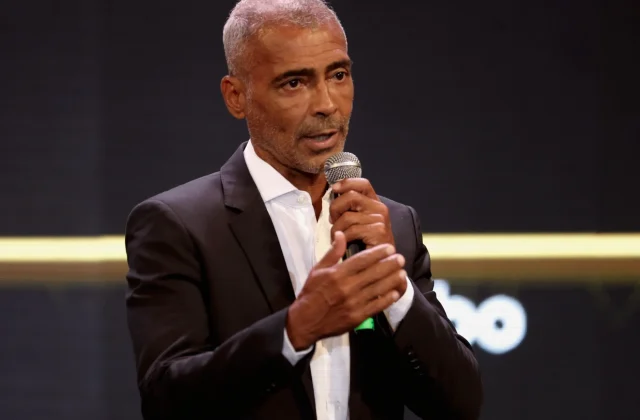
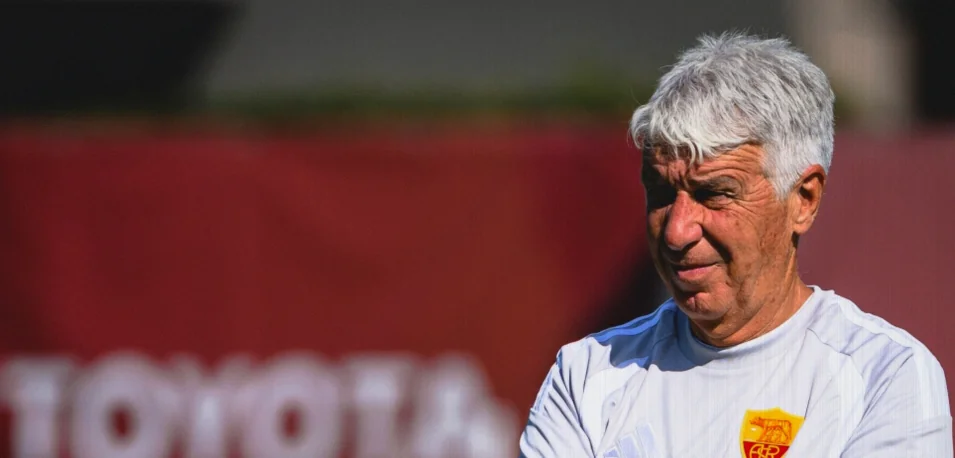
Gian Piero Gasperini stands one Serie A victory away from a landmark that places a coach among the enduring figures of the Italian game. Roma’s trip to Como on Sunday could bring his 300th league win, although the threshold may instead arrive a few days later. It would make Gasperini the fifth manager to reach the mark, joining a group led by Giovanni Trapattoni and populated by coaches whose work has shaped decades of the championship.
Gasperini’s road to 300
The 299 wins accumulated by Gasperini tell the story of a career built across several benches, with Atalanta providing the central chapter. His long spell in Bergamo accounts for 157 Serie A victories, the largest contribution to a total that also reflects significant periods at Genoa and, now, Roma.
- Atalanta: 157 Serie A wins.
- Genoa: 88 wins.
- Roma: 48 wins so far.
- Crotone: 3 wins.
- Palermo: 3 wins.
- Inter: no Serie A win during his brief and difficult time in charge.
Reaching 300 would not merely be a numerical footnote. It would put Gasperini within three victories of Nereo Rocco, whose total of 302 has stood as one of the major benchmarks for coaches in Italy’s top division. With Roma still carrying their season forward, Gasperini has a realistic chance to move further up the all-time list.
Rocco and Spalletti, two different Serie A journeys
Rocco occupies fourth place on 302 victories, a total assembled through a career that began with the club closest to his origins and reached its greatest heights at Milan. Known as “El Paron”, he won two Scudetti with the Rossoneri and collected 141 league victories there across three separate spells: 1961-64, 1967-74 and 1975-77.
His record was also built through influential work elsewhere. Rocco claimed 49 Serie A wins with Torino, 35 with Triestina, six with Fiorentina and 71 with Padova. His time with Triestina included the famous second-place finish of 1948, while the Padova years remain one of the game’s most celebrated provincial stories.
Luciano Spalletti sits above him on 306 league wins. Juventus’ current coach has drawn most heavily from two clubs: Roma, where he recorded 128 victories across his longest Serie A association, and Napoli, where he has 52. His 51 successes at Udinese include the campaign that took the Friulani into the Champions League in 2005.
- Roma: 128 wins.
- Napoli: 52 wins.
- Udinese: 51 wins.
- Inter: 40 wins.
- Juventus: 21 wins to date.
- Empoli: 10 wins.
- Sampdoria: 9 wins.
- Venezia: 1 win.
Allegri chases Trapattoni’s summit
Massimiliano Allegri is the highest-ranked coach still working, holding second place with 324 Serie A victories. Napoli’s current manager has taken 202 of them with Juventus, the club that defines the largest part of his league record.
His rise into the highest level of the Italian game began at Milan, where he won the Scudetto in his first season and collected 74 Serie A victories in his initial spell. A subsequent return to the Rossoneri added another 20 league wins. Before those major appointments, he laid his foundations with 26 victories at Cagliari, while the opening stages of his career and his early Napoli results complete the wider picture behind his current total.
For now, however, Trapattoni remains beyond everyone else. His 352 Serie A wins make him the undisputed leader of the ranking, with Juventus responsible for 213 of them across two distinct cycles. That remains the club record for a Juventus coach, and it came alongside six Scudetti.
- Juventus: 213 wins and six league titles.
- Inter: 87 wins, including the historic 1988-89 “Inter dei Record” season.
- Fiorentina: 29 wins.
- Milan: 16 wins.
- Cagliari: 7 wins.
Trapattoni’s Inter side of 1988-89 dominated an 18-team championship and set a celebrated points record. Gasperini is not yet in that territory, but 300 wins would secure his entry into a small managerial company: a recognition of longevity, reinvention and the ability to keep winning through changing generations of Serie A.