In Oslo, a familiar Portugal shirt stayed folded on the bench while a different kind of forward line ran the night. Jorge Jesus’s 2-1 win over Norway offered the clearest early sign that Cristiano Ronaldo’s place, once untouchable, is now part of a wider tactical question.
The 72-year-old coach, appointed to lead Portugal with 25 trophies already on his record, left his captain unused on Sunday. Three days earlier, Ronaldo had been withdrawn in the 67th minute of the 1-0 victory over Wales as Jesus sought fresher players capable of pressing.
Quick facts
- Portugal beat Norway 2-1 in Oslo after defeating Wales 1-0.
- Cristiano Ronaldo, 41, remained on the bench throughout the Norway match.
- Portugal had only 38% possession but restricted Norway’s open-play threat.
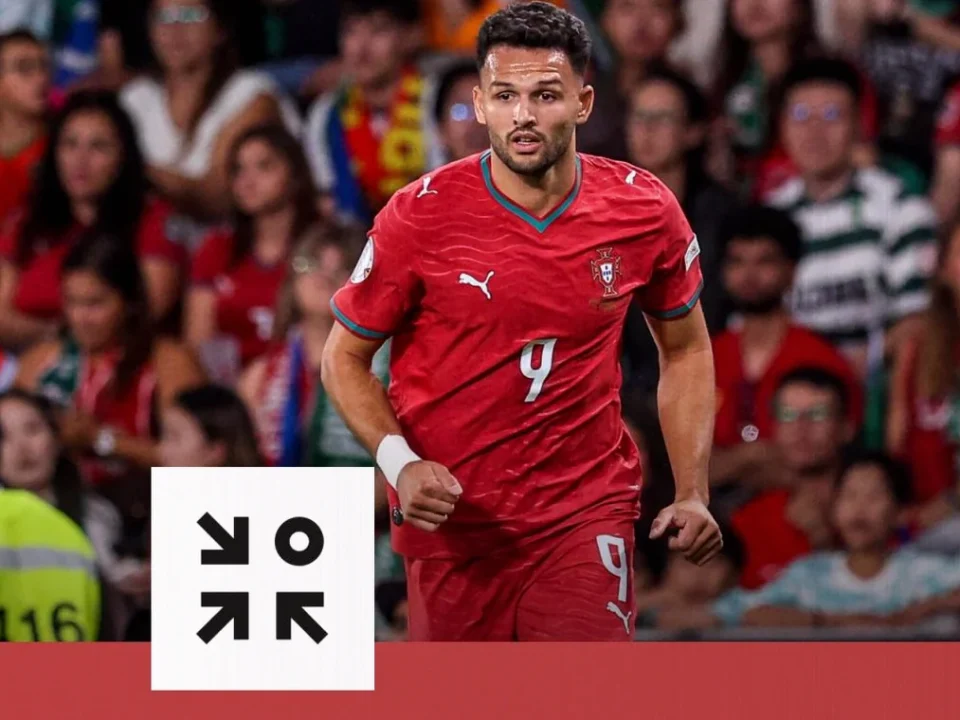
- Gonçalo Ramos scored in the 54th minute after winning the ball high up the pitch.
- Portugal face Denmark on Thursday at 20:45, with Ronaldo described as a possible starter.
Jesus said his selection would vary from game to game and insisted he had to pick the strongest side for his plan. He explained that Ronaldo’s omission followed a change in his ideas, rather than a simple judgement on the forward’s standing.
Still, the decision has sharpened uncertainty around Ronaldo’s international future. He did not train on Tuesday, although Jesus said the Portugal captain could be among his first choices against Denmark.
Ronaldo’s numbers remain formidable. He has scored 146 goals for Portugal and recorded 13 in 16 international appearances between Euro 2024 and the 2026 World Cup, while against Wales he produced seven shots worth 1.03 expected goals.
But the five-time Ballon d’Or winner is now 41, and his profile sits less naturally within a game based on speed, movement and aggressive work without the ball. His influence remains significant among team-mates, coaches and supporters, making the transition complicated even if the direction of travel is becoming clearer.
Ramos makes the case for a faster front line
Portugal also began without Vitinha, while Bruno Fernandes was unavailable. João Félix and former Paris Saint-Germain striker Gonçalo Ramos started together, with Francisco Conceição, Pedro Neto and João Neves helping form an energetic pressing structure.
Portugal allowed Norway possession but disrupted their routes through the middle, restricting opportunities for Martin Ødegaard and repeatedly forcing goalkeeper Orjan Nyland to go long. Erling Haaland’s side mainly threatened from set pieces and equalised after a free kick.
The defensive figures nevertheless left room for caution. Norway accumulated 2.52 expected goals overall, although just 0.98 came from open play, underlining both the effectiveness of Portugal’s pressing and the work still required to improve their balance.
Ramos supplied the defining burst of the match. In the 54th minute, he intercepted the ball and lifted a finish over Nyland to put Portugal ahead.
Three minutes later, he recovered possession near the right touchline and helped create an opportunity finished by Rafael Leão against the crossbar. Ramos then raced through again in the 58th minute to force another Nyland error, only for his second goal to be ruled out for a narrow offside.
He touched the ball only 28 times, with two touches in Norway’s penalty area, but his contribution extended far beyond those numbers. His effort after coming on against Wales had already impressed; in Oslo, his pressing and opportunism gave Jesus a practical argument for keeping the same centre-forward.
“Football tells you certain things,” Jesus said, arguing that the match did not warrant changing his striker. Portugal have only played two games under their new coach, but the outline of a new identity is visible: less dependence on one star, more demand for running, pressure and collective mobility.
Ronaldo remains in the equation, and Thursday in Denmark could bring another turn. Yet Portugal’s change has begun, with Ramos’s four-minute surge in Norway offering its most vivid early image.