Juventus are giving their Next Gen project a sharper role in the club’s present, not simply its future. Injuries and delayed returns after the World Cup have opened space around Luciano Spalletti’s senior squad, but the response has not been a rush to promote every promising youngster. Instead, the club are trying to balance first-team exposure with the harder weekly education of Serie C.
The decision
The strategy is visible in the way Juventus are handling a group that has become central to Massimo Brambilla’s Next Gen side. Around 40 per cent of his squad came from last season’s Primavera team, while more than half of the players used in the opening Serie C fixtures were making their first appearances in professional football.
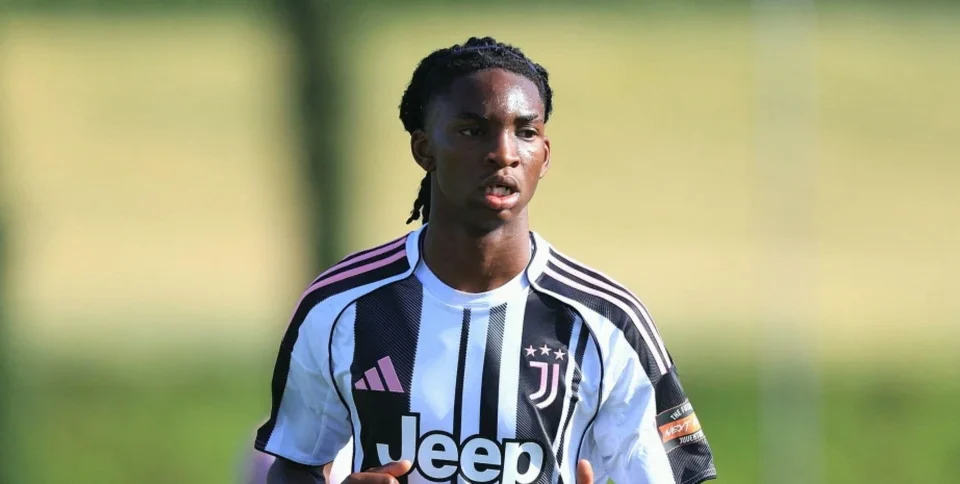
Some have already received a glimpse of the higher level. Owusu made his Europa League debut under Spalletti, becoming the first Next Gen player to debut for the senior team in two years; Pugno had been the previous case. Elimoghale, born in 2009, has also been included in a first-team matchday group, an early sign of the esteem in which he is held.
Owusu has been retained to add depth to the senior squad, meaning opportunities in Brambilla’s midfield may increasingly fall to Mazur. The Polish 2007-born midfielder is regarded as a long-term investment, combining physical presence with vision and a maturity that belies his age. Juventus moved early for him despite interest from leading European clubs, and he has become one of the reliable figures in the Next Gen team.
Radu, also born in 2007, has started the season as Brambilla’s first-choice goalkeeper. His only absence came when he was called into the senior group for Juventus’ match against Atalanta. Grabara’s injury brought renewed attention to Radu and prompted some supporters to argue for another accelerated promotion, but Juventus’ preferred route is for him to complete a full Serie C season as a regular.
That path has already been carefully built. Radu first featured for the Primavera in January 2024, gained experience around the senior squad during pre-season and took part in the August family friendly. The club see his development as part of an internal goalkeeping tradition that has previously produced figures such as Emil Audero and Giovanni Daffara.
Makiobo is another player being watched closely after a difficult start in Turin. The former Club Brugge youngster arrived at Juventus at 18 but soon dealt with a meniscus problem and then a collateral ligament injury. He answered Spalletti’s first call-up for the recent Atalanta game and is gradually recovering the qualities that first persuaded Juventus to sign him. This season may determine whether he can force his way into permanent first-team consideration.
The academy’s timing
Durmisi’s progress offers Juventus a different example of how they want the system to work. The 2008-born forward was still trying to secure meaningful Primavera minutes last season. Now he is playing regularly with the Next Gen and has entered the wider first-team picture. His improvement has been noted in physical terms, technical quality and the management of games, and Juventus believe professional matches can further accelerate that growth.
The club have not produced a major home-grown centre-forward for some time, which makes Durmisi’s development particularly significant. There is no suggestion that he should be hurried, however. The principle is to let consistency in training and matches establish the next step rather than allow expectation to set the schedule.
The same caution applies to Elimoghale. Juventus found the young forward on the outskirts of Turin and brought him in at a very early age, compensating the small club that had developed him with 100 footballs and other sporting equipment. At Vinovo, there is strong belief in his potential, including the sense that he could one day become an important player for Italy.
For now, though, his task remains development rather than status. Spalletti is monitoring him and may offer occasional openings, but the daily work is being left largely to the Next Gen staff. Juventus want Elimoghale, like Radu, Durmisi, Mazur and Makiobo, to meet each stage of the game on its own terms.
That is the wider meaning of the current shift. The first team has needed young players more often than expected, and the club have been willing to answer that need. Yet the Next Gen remains the place where a prospect can make mistakes, learn the rhythm of professional football and return to the senior environment better prepared for the moment when promotion is no longer temporary.