Juventus’ €250 million capital increase is set to shape more than the next transfer window. The club’s board has earmarked roughly 45-50% of the operation for strengthening its financial position during the current financial year and the following one, while the remaining resources are intended to support sporting competitiveness, improve key real-estate assets and develop the Juventus brand.
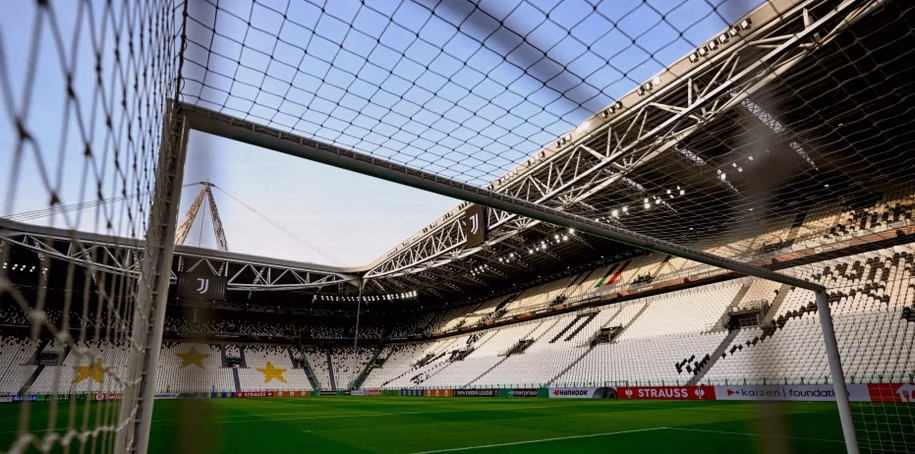
The Allianz Stadium stands at the centre of that wider plan. Juventus have long treated their home ground as a working part of the business rather than simply a matchday venue, and the next phase is more likely to refine that model than radically rebuild it.
A stadium built to generate revenue
Opened 15 years ago, the Allianz Stadium remains Italy’s most advanced club-owned venue and is already considered suitable for Euro 2032. It transformed Juventus’ matchday income from the outset, initially tripling stadium revenue before establishing a broader commercial operation that brought in more than €90 million last season.
That total is drawn from far more than tickets and season passes. Stadium tours, the museum, the megastore, naming-rights income and the hire of spaces for meetings and corporate events all contribute on non-matchdays.
Work completed in summer 2025 added 182 seats, including 80 premium places, and helped the club’s season-ticket campaign. Hospitality remains particularly valuable, producing annual revenue of about €8 million.
Concerts have also become part of the stadium calendar after structural changes made it possible to install stages. Ramazzotti and Ligabue were among the first artists to perform there this year. Those events generate almost €2 million in income, with Juventus benefiting from venue-rental proceeds without carrying the event costs.
Expansion put on hold
A rise in capacity from approximately 41,000 towards 50,000 has been examined, with architectural firms presenting proposals at Continassa. Juventus have nevertheless paused that option after concluding that an extension of between 5,000 and 10,000 seats would not offer a satisfactory return.
Construction costs have been increased by difficult market conditions and more expensive raw materials. The additional seats would also sit above the present upper tier and would likely need to be sold at lower prices, limiting the revenue available to recover the investment.
The club’s thinking follows a broader European trend. Arsenal recently decided against taking the Emirates Stadium from 60,000 to 80,000 seats, choosing instead to pursue gradual improvements to its existing ground.
For Juventus, smaller interventions appear the more realistic route. The focus is expected to be on the visitor experience and on areas with higher commercial value, particularly hospitality. The Allianz Stadium currently has seven exclusive hospitality areas, but further configurations could create additional places and improve the range of services.
One possibility is to offer an intermediate level between standard seating and the traditional premium product: supporters paying a modest increase could, for example, gain access to a dedicated bar. The aim is not only to serve those in the Agnelli stand, but to encourage more spectators to arrive earlier, remain longer and use the facilities around the match.
Continassa assets remain central to the plan
Juventus’ infrastructure portfolio distinguishes the club within Italian football. The club owns the principal properties connected to its operations: the stadium, which includes the museum, megastore and J Medical; its headquarters; the training centre; the creator lab; the hotel in the Continassa area; and the Vinovo sports centre.
The latest acquisition was the building housing the J Hotel, bought for €23 million. Juventus’ properties have a residual book value of €180 million, although their market value is estimated at two to three times that figure.
The management led by chief executive Giovanni Carnevali will assess a number of possible projects. A compact stadium for Juventus Next Gen and Juventus Women has been discussed for several years, with the intention of bringing both teams closer to Turin. They currently play in Alessandria and Biella, and three or four potential locations are being considered.
Such a project would not be judged primarily by ticketing returns. Instead, Juventus would weigh the location, construction cost and operational benefits, potentially accepting expenditure moderately higher than current rental payments in exchange for more efficient control of the teams’ activities.
A new venue for the Next Gen and Women sides does not appear to be the immediate priority. Investment is more likely to go first towards J Medical, which has been expanding strongly, as well as the museum and hotel. For Juventus, the capital increase therefore points to a familiar strategy: reinforce the football side, but keep building the infrastructure that supports the club beyond Sunday afternoon.