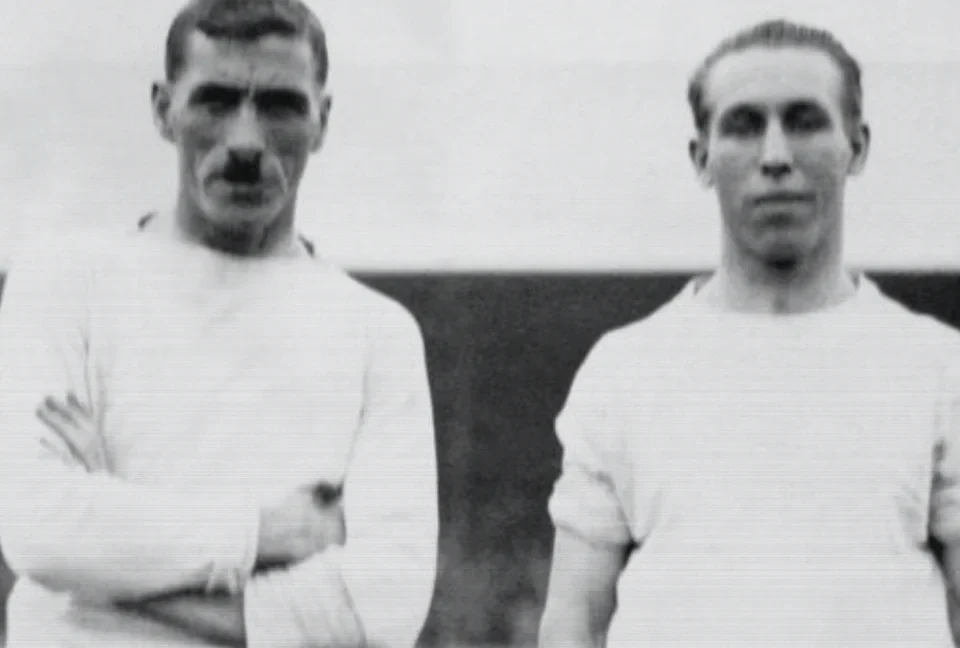
Manchester City enter the week with the old anxieties of the game close at hand: the prospect of punishment over alleged financial fair-play breaches and questions around the transparency of the investigations has brought a familiar unease to the city. Long before the modern arguments over accounts, sponsors and regulation, City were at the centre of one of English football’s earliest scandals.
Why it landed this week
- Manchester City
- Manchester United
- Aston Villa
- Billy Meredith
- Alex Leake
The present debate has revived memories of 1905, when City’s troubles reached from the pitch to the boardroom. The immediate accusation concerned Billy Meredith, the Welsh winger who was alleged to have offered Aston Villa captain Alex Leake £10 before the final match of the season in return for Villa losing.
Meredith received a one-year ban, but the case did not end with him. He responded by revealing that he and fellow players had been paid £6 a week, exceeding the Football Association’s permitted £4 maximum wage by £2. The subsequent inquiry also uncovered claims that club officials had taken money from gate receipts. Tom Maley, who was serving as manager, was among those removed from the game for an extended period.
Seventeen City players were punished and barred from playing for the club. They were put up for auction in January 1907, a remarkable solution even by the rather improvisational standards of early football administration. Meredith had already moved across Manchester to United.
The player who outlasted the scandal
Meredith’s reputation was always larger than the affair that engulfed him. He had gone down the coal mines at the age of 12 before becoming one of football’s first genuine stars, a player recognised beyond his own ground and awaited by supporters at railway stations. He later helped establish the first footballers’ union.
He was among the earliest players to appear on collectible cards, an emblem of a Victorian-era game finding its public heroes. A slight right winger with bowed legs, a fierce dribble and a notably accurate cross, he was rarely seen without the toothpick he chewed during matches. Meredith believed it settled his nerves.
His contribution to City had already been substantial. In the 1898-99 Second Division campaign he scored nearly 30 goals and helped carry the club into a new period. Five years later, his goal against Bolton in the FA Cup final delivered City’s first major trophy.
The ban and departure changed the course of his career, but not its scale. At Manchester United he won two league championships and another FA Cup. In 1921, aged 47, he returned to City and came close to reaching another cup final.
Meredith died in 1958. The 1905 scandal gradually faded into the background; the man with the toothpick did not. For City, as another difficult week approaches, the history is a reminder that football has always had a long memory for the numbers and an even longer one for its heroes.