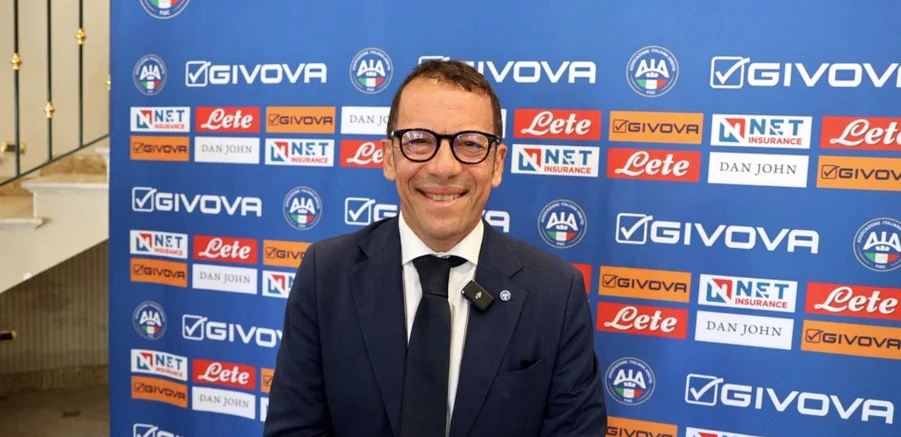
Francesco Massini has begun his presidency of the Italian Referees’ Association with a call for calmer debate around officiating, while defending the handling of the confrontation that followed Cagliari’s match against Juventus.
The Cagliari-Juventus incident
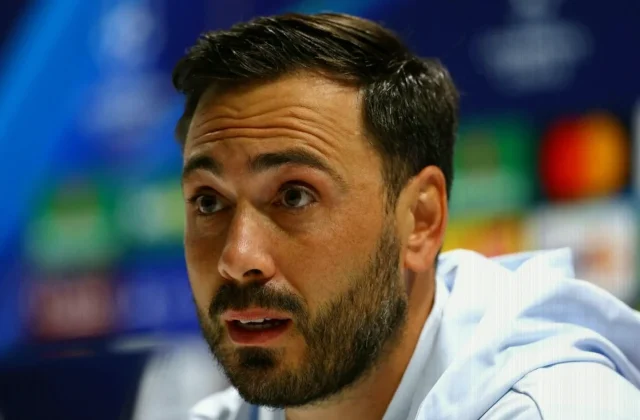
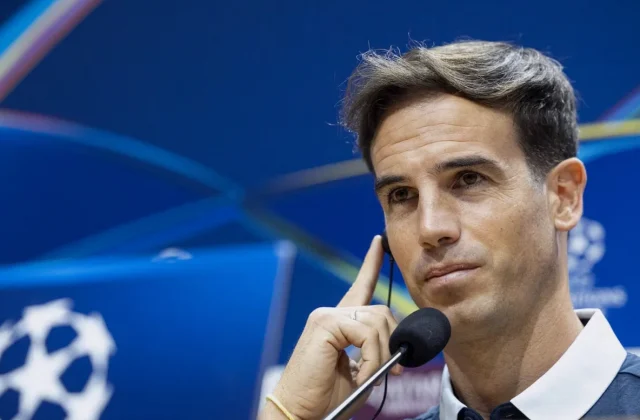
- At the final whistle of Cagliari-Juventus, Cagliari coach Fabio Pisacane and Juventus manager Luciano Spalletti became involved in an altercation.
- Both men were sent off after the confrontation, described as a mass confrontation under the disciplinary framework.
- Massini, newly appointed as AIA president, said he preferred not to offer a detailed view while the matter remained subject to review. He acknowledged that such episodes can happen, while adding that they should ideally be avoided.
- He backed referee Marcenaro’s management of the situation, saying that the appropriate measures had been taken.
A referee’s role in a changing Serie A
Massini expressed satisfaction with the season’s updated approach to the laws and their application, arguing that matches are now flowing for longer and that there is greater acceptance of decisions. He said this also places a heavier responsibility on officials, who must be better prepared physically, because their job is to protect the game.
The new AIA chief also supported the approach associated with Daniele Orsato on VAR: technology cannot be abandoned, but the referee on the pitch should remain central to the final call. In Massini’s view, the priority should be for the decision made on the field to carry greater weight.
Open VAR and a wider explanation of decisions
Massini did not rule out bringing back Open VAR, stressing that he has never opposed the format. However, he believes any programme should not be limited to dissecting mistakes.
Showing correct decisions as well as incorrect ones would offer a fuller picture of refereeing, he argued. Otherwise, the discussion risks turning into a trial centred solely on errors.
Protection for young officials
Massini also addressed the consequences of mistakes in lower divisions, where abuse can at times become violence against young referees. He called such behaviour unacceptable and promised a zero-tolerance stance during his term.
His presidency is built around three stated aims:
- Securing financial autonomy for the AIA;
- Further professionalising referees;
- Updating regulations and creating governance that is more modern, participatory and inclusive.
Restoring unity inside the AIA
For Massini, the larger task is to bring serenity back to Italian refereeing. He said there are too many lingering resentments within the system and urged members to put collective interests ahead of personal ones, with the aim of moving beyond internal factions.
He insisted that the AIA remains healthy and strong, and that it belongs not to whichever group prevails but to all its members.
Massini also offered support to Gianluca Rocchi, who recently made his debut as a DAZN pundit after the judicial and sporting investigations involving him were closed. Massini said he had always stood by Rocchi and had never doubted the integrity of the officials involved. He added that Italian refereeing has the foundations to return to the standards of its strongest years.