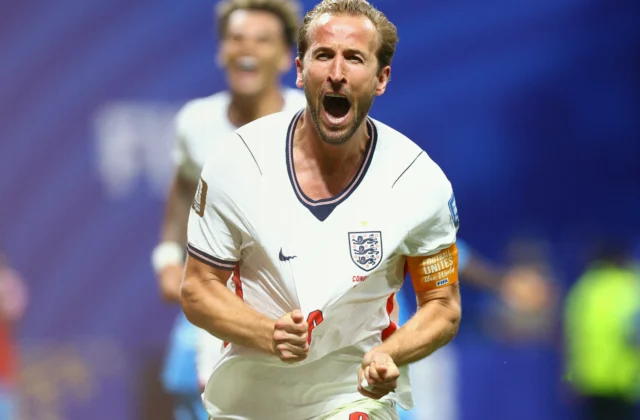
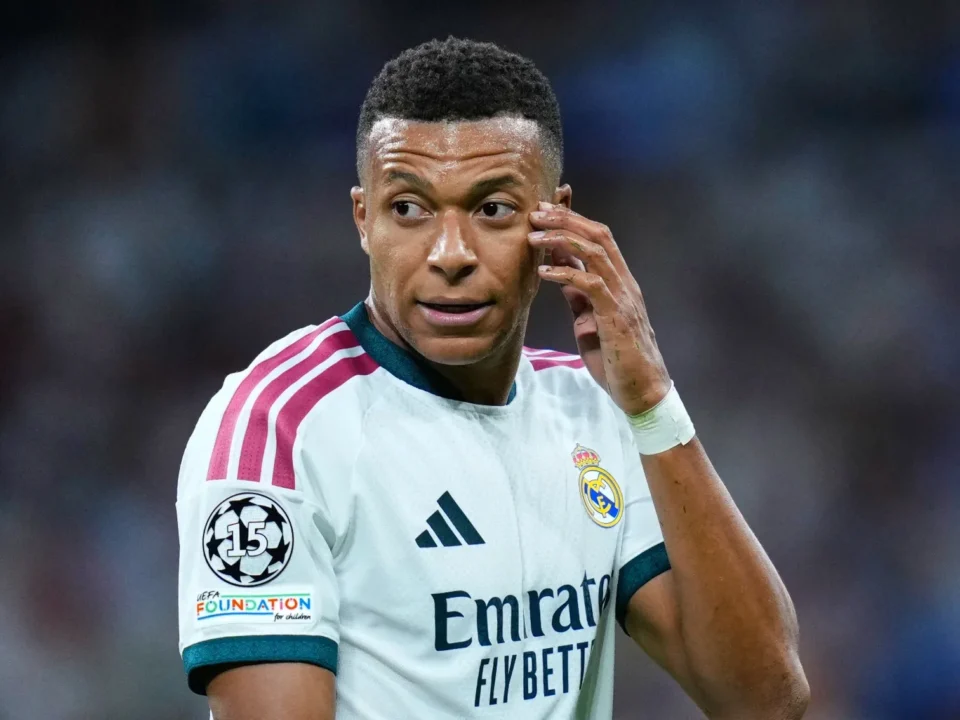
A video clip, a meme and a reference to Mao Zedong have pushed Kylian Mbappé into a major controversy in China, only a day after the Real Madrid forward narrowly missed out on the 2026 Ballon d’Or, won by Harry Kane.
Mbappé, 27, has apologised after appearing in a video to describe an image of his face placed over Mao’s as the funniest meme he had seen. In the clip, the France international seemed to identify Mao only as “a Chinese dictator”, drawing an immediate reaction in a country where the former leader remains an official national hero.
How the controversy unfolded
- A video began circulating in China in which Mbappé appeared to joke about an online image combining his face with that of Mao Zedong.
- The meme referred to a nickname used against Mbappé by critics who accuse him of being overly authoritative in dressing rooms. He has at times been portrayed in dictator-style clothing and labelled “Mobutu”.
- Digital verification teams in France were initially unable to establish whether the clip was authentic.
- Mbappé issued an apology late in the morning, effectively confirming that he had made the remarks.
- Chinese foreign ministry spokesman Guo Jiakun said that words or actions hurting Chinese public sentiment would naturally meet broad rejection across society.
- State broadcaster CCTV reportedly halted broadcasts of La Liga matches involving Mbappé and removed advertising featuring the player.
- Dongpeng, Mengniu and Milkground, three companies using Mbappé’s name and image, announced the immediate end of their partnerships with him.
- La Liga distanced itself from the French forward and said it deeply regretted his comments.
Why Mao remains a sensitive subject
Mao, who died in 1976 aged 82, led China’s communist revolution, helped establish the Chinese Communist Party and became the founding figure of the People’s Republic of China. Five decades after his death, he remains closely tied to the legitimacy of the one-party state.
The issue goes far beyond a footballer’s social-media joke. Any perceived mockery of Mao can be interpreted as an implicit challenge to the Communist Party and, by extension, to President Xi Jinping. Even mentioning Xi’s name can be treated cautiously in China because of the political meaning that may be attached to it.
China specialist Jean-François Di Meglio said Mao is effectively a taboo figure in the country’s political culture. He argued that the image should be understood within China’s own context, even if the response differs sharply from the type of criticism or satire accepted in France and elsewhere in Europe.
He compared the sensitivity around Mao to placing the face of a French player over that of François Mitterrand, another deceased political figure who retains a significant place in French public memory. The difference, he said, lies in the political system and the means available to authorities to impose censorship and boycotts.
Commercial consequences in a crucial market
The three brands that cut ties with Mbappé cited “zero tolerance” for language or acts deemed to offend national feeling. Dongpeng is a drinks group, Mengniu a dairy giant and Milkground a cheese manufacturer.
Di Meglio said the speed and unity of the corporate reaction demonstrated the reach of central power over businesses that may formally be private. In his view, the episode underlined how rapidly information can spread through Chinese social platforms, whether or not it has first been conclusively verified.
That pace is particularly damaging for Mbappé’s commercial standing. China, with a population of more than 1.4 billion and a large football audience, is a vital international market for La Liga and its leading players.
The longer-term effect on Mbappé’s image in the country is still unclear, but the dispute arrives at a delicate moment for global football. FIFA has been seeking greater development and audience growth in China, while Chinese authorities view football as a powerful instrument of international influence.
For Mbappé, the fallout has moved far beyond one circulating meme. A player used to occupying the centre of Europe’s football stage now faces a reputational crisis in one of the game’s biggest potential markets.