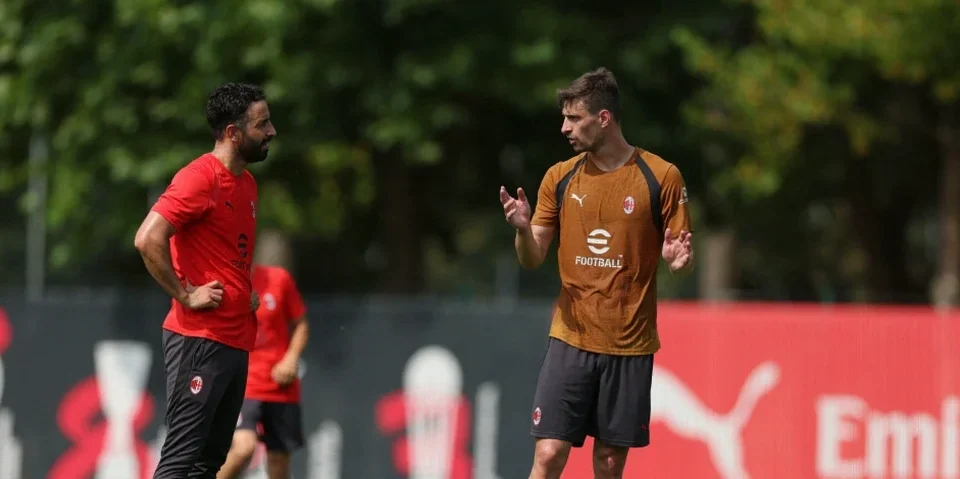
Matteo Gabbia’s injury has arrived at the point of the season when Milan can least afford another uncertainty at the back. The defender left the pitch on a stretcher after a moment of evident distress, covering his face and in tears as Ruben Amorim watched with concern. Gabbia is not a player associated with exaggeration, which made the scene more troubling still.
His message afterwards carried the same weight. Gabbia said it was a particularly difficult day and expressed his regret at being unable to help the team during such an important phase of the campaign. He promised to work towards returning in the best condition and as quickly as possible, thanked his family, the club, staff and teammates, and addressed the supporters who have remained close to the side. “See you soon at San Siro,” he wrote.
Yet “soon” is relative. A conservative course of treatment could keep Gabbia out for around three months, while surgery would likely extend the absence by roughly another month. Either route points towards a return well into 2027, leaving Amorim to manage a demanding sequence of fixtures with one fewer established central defender.
A squad decision now tested by events
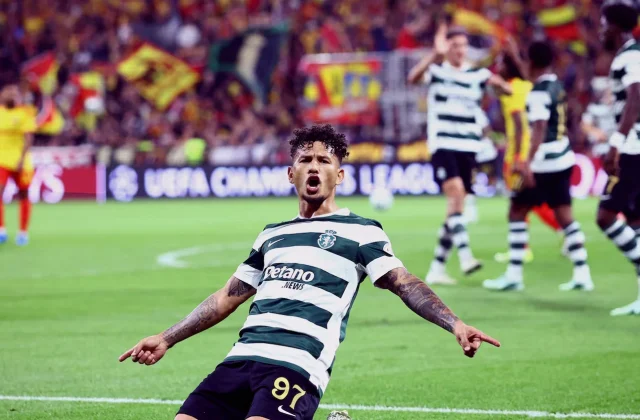
The setback brings renewed attention to Milan’s choices during the summer. As the transfer window developed, the club’s priority shifted towards the attacking midfield area rather than another defensive signing. Resources could not be spread across every department, and a late attempt to bring in Gonçalo Inácio did not succeed.
Within the club, the calculations were that there were sufficient alternatives. Filippo Terracciano can be used on the right side of central defence, while Davide Bartesaghi offers cover on the left. Vladimirov, officially part of the first-team group since August despite playing for Milan Futuro, has also been viewed as a young player capable of providing depth. Numerically, the options existed; the question now is whether their level can match the demands of the season.
Fikayo Tomori’s situation has also changed quickly. When Milan concluded that a new defender would not arrive, and the England international did not find a move that satisfied him, he was brought back into the first-team picture after having appeared close to leaving it. That does not mean he has become an automatic choice under Amorim: Tomori has yet to play a minute so far. Still, with the schedule tightening before the next international break, his involvement in the rotation now appears increasingly likely.
Without Gabbia, the recognised senior central defenders available are Gila, Koni De Winter and Strahinja Pavlovic. Diawara, a quiet summer arrival who has not yet featured, was recruited as a player for the future, but the circumstances may demand that his development accelerates. Pavlovic has played every match to this point and cannot be expected to carry that burden indefinitely.
Terracciano and Bartesaghi remain adaptable solutions, while 18-year-old Vladimirov is another option from within. Beyond them, Milan may have to wait until January if they wish to reinforce the department. The club’s position remains that any signing should clearly raise the quality of the group rather than merely add a body.
Inácio remains the leading target, although extracting a regular starter from Sporting midway through the season would be difficult. A suitable offer could alter that position, but the Portuguese defender’s valuation is around €40 million. Until then, Gabbia’s absence turns a summer calculation into a test of Amorim’s squad management and of Milan’s depth during a decisive stretch of the championship.