
Milan’s autumn will be shaped as much by recovery rooms and travel plans as by Sunday results. From the brief pause on 10 October until 8 November, the Rossoneri face an unforgiving sequence across league and European commitments, with five turnarounds of less than 72 hours before another match arrives. Ruben Amorim’s squad will need depth, flexibility and a clear rotation policy if it is to keep its season on course.
Key takeaways
- Milan have five fixtures scheduled less than three days after their previous game, matching Juventus for the highest such total among the leading Italian sides.
- The most difficult October stretch runs from the trip to Bournemouth on 22 October through Udinese away on 25 October and Bologna at home on 28 October.
- The 13 December visit to Napoli follows Milan’s meeting with Sunderland by almost exactly 72 hours.
- Amorim intends to rotate heavily, aided by multi-role options including Moreira, Adrien Rabiot, Alexis Saelemaekers and Davide Bartesaghi.
- Napoli have no sub-72-hour turnaround in the period considered, while Como have two, Inter and Roma one each.
An autumn calendar that leaves little margin
The first pressure point comes immediately after the international break. Milan travel to Salzburg for an 18:45 kick-off on 15 October before hosting Atalanta at 18:00 on 18 October. The Europa League’s Thursday-night rhythm is at the heart of the problem: domestic fixtures must be fitted around it, often leaving little room for a full training week.
A more demanding chain begins with Bournemouth against Milan at 21:00 on 22 October. The match is due to finish at 23:00 Italian time, meaning the squad will return during the night before preparing to travel to Udine on Saturday. Udinese-Milan takes place at 20:45 on Sunday 25 October, followed by Milan-Bologna at 18:30 on 28 October.
There is no possibility of moving the Udinese fixture to Monday. It is the final match of that Serie A round because the following midweek programme prevents a later postponement. For Amorim, that makes the return from England and the subsequent journey north one of the clearest tests of his management.
Another compressed interval arrives in early November. Milan face Ferencvaros at San Siro on 5 November at 18:45, then go to Genoa for a 15:00 match on 8 November. The final listed instance comes in December, when Milan host Sunderland at 21:00 on 10 December before travelling to Napoli for a 20:45 kick-off on 13 December.
The Napoli match carries added weight because it is a meeting between clubs with ambitions at the top end of the table. It will follow another demanding European night, leaving virtually no time to absorb either the physical or emotional consequences of the Sunderland fixture.
Rotation will define Amorim’s response
Milan are not alone in facing a crowded schedule. Juventus also have five gaps of under 72 hours between matches, and their calendar includes a Monday-night game between October and New Year. The Champions League clubs have a less severe picture: Como face two short recoveries, Inter and Roma one apiece, while Napoli avoid them altogether.
That contrast may matter in the contest for the top four, particularly as Milan’s Europa League commitments create regular Thursday-to-Sunday complications. The club have long paid close attention to fixture scheduling, and some of the coming decisions are likely to be examined closely, but the basic constraints of the calendar leave few alternatives.
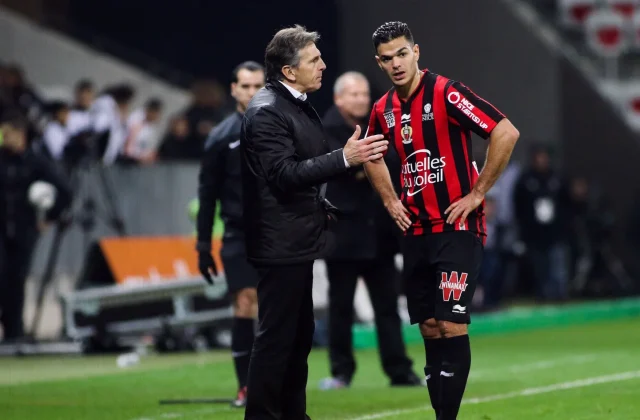
Amorim has already indicated that he wants frequent changes rather than a fixed XI carrying every workload. Moreira, Rabiot, Saelemaekers and Bartesaghi offer the coach players able to cover more than one role, while the squad’s younger profile is also viewed as helpful from a fitness perspective.
Luka Modric is expected to be used chiefly in matches where Milan anticipate having more of the ball. Francesco Camarda should receive opportunities in place of Gonçalo Ramos, while Diawara and Filippo Terracciano are also expected to provide defensive cover during the busiest weeks.
Ultimately, the value of rotation will be judged by results. A win allows Milan to turn rapidly towards the next assignment; a defeat leaves barely three days to correct it. The packed autumn can limit the time available for arguments and distractions, but a poor run could become difficult to halt before Christmas.