
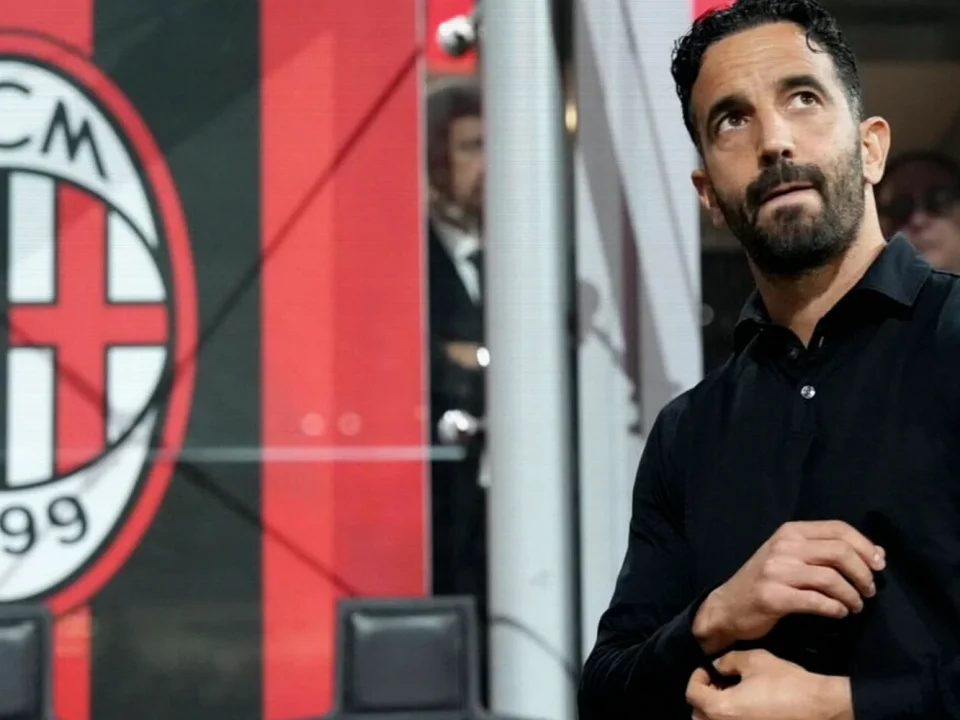
Milan’s collapse against Lecce has invited the usual search for a single culprit, but the more revealing thread may lie in the reported conversations between Ruben Amorim and the club’s senior players after the puzzling selections made against Benfica. A dressing room can absorb poor results, difficult choices and even a coach’s mistakes; it becomes far less stable when trust in the shared direction begins to loosen.
The lesson is not that a coach must surrender his authority. It is that authority cannot live apart from the group expected to carry it through every Sunday afternoon. Julio Velasco once framed the balance clearly: a coach should aim to educate, but without overreaching, because a team can exist without its manager whereas a manager cannot exist without his team. His other warning was equally direct: outstanding coaching alone does not turn workhorses into racehorses. Training can improve what is available, but victories at the highest level still require the right players.
For Milan, that distinction matters. A coach’s plan, however forceful, cannot become an untouchable doctrine simply because it has been declared. The club, its hierarchy and its experienced players all have a role in judging whether the idea still fits the people on the pitch. Strong thinking is necessary; a single, unquestioned line of thought is not.
When a captain changed the shape of Arsenal
Football’s history offers a useful example of a coach listening without losing control. In June 1925, IFAB altered the offside law: instead of requiring an attacker to have three opponents between himself and the goal, the rule demanded only two, including the goalkeeper. The change disrupted the old order and left English football searching for defensive answers.
Herbert Chapman, the Arsenal manager and a former mining engineer, was confronted with the problem immediately. His side travelled to Newcastle and lost 7-0, a result that exposed the uncertainty created by the new law. The established 2-3-5, the old Cambridge Pyramid, no longer offered the same protection.
Charlie Buchan, Arsenal captain and former Sunderland goalscorer, proposed a radical response. Rather than leaving two defenders against increasingly liberated forwards, he suggested pulling a midfielder back into the defensive line. Arsenal could then field three at the back and restore their numerical advantage against opposition attackers.
Chapman did not simply impose a solution from the touchline. He heard Buchan out. Tom Whittaker, an influential presence inside the squad, backed the captain’s proposal, and Chapman agreed that it was worth trying. The result was immediate: Buchan scored twice as Arsenal beat West Ham 4-0.
That decision helped open the way for the System, later known as the WM, a formation whose legacy can be traced through later adaptations, including the 3-4-3 explored by Alberto Zaccheroni at Udinese and then reshaped for Milan’s Scudetto-winning side. It was not a cosmetic adjustment but a break from the prevailing model, born from a manager’s willingness to make room for a player’s insight.
Milan’s present difficulty is not comparable in scale to that historical tactical shift, nor does it demand a romantic return to the past. But the principle remains relevant. A coach needs conviction, especially when a season becomes uncomfortable. He also needs a squad that recognises itself in the work. In a championship decided over months rather than moments, dialogue is not weakness. Sometimes it is the first step away from a damaging result and towards a more durable path.