In Montevideo, where football’s rituals are usually measured in whistles, gestures and the familiar flash of coloured cardboard, Uruguay has tested a more digital way of recording discipline. Nacional’s 3-0 Copa AUF Uruguay last-16 win over Rentistas on Thursday became the first match to use virtual yellow and red cards.
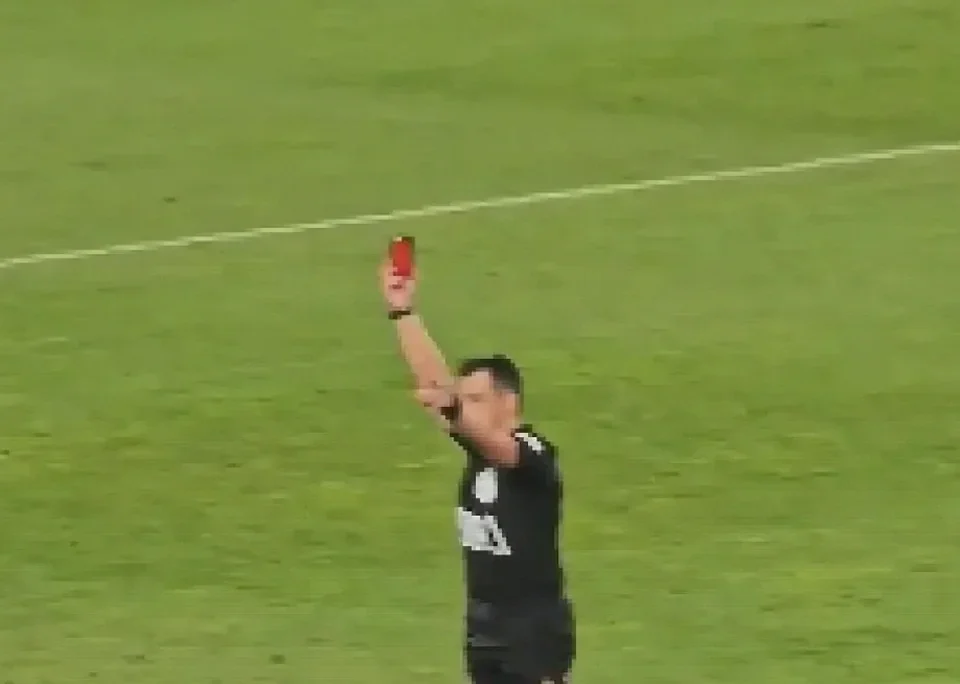
Referee Eduardo Varela reached for an electronic device in the 12th minute to caution Juan Pablo Plada, making the Rentistas player the first recipient of a booking shown through the new system. Resembling a mobile phone or compact tablet, the unit displays the relevant card on its screen through dedicated controls rather than relying on the traditional cards carried in a referee’s pocket.
The trial is intended to do more than alter the appearance of a caution. Each sanction is logged immediately and sent to COMET, the competition administration system, removing the need for officials to write down incidents during the game before entering them digitally later.
A wider match record
The Uruguayan Football Association is developing the project with a technology company, with the aim of expanding the device’s role beyond bookings and dismissals. Substitutions and penalties could also be recorded live, while the longer-term plan is for match information to be delivered directly to media outlets.
For a sport played in every kind of weather and at grounds with varying infrastructure, the equipment has been designed to function without a Wi-Fi connection. Yet its first public outing also showed the work still required: from the stands, the colour displayed on the screen was difficult to make out, leaving some spectators unsure whether Varela had produced a yellow or a red.
Nacional moved on comfortably on the scoreline, but the evening’s most novel detail belonged to the referee’s hand rather than either penalty area: a small screen, an instant record and a possible new chapter in how Uruguay’s matches are administered.