
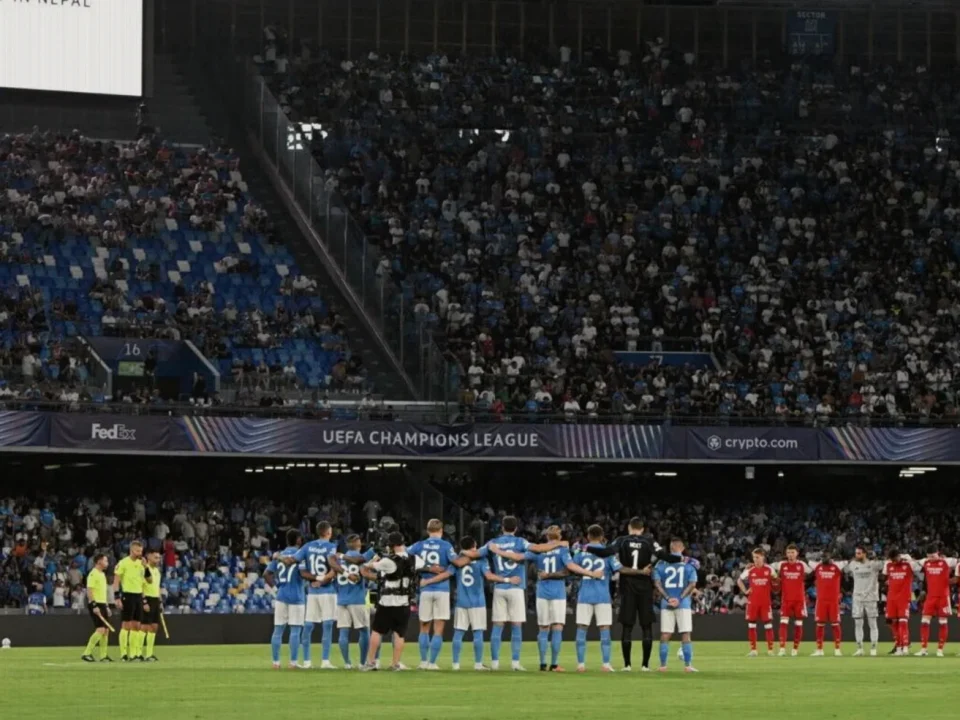
Naples has moved a step closer to putting the Diego Armando Maradona Stadium at the centre of Italy’s Euro 2032 plans, with the city council approving €50 million for a major redevelopment of the Fuorigrotta venue.
The funding, authorised by the municipal executive at the request of mayor Gaetano Manfredi, comes from the city’s own financial resources. It is intended to support the renovation and modernisation of the stadium that hosts Napoli, with the European Championship bid now providing the timetable and wider purpose for the project.
The municipal commitment sits alongside €150 million already secured from the Campania Region through CIPESS. With €200 million now identified for the programme, the economic basis for the proposed works has received a significant boost as Naples prepares the documentation required by the Italian Football Federation and UEFA.
A stadium tied to the city and its club
The Maradona is more than Napoli’s matchday home. The city administration described it as a meeting place for generations of Neapolitans, a sporting asset shaped by its history and the setting for major domestic and international occasions.
Napoli’s recent success has reinforced that place in the city’s sporting life. The club has won two Serie A titles in the past three years, and the stadium remains the focal point of the team’s relationship with its supporters every Sunday afternoon.
City officials have adopted separate measures setting out the planning direction for the renovation work. The stated aim is not simply maintenance, but a wider upgrade intended to bring the venue into line with the standards demanded for a tournament such as Euro 2032.
Euro 2032 process still to be completed
The latest decision follows an agreement signed in April 2026 between the Campania Region and the Municipality of Naples. That protocol set out strategic interventions for the city, including the redevelopment of the Maradona.
Naples must still complete the formal process required by the FIGC and UEFA before its candidacy can advance. The municipal funding, however, gives the project a clearer financial framework and is designed to respect the schedule requested by football’s governing authorities.
For Napoli, the stadium question has become part of a broader chapter around the club’s future: a historic ground, a city seeking to modernise it, and an opportunity to ensure that one of Italian football’s most recognisable homes is ready for Euro 2032.