French football’s promised refereeing revolution has reached the stadium speakers, but Olivier Létang’s dispute with the system has exposed a deeper frustration behind the scenes: clubs still want a real conversation when a season feels shaped by a whistle.
Olivier Létang’s refereeing dispute puts dialogue in focus
SEO title: Olivier Létang and Ligue 1 clubs seek deeper refereeing dialogue
SEO description: Lille president Olivier Létang’s clash with French refereeing has renewed calls from Ligue 1 clubs for direct discussions, beyond written replies and matchday announcements.
The move
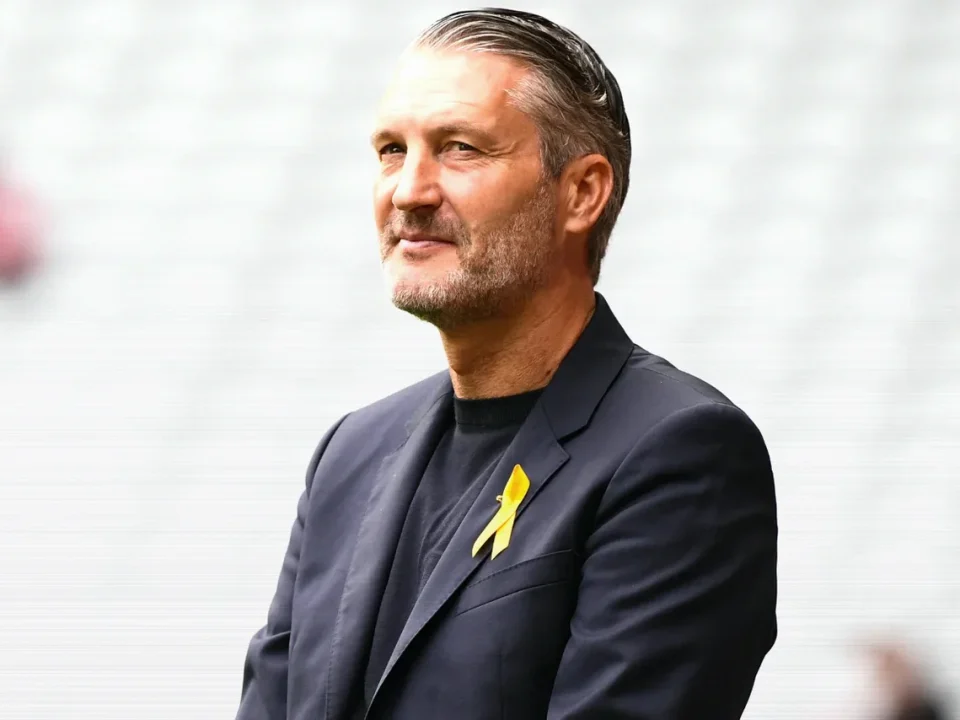
Létang, the Lille president, has become the most visible figure in a wider Ligue 1 concern over the relationship between clubs and French refereeing authorities.
His strongly worded messages drew much of the attention, and some observers felt he went too far in the way he expressed himself. Yet several figures within the top flight believe the issues raised by the Lille executive deserve to be addressed on their substance.
Antony Gautier, who leads the French refereeing technical department, responded personally to Létang in a detailed email covering the points raised by the LOSC president. For some club officials, however, a letter is not enough when important decisions can affect sporting targets, finances and an entire campaign.
One Ligue 1 executive argued that a director facing damaging refereeing calls while his club’s season is at stake should receive more than written correspondence from the refereeing department. The same figure said that the lack of post-match contact from officials is where the underlying problem becomes most apparent.
Key figures
- Olivier Létang — Lille president
- Antony Gautier — head of France’s refereeing technical department
The French season around it
French refereeing has spent recent seasons presenting itself as more accessible to supporters. Ahead of the new campaign, the refereeing technical department met the media to outline its plans, including the introduction of referee audio announcements across every Ligue 1 ground.
The initiative is intended to help spectators understand decisions inside the stadium. But there is scepticism among those around the game over how far it will improve scrutiny for supporters watching at home, with some seeing it as an extra matchday feature rather than a major step forward in explaining officiating.
Gautier has repeatedly made transparency and education central to his message. In April, he said the aim was to provide even greater clarity and teaching around refereeing.
That public ambition has not always been matched by regular communication after matches. Referees rarely speak once games have finished, while explanatory videos released through the French Football Federation’s platforms are not viewed by every club as a mechanism that can revisit or alter disputed calls from the previous weekend.
Before each season, referees visit Ligue 1 clubs to explain rule changes and new procedures to players. Some executives would like those meetings to be expanded significantly.
They point to rugby’s Top 14, where coaches and match officials take part in two-day seminars. The suggestion is that French football could create a comparable forum involving referees and the presidents of all 18 Ligue 1 clubs — moving the debate from emails and public statements into the same room.