The Rockies are moving on from pitching coach Alon Leichman after one season, ending a staff experiment that brought dugout pitch suggestions, altered starter usage and a steady search for a way through another difficult year on the mound at Coors Field.
| 2026 Rockies pitching | Figure |
|---|---|
| Club record | 58-104 |
| Staff ERA | 5.59 |
| Starting-pitcher ERA | 6.28 |
| Opponents’ average vs. starters | .303 |
| Kyle Freeland | 4-12, 6.65 ERA in 26 starts |
| Chase Dollander | 3.89 ERA in 10 appearances |
A coaching change after a rough season
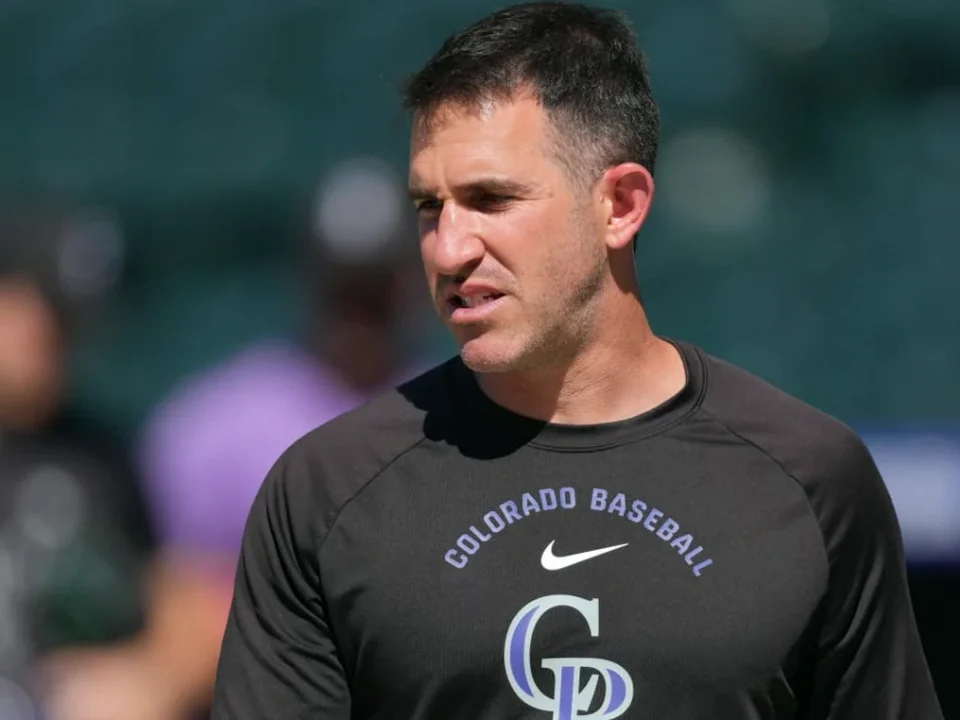
Colorado has not formally announced Leichman’s departure, but the 37-year-old will not return as Warren Schaeffer’s pitching coach. He joined Schaeffer’s newly assembled staff during the Winter Meetings last December, arriving alongside assistant pitching coach Gabe Ribas and bullpen coach Matt Buschmann.
Leichman had gained attention for working from the dugout on pitch selection. He had used a similar approach while serving as an assistant pitching coach and assistant pitching director with the Marlins in 2025, and he brought the concept to Denver while encouraging Rockies pitchers to expand their repertoires.
The club described the arrangement as pitch suggesting, rather than having a coach simply call every pitch. By the middle of the summer, however, Schaeffer had mostly stepped away from it. There were still occasional calls from the dugout, but pitchers generally preferred to work through two-time All-Star catcher Hunter Goodman or reserve catcher Brett Sullivan.
Credibility in a hard place to pitch
Paul DePodesta, the Rockies’ president of baseball operations, addressed the difficulty of implementing such changes in his season-ending remarks. He noted that trying a new system in a demanding pitching environment can quickly put coaches under scrutiny when runs follow.
“A difficulty was that this is a challenging place to pitch,” DePodesta said, explaining that a new pitch-calling setup, a different rotation structure or another adjustment can still lead to runs being scored. When that happens, he said, the people responsible for the change can lose credibility.
DePodesta added that the organization must better prepare both players and coaches if it intends to keep trying nontraditional approaches. The departure of Leichman does not change the club’s stated intention to continue exploring new pitching ideas.
The rotation never settled
The Rockies had already endured a 43-119 season in 2025, and the pitching staff—particularly the rotation—again carried a heavy burden in the 58-104 campaign that followed. Colorado’s 5.59 staff ERA was the highest in the Majors. Its starters finished at 6.28, well above the Athletics’ 5.61, and the rotation allowed a Major League-high .303 opponent batting average. Oakland was next at .272.
There was no shortage of attempts to reinforce the group. After several quiet years in free agency, Colorado signed veterans Michael Lorenzen, Jose Quintana and Tomoyuki Sugano to one-year deals.
Sugano stayed mostly healthy and was the club’s strongest pitcher during the first half. Quintana injured his left elbow in May and did not return until the final days of the season. Lorenzen struggled and was designated for assignment in August. Freeland, the remaining veteran fixture, finished 4-12 with a 6.65 ERA across 26 starts.
Young arms and changing roles
The younger starters brought both promise and more uncertainty. Chase Dollander, Colorado’s first-round pick in 2023, made seven of his 10 appearances after the club used a reliever as an opener. The right-hander posted a 3.89 ERA before a right elbow injury ended his year and required surgery.
Tanner Gordon, 2022 first-round selection Gabriel Hughes and Mason Adams—all took turns in the rotation as the season moved along. Adams, acquired from the White Sox at the Trade Deadline, produced the best results of that group.
Colorado also tried another variation late in the year with Ryan Feltner. The starter found some of his better outings while working as a piggyback arm, entering after another starter rather than opening the game himself.
That is the human note behind Leichman’s exit: the Rockies did not stand still while the runs piled up. They changed personnel, brought in veteran starters, tested openers and piggyback roles, and briefly put more pitch direction in the dugout. None of it gave the rotation a lasting foothold, and now another pitching coach’s chair will be vacant as the club looks for its next answer.