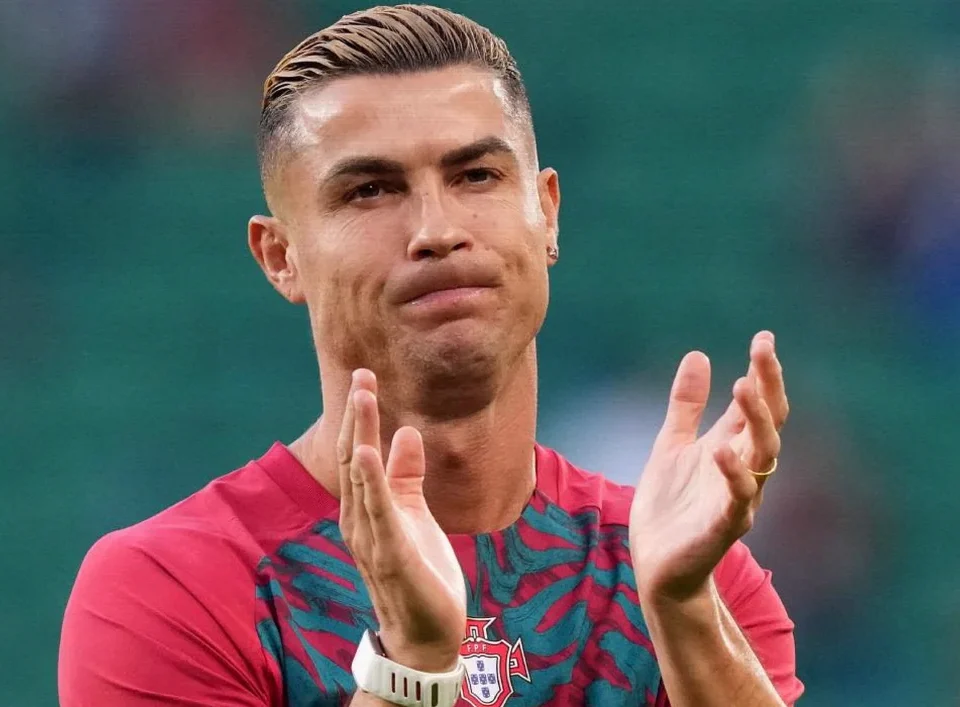
In Portugal’s October camp, Cristiano Ronaldo has set out his account of the dispute that led him to leave the national-team training base, accepting that he should face punishment while insisting that promises made to him by coach Jorge Jesus were not kept. The Al Nassr forward, writing on Tuesday 6 October, said his decision to depart came after a second breakdown of trust with the manager, but conceded that failing to acknowledge supporters after the Norway match was his own mistake.
Ronaldo said the Portuguese Football Federation should judge and sanction his conduct without reducing any penalty because of his status. “I am not an ordinary player; I am the captain, and that makes it more serious,” he said, adding that the rules must apply equally throughout football. He had already apologised, he wrote, but believed actions must carry consequences.
The 41-year-old explained that he had considered ending his Portugal career after the 2026 World Cup and had even drafted a letter to supporters, which he still has. He remained involved after the federation president urged him to reconsider, telling him the national side wanted him to continue. Ronaldo also said he was asked for his view on appointing Jorge Jesus and backed the choice, describing the coach as the right appointment and pointing to the team’s results.
A plan altered between Alvalade and Norway
After the summer break, Ronaldo said Jesus told him he remained central to the project and outlined a managed schedule. The forward understood that he would start the first and final fixtures, while making three or four substitutions during matches for fitness reasons. Jesus then suggested that Ronaldo should miss travel with the squad to Norway and Denmark: play the opening match, remain in Portugal, then rejoin the group ahead of the fixture at the Estádio do Dragão.
Ronaldo said he rejected that proposal because it would have meant relinquishing the captaincy, arguing that such preferential treatment would not have set the right example. Simão Coutinho, Al Nassr’s sporting director, was present for that initial conversation, Ronaldo said.
The tension, in Ronaldo’s version, emerged after the match at Alvalade and before the Norway game. Jesus requested another meeting and asked whether he was fit enough to play 30 minutes. Ronaldo said he had been concentrating on physical recovery, training normally with teammates and expecting not to feature, but told the coach he could manage half an hour if required. Jesus then instructed him to prepare for that role.
Ronaldo warmed up from half-time but was never called from the bench. He said he felt the coach had failed to honour his commitment. At full time, he wanted only to see out a victory and be alone, and did not go over to the Portuguese supporters. That omission, he stressed, was entirely his responsibility and should not have happened.
Departure, apology and a possible return
Ronaldo said that he, Jesus and Coutinho subsequently met again and agreed that the coach would publicly acknowledge an error in having him warm up without using him, while promising not to repeat it. A short document was prepared, reviewed by Ronaldo and, with his knowledge, passed to Jesus at the coach’s request.
But Ronaldo said the manager’s subsequent press conference did not reflect the private agreement. He described what he regarded as unwarranted aggression and a commanding attitude from Jesus, one he said had not appeared in their earlier conversations. The forward did not reproduce every agreed point, but said the coach had broken his word for a second time. Rather than wait for another promise, Ronaldo chose to leave the camp.
“Truth remains the most important thing in personal relationships,” Ronaldo wrote. He said that if he was no longer wanted by Portugal, he wanted to be told directly and would accept it. In his view, honesty would have allowed the federation and player to prepare a fitting solution without bitterness.
The captain apologised again to Portugal’s supporters and acknowledged the impact of the episode on his international teammates. Even with what he called a complete loss of faith in Jesus’s word, he accepted that he should not have responded by leaving. He felt, however, that his continued presence would have harmed the group and said he had done what he had always said he would do if he no longer felt useful: packed his bags and gone.
Ronaldo did not close the door on Portugal. He said he hoped the federation would allow a proper farewell, promising that one or more tribute matches could be arranged in time. After serving any sanction, he said he would be available again if physically fit, playing for Al Nassr and, ideally, scoring goals — ready, as he put it, to compete and win for Portugal once more.