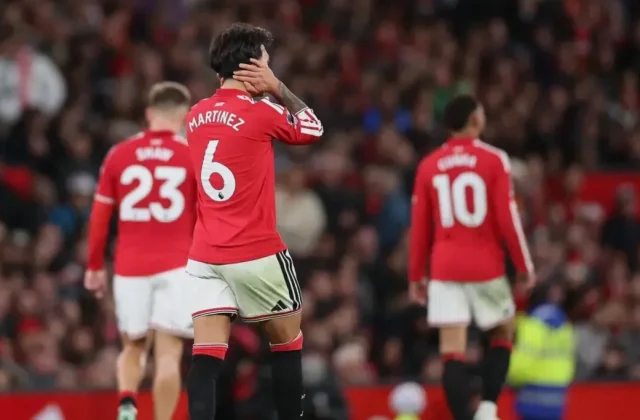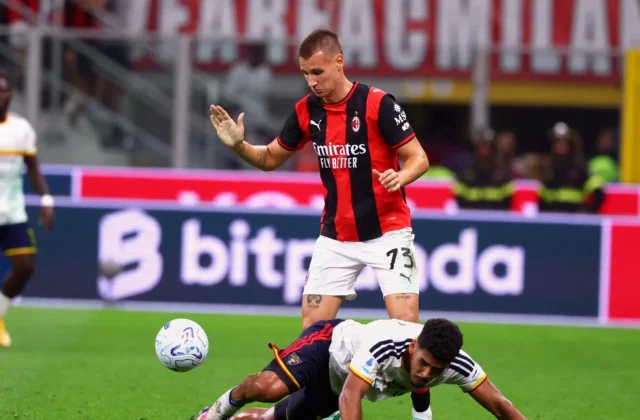
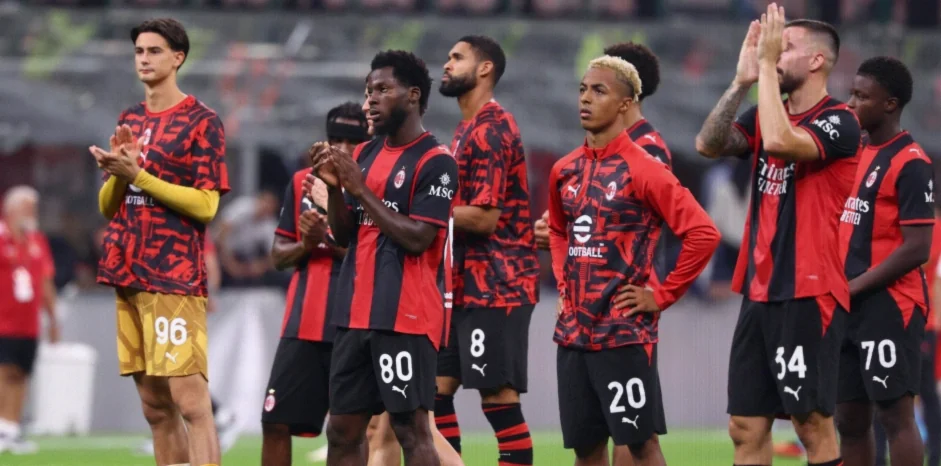
AC Milan’s first weeks under Ruben Amorim have moved from promise to unease with striking speed. Twenty-five days after the opening against Torino, the Rossoneri arrived at Benfica looking unrecognisable: a side short of conviction, short of fluency and, above all, without an obvious platform from which to rebuild.
The decision
Amorim is not presently in danger of losing his position, despite the alarm around Milan. RedBird gave him the longest contract of its ownership, an indication that the appointment belongs to a longer project rather than a short-term correction. The club also anticipated difficulties in moving from the previous footballing model to one so different, while Gerry Cardinale publicly backed Amorim during the summer.
Removing him after only a few weeks would amount to admitting that another attempted reset had failed before it had properly begun. That remains a powerful reason for patience. Yet the coach has been asked for a quick improvement in results, because Milan cannot allow the season to be compromised before September has passed.
The concern is not simply that results have fallen away. Milan have lost much of what made the start intriguing. The early principles associated with Amorim, seen against Torino under Abate, have faded. The side are struggling to create attacks, defend with authority or play with the courage required to impose themselves.
When Milan have the ball, too many players appear reluctant to take responsibility, as though fear of the mistake has overtaken the desire to make something happen. Their striker is often left searching for a usable pass. The aggressive pressing and territorial authority demanded by Amorim lasted little more than the first two matches.
For now, there is no clear strength on which the coach can rely. He must restore both physical and mental energy almost from the beginning, because the foundations have disappeared along with the early momentum.
Selection, investment and Modric
A major winter rebuild does not appear likely. The ownership considers its summer spending substantial, including financially significant arrivals, and the club’s revised recruitment policy is to act only for players who genuinely improve the squad and fit the intended model. Such opportunities can be found in January, but they are naturally harder to identify.
Amorim’s management of the group is deliberately broad. He wants the squad to develop together and to have more than one player capable of performing each role. His starting selections are heavily shaped by what he sees in training, rather than by the status attached to a player’s name, and he has shown considerable faith in changes during matches, particularly in Milan’s second halves.
That approach has also created a problem. Players who were building momentum have been pushed aside, including those who came on after the interval against Lazio. There are occasions when Milan need to begin with their highest-quality players, regardless of wider rotation or training-ground considerations. Benfica was viewed as one of those occasions.
The handling of Luka Modric deserves particular care. The Croatian chose Milan out of attachment and belief in helping the club return to its former level; he did not arrive seeking special treatment on the strength of his Ballon d’Or or his career record. The collective must come before any individual, but that should not obscure what he represents or what he can offer.
The move from 3-5-2 to 3-4-2-1 has left Modric with less protection and greater distances to cover. Amorim has already made clear that matches dominated by running are likely to be difficult for him. Milan’s present fragility, however, risks turning almost every game into precisely that kind of contest.
If the team cannot become more secure and more capable of controlling possession, Modric may be usable only in matches where Milan can expect the ball to be theirs. That would be an expensive limitation for a squad that needs calm, quality and leadership as much as it needs recovery in the results.