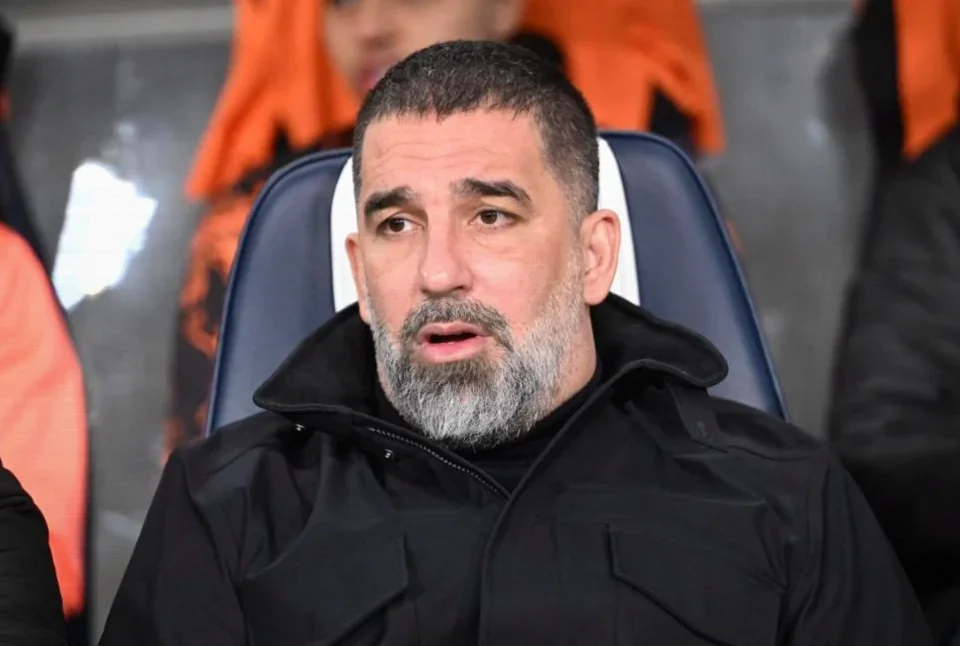
For Shakhtar Donetsk, Wednesday’s Champions League visit to Inter begins long before the first whistle in Milan. Arda Turan’s players arrive carrying the familiar weight of a journey from a country at war, where football has become both a demanding logistical exercise and a brief source of relief for supporters living through daily danger.
Key takeaways
- Shakhtar’s away travel commonly takes between 14 and 16 hours by bus and train.
- Turan says the club’s matches represent hope for Ukrainians rather than only sporting competition.
- In his first season, the Turkish coach led Shakhtar to the league title and the Conference League semi-finals.
- Shakhtar now want to show they can challenge at Champions League level.
- Turan has praised Cristian Chivu’s work at Inter and regards the Italian side as capable of winning in any competition.
A team travelling through a war
Turan said it is not unusual for Shakhtar’s squad to be unable to return home after matches. Since Russia’s war in Ukraine began, the club’s fixtures have involved lengthy cross-border travel, with players spending hours on coaches and trains before they can focus on football.
“Our trips average 14 to 16 hours,” Turan said. “We have to account not just for the schedule of games, but for the fatigue created by those journeys.”
He was clear that Shakhtar do not seek sympathy through their circumstances, but believes the reality in Ukraine should never be treated as routine. People are dying every day, he said, while communities continue to show striking resilience and retain their desire to live normally.
For that reason, he considers complaints from inside the club secondary. Ukrainians have refused to let ordinary life disappear, and Shakhtar can offer a few hours of happiness. “We are not merely a football team,” he said. “We stand for the hope of a country.”
One encounter last year sharpened that perspective. Shakhtar had lost 4-1 to LNZ a day after Lviv came under a major attack, forcing residents to spend the night in shelters. Turan was angry with the result until he met Roman, an eight-year-old Shakhtar supporter.
The boy’s home had been hit, he had lost his mother and had undergone 35 operations. Roman told Turan not to be sad, explaining that life contains good days and bad ones and that people must keep moving forward.
Turan said the meeting changed his outlook. Footballers and coaches must honour their work and try to make people happy, he said, but must remember that the game matters less than real life. He has remained in contact with Roman, and they meet whenever possible.
Identity, inspiration and the Milan test
Turan arrived at Shakhtar around a year and a half ago and found a gifted group that, in his view, needed a stronger collective identity. His first campaign produced the domestic championship and a run to the Conference League semi-finals. The next ambition is to make an impression among Europe’s elite.
He describes a side with a settled approach: controlling matches, keeping possession and responding immediately after losing the ball. Yet he also acknowledges the exceptional difficulty of pursuing those aims amid Shakhtar’s wider circumstances, without wanting that reality to be read as an excuse.
Leaving his comfort zone was one reason Turan accepted the job. He wants his players to understand the setting in which they play and the responsibility they carry towards the people around the club. Once players answer those questions, he believes motivation comes from within rather than being imposed from outside.
The former Atletico Madrid midfielder has assembled his coaching ideas from several influential figures. Diego Simeone has informed his defensive thinking, while Luis Enrique is an attacking reference point. Fatih Terim has shaped his approach to player relationships and pressure, Ortega has influenced his pre-season work, and Germán Burgos is a model for set-piece organisation.
“A coach should not build an identity by copying just one person,” Turan said. “You learn from everyone, then bring those lessons into your own structure.”
Inter offer the next examination of that structure. Turan called the Nerazzurri one of world football’s great institutions and declined to revisit the prospect of joining them as a player a decade ago, saying he is focused on the present.
He reserved particular admiration for Chivu, crediting the Inter coach with an outstanding previous season and with restoring a winning direction in Serie A, which Turan regards as one of the world’s most demanding leagues. The energy visible in Inter’s play, he said, reflects a powerful connection between Chivu and his squad.
That bond can give a leading team an additional edge, Turan believes, and he sees Inter as capable of winning wherever they compete. He would not identify possible weaknesses in public, calling that disrespectful, although Shakhtar will naturally seek areas to exploit once the match begins.
In Milan, the contest will be a Champions League fixture with all the usual tactical stakes. For Shakhtar, it is also the latest stop on a much longer passage: a journey made in the name of a team, a displaced sporting routine and supporters for whom 90 minutes can still offer a momentary escape.