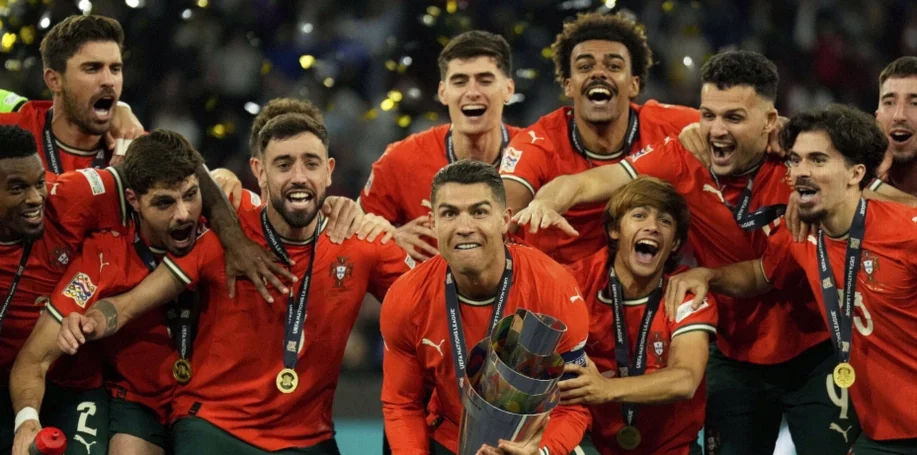
As clubs move through another demanding season, UEFA is set to recognise the players they release for international duty with an initial €31.5 million payment this week. The money forms the first instalment of the current Club Benefits Programme, a scheme intended to return part of national-team revenues to the sides that develop footballers and make them available for international matches.
The payment concerns the 2024-25 UEFA Nations League and is part of a wider €104 million allocation for clubs supplying players during the 2024-25 and 2026-27 Nations League editions, as well as the qualifying campaign for Euro 2028. Further instalments will follow once the relevant international competitions have been completed.
In total, the Euro 2028-linked programme is worth €244 million. That figure includes €4 million left over from the UEFA Euro 2024 scheme. Of the overall fund, €140 million has been reserved for clubs whose players take part in the Euro 2028 final tournament, while the remaining €104 million covers the Nations League and European qualifying windows.
The distribution model has not changed from the previous cycle. For Nations League matches and European qualifiers, clubs receive €3,845 for every occasion on which an eligible player is included on the official match sheet. The calculation for the Euro 2028 finals will instead be based on the number of days a player spends with his national side.
There are 611 clubs involved across UEFA’s member associations, extending well beyond the leading divisions to include a significant number of amateur teams. RB Leipzig will collect the largest single amount in this first round, receiving approximately €353,000 after releasing 16 players.
UEFA president Aleksander Čeferin said the programme was designed to reflect the importance of clubs in the national-team game. He said that professional and amateur sides alike contribute to player development and to the availability of players for their countries, adding that the distribution of Nations League and European Championship revenues should ensure that the wider football system benefits when the game is flourishing.
For Serie A clubs, as for their counterparts across Europe, the payments are a small but meaningful acknowledgement of an obligation that runs alongside the league calendar: players belong to the weekly life of their clubs, but repeatedly leave to carry their form, fitness and responsibility into international football.