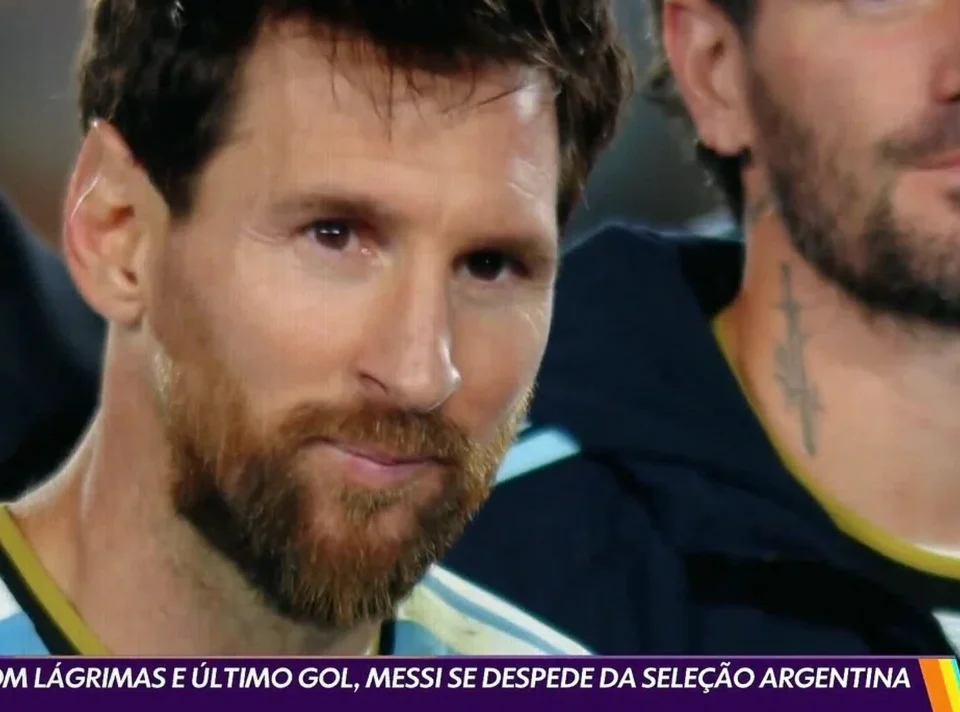
In Buenos Aires, where Lionel Messi’s No. 10 has long been part of the city’s football landscape, Argentina are now confronting a practical limit on any permanent tribute. The captain has ended his international career after a record-laden era of trophies, tears and a final goal, but FIFA competition rules mean the national team cannot formally retire his famous shirt number.
Key takeaways
- Messi wore Argentina’s No. 10 from 2009 until his international farewell.
- FIFA requires squads at the 2026 World Cup to use shirt numbers from 1 to 26.
- Argentina may leave No. 10 unused for friendly matches where the applicable regulations allow it.
- The Argentine Football Association previously failed in an attempt to withdraw No. 10 for Diego Maradona.
- Messi won two Copa América titles, the Finalissima and the World Cup with Argentina.
A number FIFA will not remove
International tournament squad regulations require participating nations to allocate numbers within the designated range for every registered player. At the 2026 World Cup, teams could name up to 26 players and had to assign the numbers 1 through 26.
That framework prevents Argentina from taking No. 10 out of circulation permanently in Messi’s honour. The restriction does not compel the team to select a player in that shirt for every fixture, however. For non-competitive internationals, Argentina can choose to field no No. 10, provided the match regulations permit it.
It is a familiar issue for the Argentine Football Association. Before the 2002 World Cup, it sought to retire the same number as a tribute to Maradona, whose association with the shirt shaped an earlier generation. FIFA’s numbering requirements stopped that proposal from being carried through.
Messi’s closing chapter in sky blue and white
Messi inherited Argentina’s No. 10 in 2009 and made it inseparable from the most successful period of his international career. He helped end the country’s long wait for a senior title at the 2021 Copa América, followed by victory over Italy in the 2022 Finalissima and the World Cup triumph in Qatar.
Argentina added another Copa América in 2024, while Messi also played a leading role in the side’s run to second place at the 2026 World Cup. His final international appearance brought an emotional departure, with Messi saying he was proud to be Argentine even through the difficult moments.
A penalty against Benin formed part of the final scoring images attached to his Argentina farewell. As he returns to Inter Miami, the next personal landmark in view is his 1,000th career goal, while Argentina must decide how often—if at all—to place another player beneath the No. 10 that defined both Messi and the national team’s modern revival.