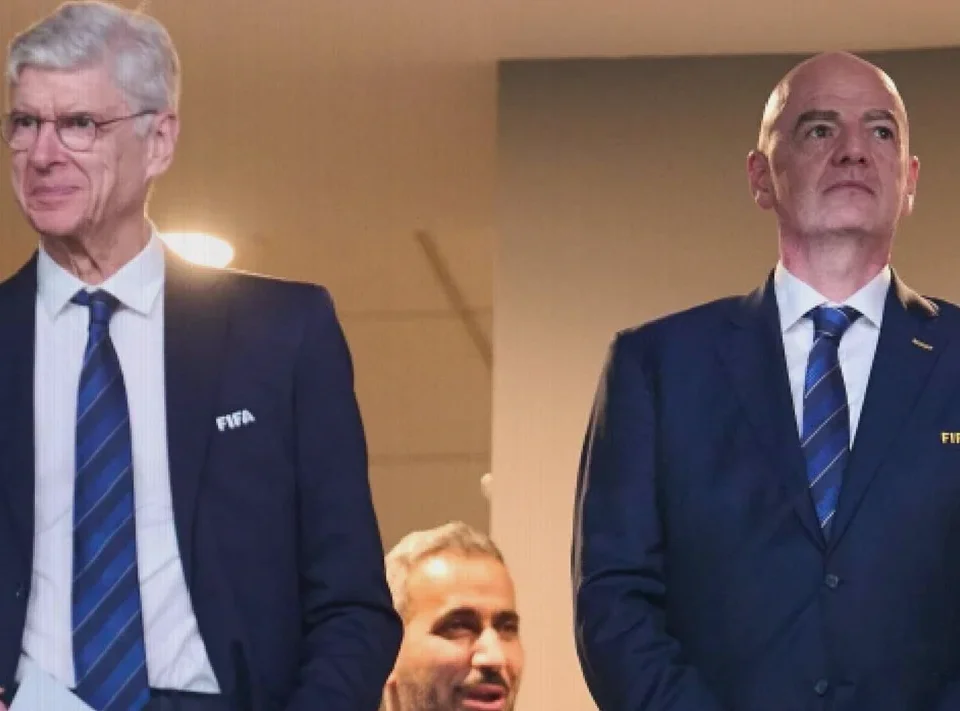
Zurich has long been the place where football’s grand institutions gather behind closed doors, but the meeting held there on Thursday 15 October has set the stage for an unusually open contest. Arsène Wenger, the former Arsenal manager whose influence has stretched from north London to FIFA’s technical work, has emerged as the leading figure in a proposed challenge to Gianni Infantino’s presidency.
UEFA and Concacaf have agreed to seek an opposition candidate after Infantino, the Swiss president of world football’s governing body, lost the backing of most confederations at the FIFA Council gathering. The vote itself remains some distance away, yet the manoeuvring has begun across Europe, North and Central America, with Rabat set to become the next decisive stop on the football map.
A three-person opposition field
The federations organising the challenge have until 18 November 2026 to submit their candidates formally. Wenger is regarded as the principal option, though the wider shortlist also includes Lise Klaveness and Michele Kang.
Klaveness, the Norwegian Football Federation president, and Kang, the businesswoman and owner involved in women’s football on both sides of the Atlantic, give the group alternatives should it decide that Wenger is not the final standard-bearer. His standing, however, remains distinctive: a coach associated with Arsenal’s modern era, later brought into FIFA to work on global football development, now potentially returning to the organisation’s centre of power in a very different capacity.
Two other names have been removed from consideration. Nasser Al-Khelaïfi is no longer in the frame because of legal controversies surrounding the Qatari executive, while Victor Montagliani will remain in his role as Concacaf president rather than enter the FIFA contest.
- Arsène Wenger
- Lise Klaveness
- Michele Kang
Rabat vote and the financial argument
FIFA’s member associations are due to elect the president on 18 March 2027 in Rabat, Morocco. Infantino intends to seek another term despite the mounting resistance, presenting a financial offer that would allocate $15 million to every federation during the next budget cycle.
His platform also includes a FIFA surplus solidarity programme planned for 2027 to 2030. For many smaller associations, such funding carries obvious weight; for opponents, it arrives amid deeper concern about the direction of the governing body.
The sharpest reaction has followed the proposed FIFA Forward Enterprise, a subsidiary designed to market broadcasting and sponsorship rights for competitions including the World Cup while bringing private investment capital into the arrangement. That proposal has turned administrative unease into a broader political dispute, leaving football’s confederations to weigh money, influence and the future control of the game before they reach Morocco next spring.