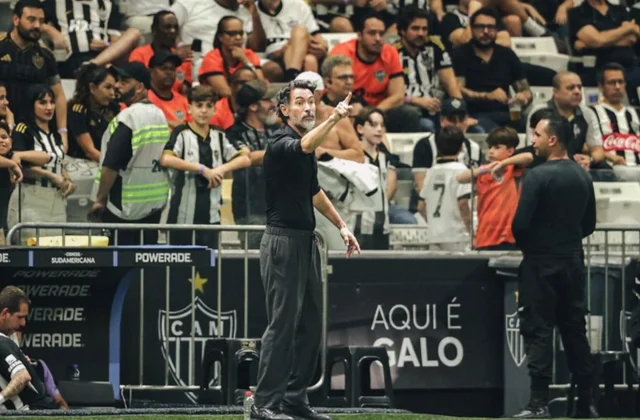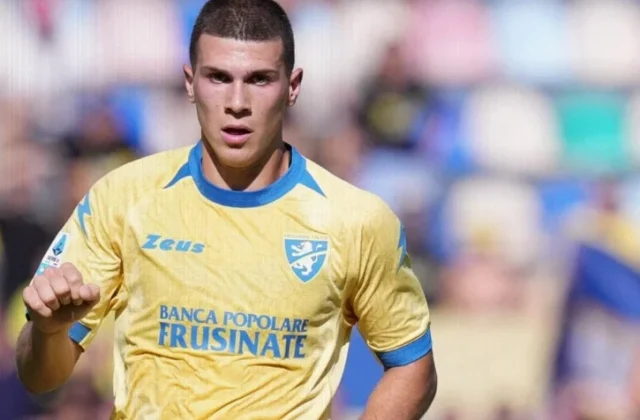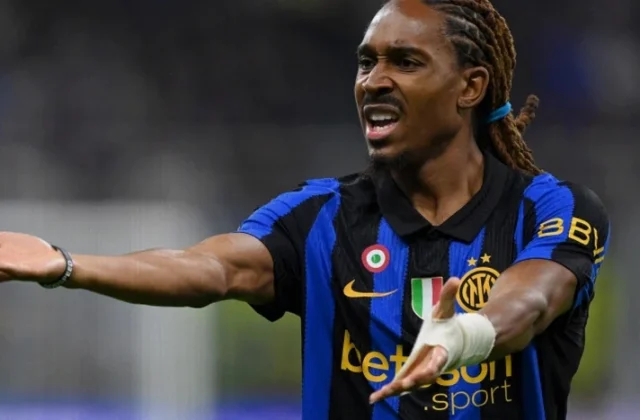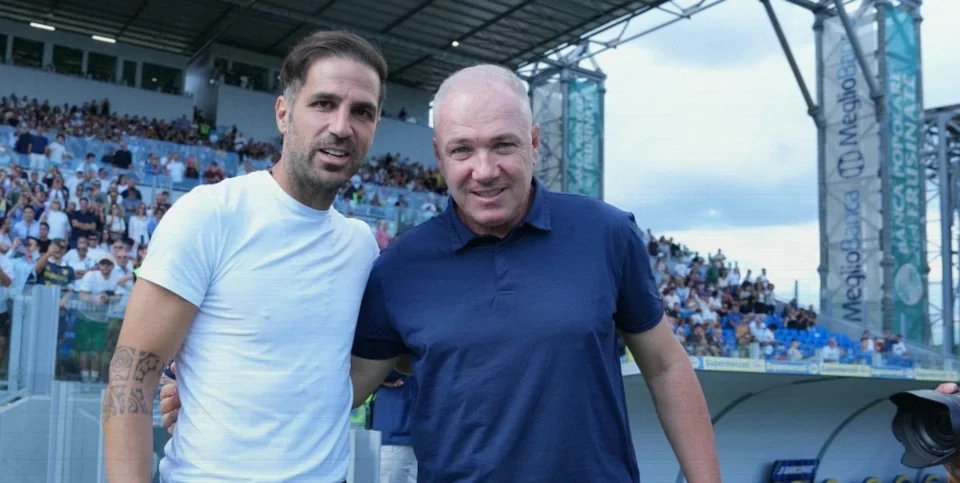
Silvio Baldini’s support for Massimiliano Alvini in Frosinone’s meeting with Como was enough to stir an old Italian debate: what, exactly, does a club owe the national game? Baldini said he had backed Alvini because Frosinone “represents Italian football more strongly”, a judgement that sounded sharper than it was.
The numbers explain his point. Frosinone began Sunday’s match with seven Italian players in the starting line-up, while Como had none. Across the opening five matchdays, Alvini had handed roughly 3,500 minutes to Italian footballers; Cesc Fabregas’s total stood at 250. For anyone who watches the league with the eye of a national-team selector, the distinction is obvious. A side offering opportunities to a larger pool of eligible players will naturally seem closer to the interests of Italian football.
That does not make Fabregas an opponent of the Italian game. His contribution simply cannot be measured through call-ups or domestic-player minutes. Over three years at Como, he has pressed a different argument: that success can be built through courage and an identifiable style, rather than through caution alone. His work has brought the club closer to the football associated with Spain and Paris Saint-Germain, the teams setting the European standard, and has encouraged others to consider the same path.
Italian football has seen that sort of influence before. Arrigo Sacchi changed expectations in his era, while Gian Piero Gasperini has supplied a similarly lasting reference point over the past decade. Fabregas belongs in that conversation as a cultural influence rather than a rival to coaches who place more Italians on the pitch.
Alvini, meanwhile, is not merely a defender of his own penalty area. His Frosinone showed against Como that it can protect itself, but its position near the top has also been built on ideas and bravery. The divide between the two coaches is therefore less absolute than the argument surrounding Baldini’s words suggested.
Fabregas knows how to organise a team without the ball — Como had the best defence in the previous championship — yet his larger value lies in pushing Italian habits forward. If he selected an all-Italian XI only to play deep and wait for counter-attacks, he would arguably offer less than he does now through a more ambitious model, even with few Italian players involved.
Johan Cruyff once blended the aggressive principles of Dutch football with Spain’s passing tradition, creating conditions from which Pep Guardiola and many later triumphs emerged. Fabregas is not being asked to repeat that history, but the comparison captures the wider point. He can add fresh knowledge to Italy’s game while respecting its defensive intelligence. In that sense, Baldini’s debate need not have enemies at all: Italian football can count Fabregas among its friends — perhaps even call him Francesco.