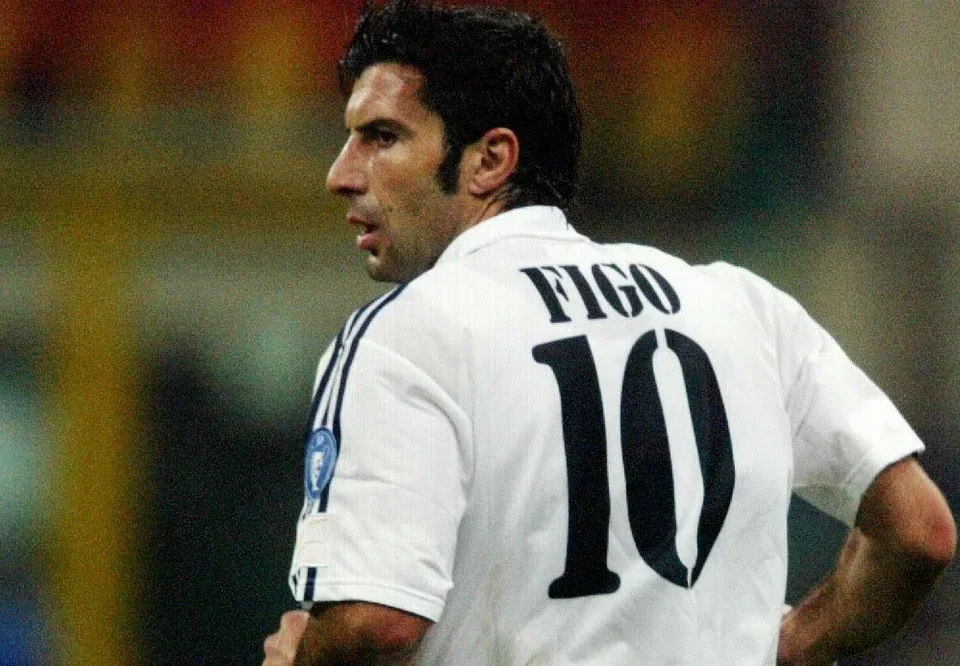
In Barcelona, commercial negotiations rarely belong only to the boardroom. The club’s search for a new financial partner, following the end of its agreement with CaixaBank around a year ago, has brought one old fault line in Catalan football back into view: Luís Figo’s departure for Real Madrid in 2000.
Joan Laporta’s board has considered a range of proposals while looking for a replacement partner, including an approach from Revolut. The digital bank is understood to have presented financially attractive terms and arrives with a growing international profile, as well as established links across European football. Yet the discussions did not lead to an agreement.
A football presence across Europe
Revolut has already made football part of its wider expansion. In England, it is an official Manchester City sponsor, with its branding displayed on the back of the shirts worn by both the club’s men’s and women’s teams. In northern Italy, it is the principal sponsor of Serie A side Como 1907.
Those partnerships made the company a credible candidate for Barcelona’s commercial portfolio. But its advertising association with Figo proved too sensitive for a club whose supporters have not forgotten the Portuguese midfielder’s move from Camp Nou to the Spanish capital more than two decades ago.
Figo had been one of Barcelona’s leading players before joining their fiercest sporting rival in 2000, a transfer that remains among the defining ruptures in the modern history of the rivalry. His image now features in Revolut advertising, and Barcelona concluded that a partnership with a brand so publicly linked to him could provoke an unwelcome reaction among its fanbase.
The proposed deal was therefore set aside despite the economic appeal of Revolut’s offer. In a city where sponsorships are often tied to memory as much as money, Figo’s name has again carried weight in Barcelona—this time in a negotiation far removed from the pitch.