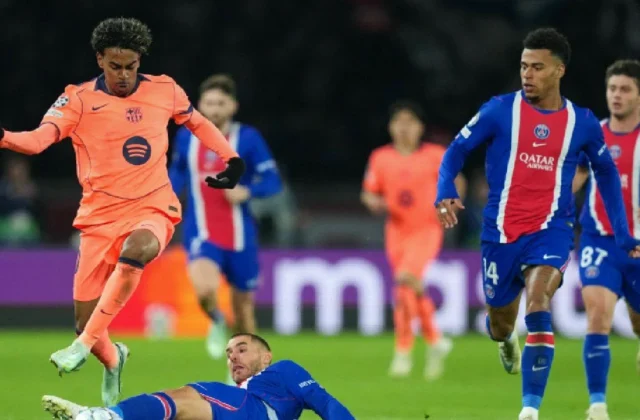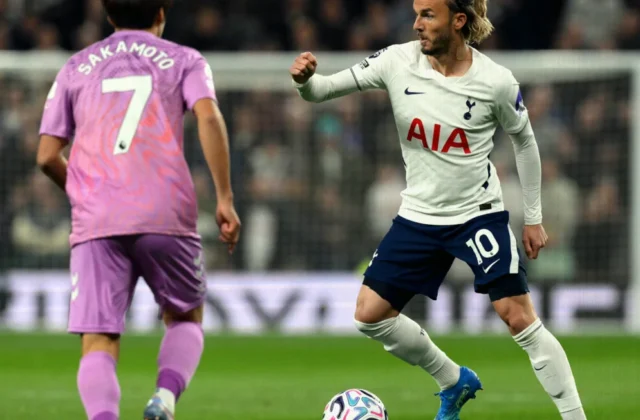

Madrid and Barcelona have taken sharply different routes into the new season, despite matching each other with six senior summer arrivals. After seven LaLiga rounds and one Champions League fixture, Barcelona’s newcomers have flourished within Hansi Flick’s winning start, while José Mourinho is still balancing roles and minutes among Real Madrid’s expensive overhaul.
Key takeaways
- Barcelona have won all eight competitive matches, scoring 36 times at an average of 4.5 goals per game.
- The Barcelona signings have combined for six goals and nine assists, compared with two goals and two assists from Madrid’s new players.
- Real Madrid spent €225 million on their six arrivals, with Yan Diomandé’s €125 million move from RB Leipzig the biggest deal of the summer.
- Barcelona’s six senior recruits cost about €165 million, while the club also brought in a player for Barcelona Atlètic.
- Ibrahima Konaté has immediately become a Mourinho regular, starting each of his seven appearances for Madrid.
- Anthony Gordon leads Barcelona’s new arrivals for creativity, having supplied five assists in seven outings.
Madrid’s new faces search for a settled place
Real Madrid rebuilt across the pitch, signing three defenders, two forwards and a midfielder. Diomandé alone represented more than half of the outlay after arriving from Leipzig for €125 million, while Bernardo Silva and Konaté joined on free transfers following the expiry of their Manchester City and Liverpool contracts respectively.
Diomandé has featured in all eight matches but has begun only twice. The winger has played 292 minutes and registered one assist, offering flashes of pace and dribbling without yet claiming a regular starting berth.
Bernardo’s first months in the capital have been less consistent. He has made six appearances, three from the start, for 282 minutes, contributing an assist but no goal. After initially being selected in the side, the Portuguese midfielder has seen his prominence reduced.
Konaté, by contrast, has quickly become central to Mourinho’s plans. The French centre-back has started all seven of his appearances and accumulated 630 minutes, absent only for the match against Málaga. His availability and immediate authority have made him one of the most heavily used arrivals.
Marc Cucurella joined from Chelsea for €55 million and has been involved throughout the opening stretch. The left-back has played eight times, starting five, for roughly 520 minutes. He has neither scored nor assisted, but has alternated effectively between starts and substitute appearances.
On the opposite flank, Denzel Dumfries has recorded seven outings after his €20 million transfer from Inter. Six were starts and the other lasted only a minute, taking him to about 505 minutes. The Dutchman is also waiting for his first goal contribution.
The sharpest impact per minute has come from Carlos Espí. Madrid paid Levante €25 million, activating his release clause, and Mourinho has used the forward mainly as a late attacking option. Espí has scored twice in just 36 minutes across five appearances, although his Champions League involvement amounted to one minute.
His domestic cameos have been brief: 10 minutes against Espanyol, four versus Real Sociedad, eight against Betis and three against Elche. He remained unused against Málaga, Rayo Vallecano and Atlético Madrid, underlining how limited his current opportunities have been despite his clinical return.
Barcelona’s momentum carries the arrivals
Barcelona’s recruitment has benefited from a side already moving at full speed. Flick’s team have won every game so far and their 36 goals have created a favourable setting for six arrivals: three forwards, two defenders and midfielder Rodri. Their combined output of six goals and nine assists has given the Catalan start an added edge.
Karim Adeyemi has made an early attacking mark despite often beginning on the bench. In LaLiga, he has played 305 minutes across seven matches, scoring twice and creating two goals. He has started only three times, yet his overall record in all competitions stands at three goals and two assists.
João Cancelo has also had an influential, if not automatic, role at left-back. Across seven games he has logged 296 minutes, with three starts, one goal and two assists. One further effort was not credited to him after the ball rebounded off an opponent’s back, while two of his strikes from distance have stood out. His last two league appearances have both been starts after an earlier spell under Xavi Espart.
Gordon has been especially productive as a creator. The English winger has played 424 minutes in seven matches and has five assists, even though he has yet to score. That return places him among the leading assist providers in Europe’s major leagues in the opening weeks.
Rodri has been introduced steadily after joining Barcelona and is beginning to carry greater responsibility in the first phase of possession. His seven appearances have brought 439 minutes, without a goal or assist, but his contribution has been rooted in control and circulation rather than final-third numbers.
Gabriel Jesus arrived close to the end of the window in a low-cost deal linked to Julián Álvarez. The Brazilian has played four times — three league matches and one Champions League tie — without starting, with Raphinha in excellent form ahead of him. Like Espí in Madrid, Jesus has made the most of limited time, scoring twice in 41 minutes.
Dominik Livaković has had little chance to challenge for Barcelona’s goalkeeping role. Joan García remains the first choice and Szczęsny is no longer in the picture. Livaković’s only appearance was the full LaLiga match against Sevilla, and he has not yet featured in Europe.