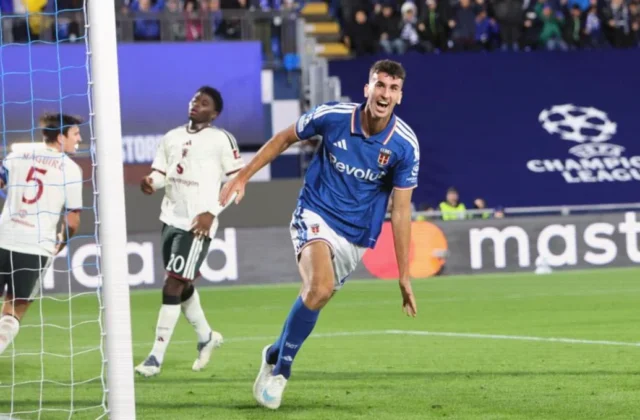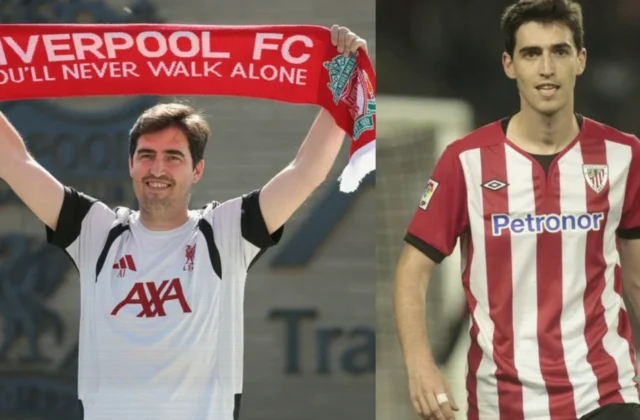
Stadium vlogging is becoming a Bundesliga issue before it becomes a formal league policy. Creators can reach millions with travel clips, matchday footage and commentary from the stands. Clubs, fan groups and rights holders are now drawing clearer lines around commercial filming.
- ViscaBarca has close to two million YouTube subscribers and regularly posts stadium-visit videos.
- He attended Jürgen Klopp’s first match as Germany coach, the Nations League fixture against the Netherlands in Amsterdam.
- Dynamo Dresden has barred commercial stadium vlogs at home matches.
- Hansa Rostock permits private photos and videos under its stadium rules, but not commercial recordings.
- Karlsruher SC has opened talks between fan representatives and known stadium influencers after opposition from its Supporters fan umbrella group.
- FIFA gave about 30 international content creators access to press conferences, internal areas and training grounds at the summer World Cup.
- Those creators were tasked with supporter-focused material, such as team-bus arrivals, rather than conventional match reports.
What it changes in the Bundesliga week
The pressure point is the active stand. Supporters object to constant filming and spoken-to-camera content beside them, particularly where organised fan groups prepare displays and songs. Their complaint is not against private memories. It is against fan culture being used as a commercial backdrop.
Armin Popp of the Unsere Kurve fan alliance said stadiums should remain emotional places for supporters, not production spaces for influencers. In his view, clubs must use their house rules to set boundaries on monetised content.
Karlsruhe’s Supporters group made a similar case, arguing that supporter culture is neither a lifestyle commodity nor a tool for personal promotion. The club has chosen dialogue rather than an immediate blanket ban.
There is also a rights issue. Broadcasters pay heavily for match footage. Clubs and competitions can accredit a limited number of creators, while using TikTok and Instagram to reach younger audiences beyond traditional sports media.
That creates a narrow route for the Bundesliga. Controlled creator access can extend reach. Unrestricted filming risks disturbing spectators, exposing sensitive areas and frustrating broadcast partners.
Sports scientist Thomas Horky sees stadium vloggers as adjacent to journalism: they perform some of the same practical work, but generally without journalistic training and with self-promotion as the main purpose. He expects changing audience habits to force established sports media to adapt.
The immediate Bundesliga question is not whether creators belong around football. It is where they can work, what they may record and when commercial content begins to conflict with fans and media rights.