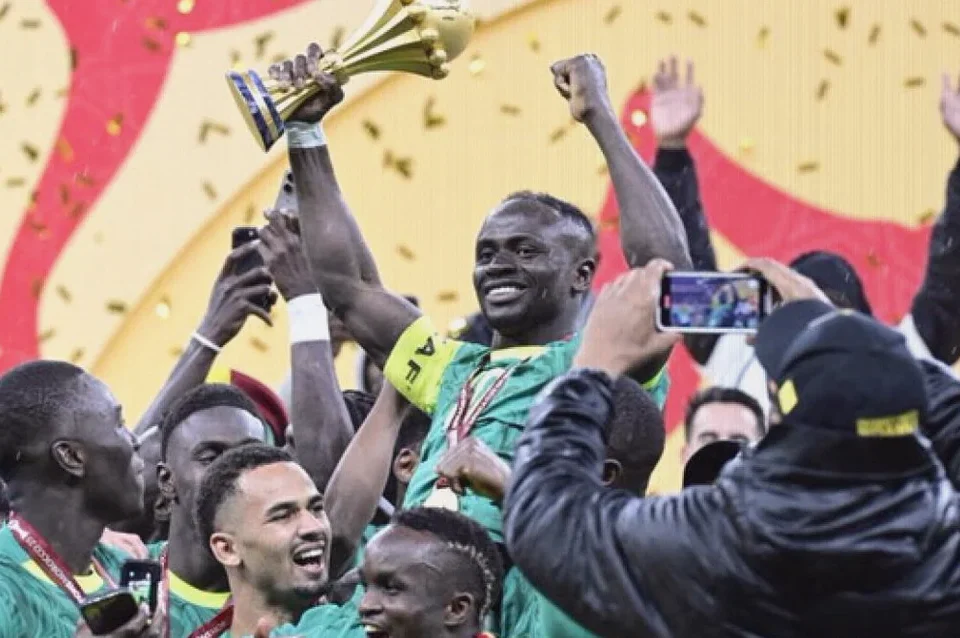
Lausanne will host the next chapter of an African final that has travelled far beyond Rabat. Nearly 10 months after Senegal beat Morocco to win the Africa Cup of Nations, the Court of Arbitration for Sport will hear Senegal’s challenge to the subsequent ruling that awarded the match to Morocco by forfeit.
A closed hearing in Lausanne
The case is scheduled for Thursday morning, beginning at 9:30 local time, with proceedings held behind closed doors. No verdict is expected on the day, although the court has indicated that its decision will follow promptly.
- Gérald Simon of France will sit on the panel.
- Italy’s Luigi Fumagalli is also due to hear the case.
- German arbitrator Ulrich Haas completes the three-member panel.
- Representatives of the Senegalese Football Federation, the Royal Moroccan Football Federation and the Confederation of African Football will all be present.
The night Rabat descended into confusion
Senegal had originally secured the continental crown on 18 January, defeating hosts Morocco 1-0 after extra time in Rabat. Yet the final became defined as much by its late disorder as by the eventual result.
Morocco were awarded a penalty in stoppage time, a decision fiercely disputed by Senegal. A significant number of Senegal players left the pitch during the protests and did not return for 15 minutes. Brahim Díaz ultimately missed the penalty, before Senegal went on to prevail in extra time.
CAF’s forfeit ruling
Morocco’s federation appealed after the final, and CAF issued its decision on 17 March. The governing body ruled that Senegal had forfeited the fixture through non-appearance and recorded the result as a 3-0 Morocco victory.
Senegal’s federation reacted in stark terms, describing the ruling as “the most blatant administrative theft in the history of our sport”.
Thursday’s hearing will allow each federation and CAF to set out its position before the Lausanne panel. The trophy night in the Moroccan capital remains in the record, but the legal outcome of that final now rests with the sport’s highest arbitration court.