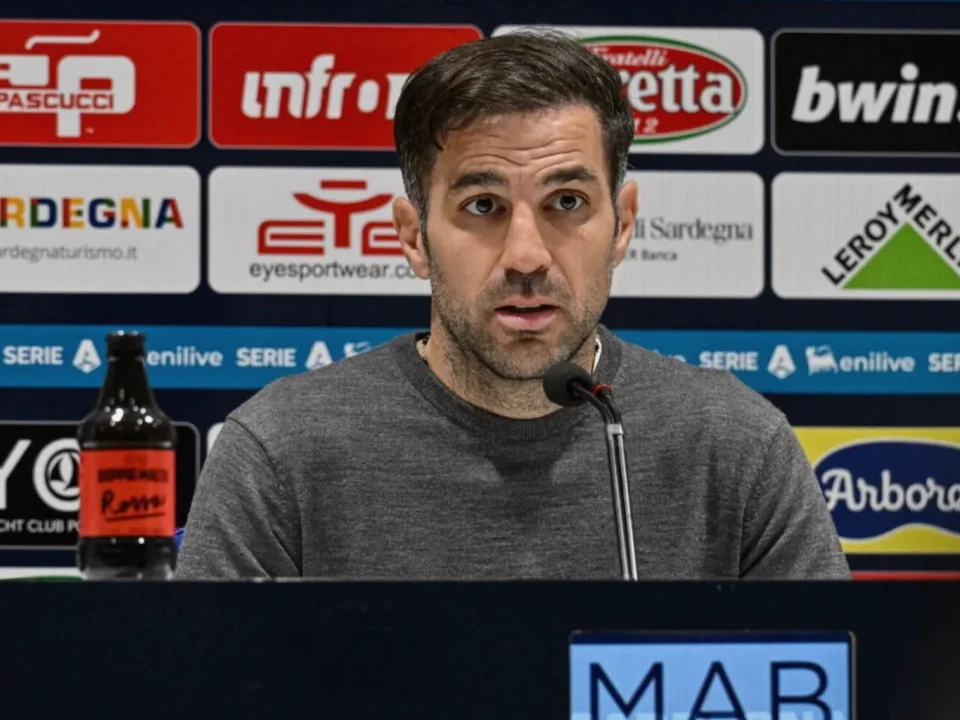
Como’s European story moves from the exhilaration of Leipzig to the unfamiliar demands of Rotterdam, where Cesc Fabregas will take his side to Feyenoord on Wednesday for an 18:45 kick-off. The 4-1 home win over Leipzig in their Champions League opener gave the club a remarkable first taste of the competition, but the next step is equally significant: the first European away match of the season.
Fabregas has made no secret of the fact that this is new territory, both for Como and for him as a coach. Asked how he would manage his squad through the new rhythm of fixtures, he admitted there is no established formula yet. “I don’t know,” he said. “It is the first time in the club’s history that we are doing this, and the first time for me in my career. Many players made their Champions League debut against Leipzig. We are growing steadily. We know we will be judged on results, but we are living a dream that, little by little, has to become reality.”
The coach’s calm reflects a broader view of Como’s rise. He wants to involve as many members of the group as possible, believing their work has earned that opportunity, while recognising that the project remains at an early stage. Fabregas said that anyone who has built something understands the difference between its first day and its tenth year. He praised the way his players compete, insisted he has not forgotten what they have achieved, and stressed that Como’s history still has to be written over a long period rather than measured by one extraordinary night.
Nico Paz remains central to that development. Although the attacking midfielder is naturally assessed through goals and assists, Fabregas pointed to the influence he had against Roma, saying that two or three of the match’s most important moves passed through him. The Spaniard described Paz as decisive and talented, while underlining that he is only in his third professional season. International travel and appearances with the national team have added to the player’s schedule, but Fabregas sees no reason for concern: fluctuations are normal for a young footballer, particularly one learning at such speed. “I always see him in a very good place,” he said. “He wants to learn and improve.”
The occasion also brings Fabregas back together with Giovanni van Bronckhorst, now leading Feyenoord. Their playing careers crossed on football’s greatest stages, including a Champions League final and a World Cup final, and Fabregas spoke warmly of his former opponent. He called van Bronckhorst a great person and player, and said he is proving himself to be an excellent coach.
Fabregas also recalled the contrast between those finals. The World Cup remains the finest prize a player can lift, he said, while the Champions League defeat still hurt deeply. Yet that belongs to a previous career. In Rotterdam, the former midfielder returns not as a finalist chasing a medal, but as the coach of a club learning how to carry its ambition across Europe.