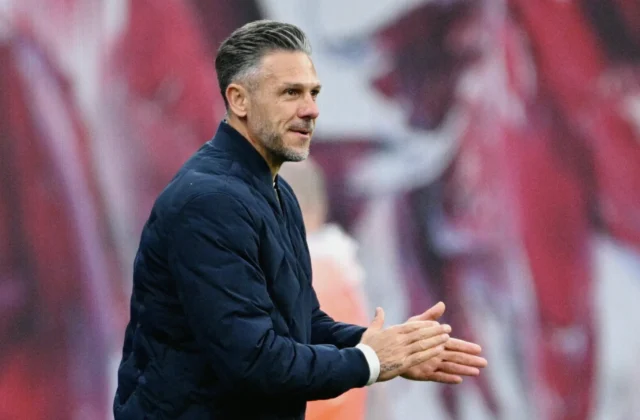
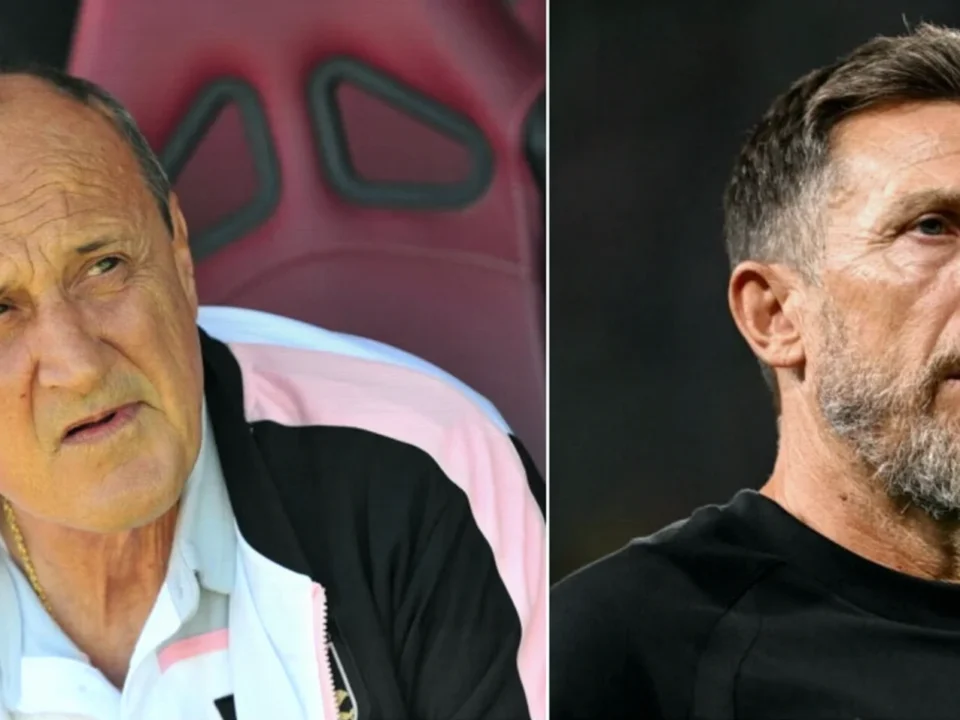
Lecce arrive at Sunday’s meeting with Juventus carrying the confidence of a 3-0 win at Udinese, while the Bianconeri must respond after losing by the same scoreline to Lazio at the Allianz Stadium. At the Via del Mare, the two clubs will meet with very different moods, and with the Salento side seeking the kind of result that can mark a season.
The coach and the club
Delio Rossi sees the fixture as especially delicate for Juventus, given their difficult spell, while Lecce have begun well and are progressing within their own targets. In his view, the club have already created an important recent history and could add another chapter if they maintain this course.
The victory in Udine made an impression not simply because of the score, but because of the authority Lecce showed on a traditionally awkward ground. Rossi admitted that he had not expected such a clear outcome, particularly because Udinese had assembled a strong squad.
He also believes Eusebio Di Francesco has rapidly imposed a recognisable identity despite summer changes in the group. Rossi said Di Francesco’s teams have consistently produced good football and suggested that setbacks in previous jobs had obscured the quality of his work.
For Rossi, coaches are too often judged almost entirely by their most recent results. He pointed to Massimiliano Allegri, who is now being treated as though his career has faded despite being among the most successful coaches in Italian football. The missed Champions League qualification with Milan and the troubled start at Napoli have shaped the current conversation, he said, just as Di Francesco’s recent disappointments had done.
Continuity has been significant for Di Francesco in Lecce. Rossi feels that staying on from the previous campaign, in which the coach had already achieved an important result with the Giallorossi, has allowed the work to develop.
The Via del Mare and the size of the task
A full stadium can give Lecce a considerable lift, though Rossi does not expect Juventus to be intimidated by a loud occasion. The Turin club are accustomed to intense stadiums. The greater value lies in what the support gives the home side.
In southern Italy, and in Puglia in particular, football clubs carry a significance beyond the pitch. Rossi noted Lecce’s connection with their public, visible not only at home but also in the numbers that follow them away. That backing, he believes, can make a positive difference on Sunday.
The formula for upsetting Juventus remains simple: Lecce must play better on the day and also need fortune to be on their side. Rossi rejected the idea that the absence of recent major wins against leading clubs is a question of mentality. The gap is principally economic and technical, with Italian football divided by the differing resources and squad strength of its teams. A result against one of the biggest sides therefore demands an exceptional performance.
A memory from Turin
Rossi knows what such an achievement feels like. In 2004, his Lecce defeated Marcello Lippi’s Juventus 4-3 at the Delle Alpi, against a side featuring Gianluigi Buffon, Pavel Nedved, David Trezeguet and Alessandro Del Piero.
He places that afternoon among his finest moments as Lecce coach, alongside the 2-1 win over Inter one week later, a result that secured Serie A survival.
- On the bus journey to the Delle Alpi, Rossi noticed his young forward Arouna Konan watching the animated film Bambi.
- Rossi wondered how a player preparing for a trip to Juventus could be watching a cartoon immediately before such a major match.
- Konan then scored twice in the 4-3 victory, turning an unusual pre-match routine into a lasting memory.
That Lecce side included younger players such as Cristian Ledesma, Konan, Valeri Bojinov and Mirko Vucinic. Rossi said every player has his own way of preparing: some pray and others listen to music. Konan’s choice was unlike anything he had seen, but it also served as a reminder that appearances can deceive.
Lazio’s rise and Fiorentina’s time
Elsewhere in the championship, Rossi has been struck by Lazio’s development under Gennaro Gattuso. Lazio are level with Inter at the top of the table, although there had initially been considerable doubt around the coach.
Rossi lives near Lazio’s training centre and was aware of that early scepticism. Yet he knew Gattuso well, having brought him back to Italy from Rangers to Salernitana before the former midfielder’s later move to Milan. Rossi believed from the outset that Gattuso was the right figure for the role and the moment: a coach willing to embrace a major challenge.
Gattuso has gone beyond the brightest expectations, Rossi said. He described him as a humble figure rather than a glamorous or attention-seeking one, shaped by a career that began in Calabria and took him through an extraordinary playing journey. His decisions to coach at Crete and Sion showed, in Rossi’s view, a man driven by a deep appetite for particular challenges.
That hunger is now visible in a Lazio side that is winning while also playing well. Rossi believes Gattuso is demonstrating modern ideas and laying the foundations for a potentially successful project.
Fiorentina’s latest start has been more surprising to Rossi, but he urged patience after only seven rounds. With limited financial capacity across much of Italian football, several clubs completed additions after the season had begun. Form can change sharply over two or three matches, and Rossi feels Fiorentina possess the means to climb the table and produce a campaign different from last year’s.
A more flowing Serie A
Rossi has welcomed the current approach to refereeing, which he feels has created fewer interruptions, fewer players remaining on the ground and a more dynamic spectacle. Errors can still happen, he said, but they remain part of the game.
He sees a more balanced league, even if the underlying hierarchy of squad values is not radically different from previous seasons. For clubs such as Lecce, that balance offers room to build momentum — but matches against the established powers still carry their own scale of difficulty.
As for his own future, Rossi has not ruled out a return to the bench. He said coaching is the one profession he knows, joking that he cannot even change a light bulb. He accepts that some now associate him with an earlier era of football, perhaps because he has no agents and does not seek television exposure or footballing circles for visibility.
Rossi said he has never pursued a career based on being seen. If a club wants him, it knows how to reach him. Should the right call come, he would be happy to work again; if it does not, he will remain outside the game.