Juventus approach the next stretch of the season with a form of protection that extends beyond the pitch. The club still face the sporting and financial consequences of missing this season’s Champions League, yet the strength of their ownership gives the Bianconeri room to work without turning every result into an institutional emergency.
The coach and the club
Exor, Juventus’ largest shareholder and the central company in the Agnelli-Elkann family business, has reported a stronger cash position in its latest half-year accounts. Cash reserves have risen to €2 billion, while the group’s spending capacity, following a number of disposals, has reached approximately €4 billion.
That money is not presented as a Juventus budget, nor is a new capital increase currently planned. But it provides an important safety net should the club’s sporting position worsen and the deficit grow further after the loss of Champions League income. In such a scenario, the ownership would have the means to support the club through another recapitalisation, even if that option is being avoided for now.
For Juventus, the more immediate message is one of continuity. Their agreements with UEFA on financial fair play remain in place, and the summer recruitment campaign was conducted with strict financial discipline. The same approach is expected to guide the coming months.
There has also been a reshaping of the club’s management, alongside confirmation of trust in Luciano Spalletti. The coach was involved in the work to strengthen the squad, establishing a shared direction between the technical area and the ownership.
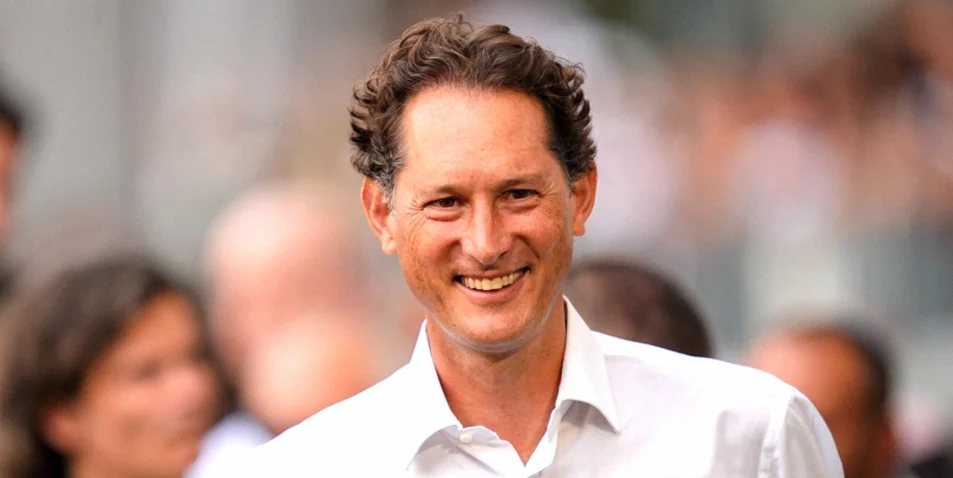
John Elkann’s view is that the current Juventus structure has the ingredients to return to prominence in Italy first, before gradually rebuilding its standing in Europe. It is a long-term ambition rather than a promise tied to one Sunday afternoon.
Exor’s wider financial capacity is also intended for investments beyond football. The holding company is looking at another significant operation, comparable in scale to its investment in Philips, as part of a broader diversification strategy that has improved its financial position.
Still, for Juventus supporters, the central point is simpler. The club remain backed by owners who have led it for more than a century: a stable presence behind a side that must now turn that security into results on the field.