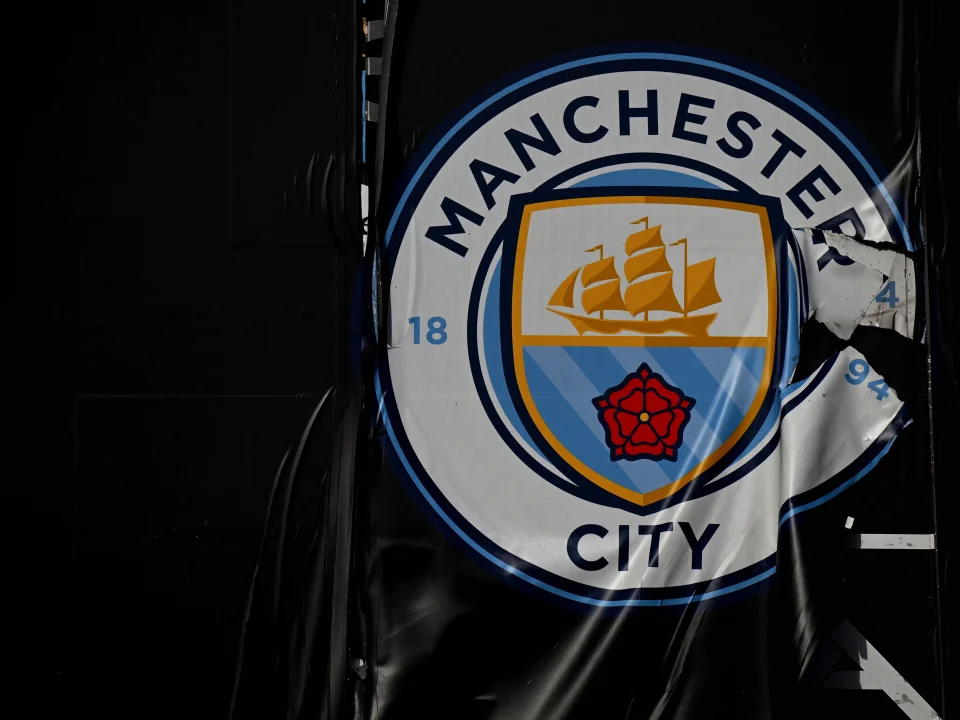
In Manchester, where the Etihad Stadium has become a familiar landmark of English football’s modern wealth, the City case has moved beyond the Premier League’s own disciplinary machinery. The Football Association has said it may take action of its own after an independent commission found the club guilty of financial-rule breaches, while stressing that it will wait for the appeal process to be completed before deciding whether to intervene.
The FA’s first formal statement on the matter underlined the wider significance it attaches to the ruling. It said the commission’s conclusions raise serious questions for the integrity of the game and confirmed that its authority can extend to disciplinary proceedings against clubs, as well as individuals found to have broken regulations or acted dishonestly.
“We are examining the decision and what follows from it with care, and will act where appropriate,” the FA said. “The proceedings between the Premier League and Manchester City are not yet over, so there will be no further comment at this stage. We will continue to follow developments closely.”
City have until Friday to lodge an appeal. Once that is received, the Premier League has 12 weeks to consider it, followed by a further 30 days to deliver its decision. The potential consequences range from a points deduction or transfer restrictions to removal from England’s top division, although the independent panel has said there is no directly comparable case in its previous rulings.
A case spanning nine seasons
The dispute began with Premier League charges brought in February 2023 after a four-year investigation. City were accused of more than 100 alleged breaches across nine years, concerning financial reporting, sponsorship income, player and staff remuneration, UEFA compliance and the club’s co-operation with the league’s inquiries.
The commission found that between 2009/10 and 2017/18 City had used false arrangements with several commercial partners, submitted misleading accounts and failed to present their real financial position to auditors and football regulators. It also concluded that the club had seriously exceeded spending limits imposed by both the Premier League and UEFA, while repeatedly failing in its obligations to co-operate and act in good faith.
At the centre of the findings were allegations that City had artificially increased revenues and lowered costs by more than £900 million. The case involved more than £830 million in improper payments linked to the club’s Abu Dhabi United Group owners, alongside image-rights agreements described as fictitious or inflated.
The panel also ruled against City over inaccurate financial information, sponsorship contracts connected to the club’s Abu Dhabi ownership, and undisclosed payments involving players and former manager Roberto Mancini.
The periods covered by the findings
The financial-information breaches cover the period from 2009/10 through 2017/18. Questions around the full disclosure of Mancini’s remuneration relate to the seasons from 2009/10 to 2012/13, while missing details concerning player payments span 2010/11 to 2015/16.
The ruling further covers alleged failures to meet UEFA licensing and Financial Fair Play requirements between 2013/14 and 2017/18, as well as Premier League profitability and sustainability rules from 2015/16 to 2017/18. A separate strand concerns City’s conduct during the Premier League investigation: the club was found not to have provided documents and information voluntarily from 2018 onwards.
For now, the immediate journey is procedural rather than sporting. The appeal will determine how the Premier League’s verdict is tested, and only after that route has been exhausted will the FA decide whether its own disciplinary powers should be used.