Manchester’s rise as a modern football capital has become entangled with a case reaching far beyond the Etihad Stadium. Manchester City have lodged an appeal after being found guilty of 114 financial-irregularity charges, opening a 12-week period that will determine whether the challenge succeeds and, if it does not, what final punishment the club will face.
The investigation has placed the alleged scale of the financial misconduct at more than €1 billion, with most of that money said to have originated in the United Arab Emirates. The consequences could extend beyond sporting penalties for City, touching on the people who have directed the club and on the wider commercial relationship between Britain and the Emirates.
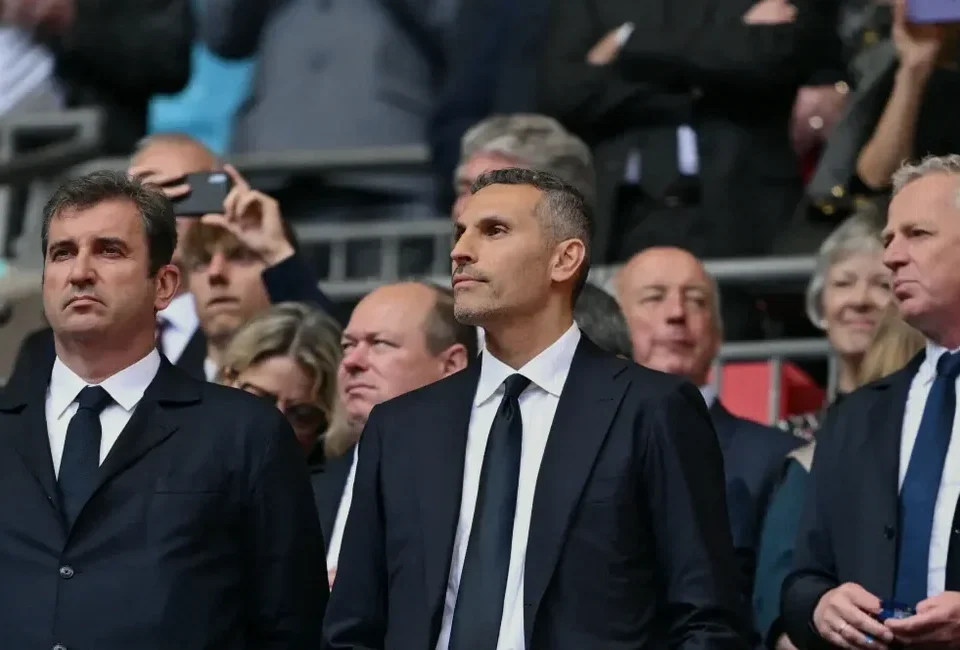
At the centre of that uncertainty is City chairman Sheikh Khaldoon Al Mubarak. He was not personally accused in the commission’s findings, but questions remain over whether a future sanction could involve senior figures at the club. The Independent Football Regulator has authority to disqualify owners, chairmen and executives, potentially bringing Mubarak within the scope of any wider action.
Legal proceedings against him would be especially difficult. Mubarak has held diplomatic immunity in the United Kingdom since 2020, a status that could complicate attempts to pursue any case connected to the Premier League’s dispute with City. Britain’s fraud authorities could also become involved if it were established that the club’s accounts had been falsified, which would raise issues under national law rather than only football regulations.
The case arrives against a backdrop of substantial Emirati investment in Britain. Since 2021, around €35 billion has been invested in the UK through the sovereign wealth fund Mubadala, a process led by Mubarak. That financial connection has added another dimension to a disciplinary process already carrying major implications for English football.
Andy Burnham said he would be “really concerned” if City’s owners chose to sell the club. He declined to discuss the disciplinary proceedings, but pointed to the ownership’s role in Manchester’s transformation and City’s emergence as a global force. For the city, the appeal is not simply about a club’s final sanction; it also concerns an era in which football, investment and international diplomacy have become closely linked.