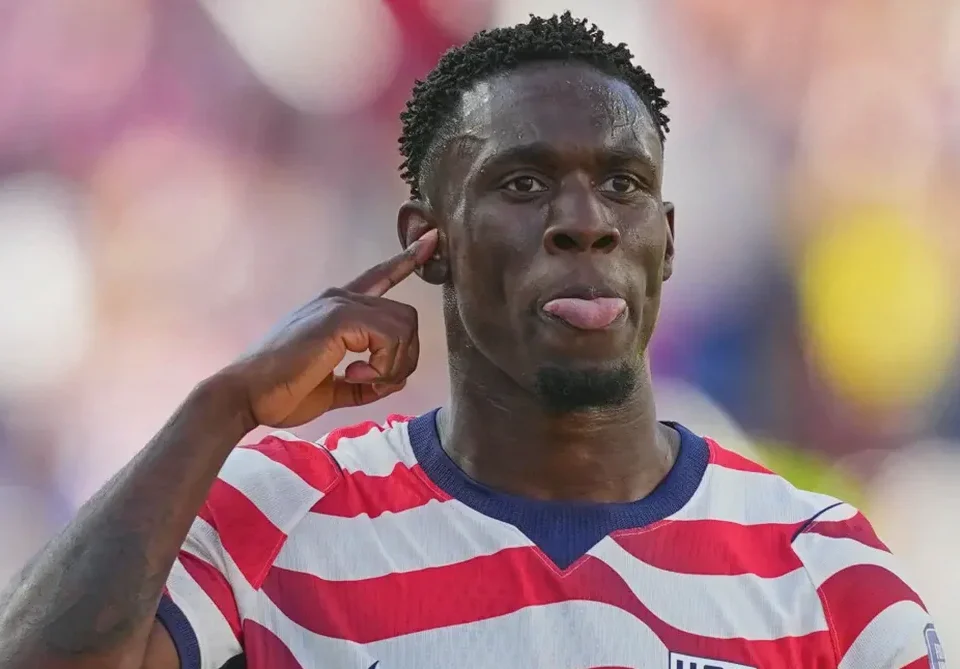
FIFA’s Council is set to confront the Folarin Balogun disciplinary controversy on Thursday, with the governing body expected to argue that its rules were insufficiently clear when it allowed the United States forward to play in the World Cup round of 16.
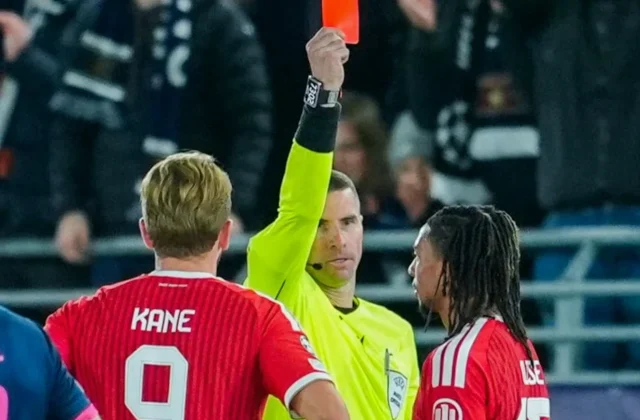
The dispute has remained one of the defining administrative flashpoints of the tournament staged in the United States, Mexico and Canada, which ended with Spain defeating Argentina in the final. Balogun had been sent off against Bosnia on July 1, a dismissal that ordinarily carries an automatic ban of at least one match. Yet he was cleared to face Belgium in the knockout phase after FIFA placed the suspension on probation rather than enforcing it immediately.
That decision followed reports that US President Donald Trump contacted FIFA president Gianni Infantino and asked for the incident to be reviewed. Trump himself said he did not believe Balogun’s challenge had been a foul. FIFA’s Disciplinary Committee has denied receiving political pressure in reaching its verdict.
A suspended ban and a Belgian exit
On July 6, FIFA said it had not cancelled Balogun’s red card. Instead, it imposed a $40,000 fine and a one-match suspension, then suspended that ban for a one-year probationary period. The arrangement made the striker available for the match against Belgium, which the Americans lost 4-1 to leave the competition.
Balogun later said that he initially thought the news was a “joke” when told he could play against Belgium, describing the outcome as “unreal.” His availability became even more contentious after the United States were eliminated, with Belgian authorities, UEFA and members of the European Parliament among those calling for the case to be examined.
The existing disciplinary framework states that a red card automatically triggers at least a one-game suspension. Over the past two decades, FIFA regulations and circulars have allowed challenges to such punishment only in limited circumstances: when the wrong player has been identified, or when an expulsion resulted from a serious and obvious refereeing error.
FIFA is now seeking to adjust the wording of Article 27 of its Disciplinary Code. The proposed explanation to the Council is expected to focus on ambiguity in the rules, although critics maintain that the attempted revision would retrospectively validate the handling of Balogun’s case and the political intervention surrounding it.