In Zurich, a proposed change to FIFA’s disciplinary rules is set to reopen the controversy surrounding Folarin Balogun’s World Cup suspension. More than three months after the United States forward was allowed to play against Switzerland despite a straight red card, the FIFA Council is due to consider wording that would prevent a similar suspension from being put on hold in future.
From the red card to the rule change
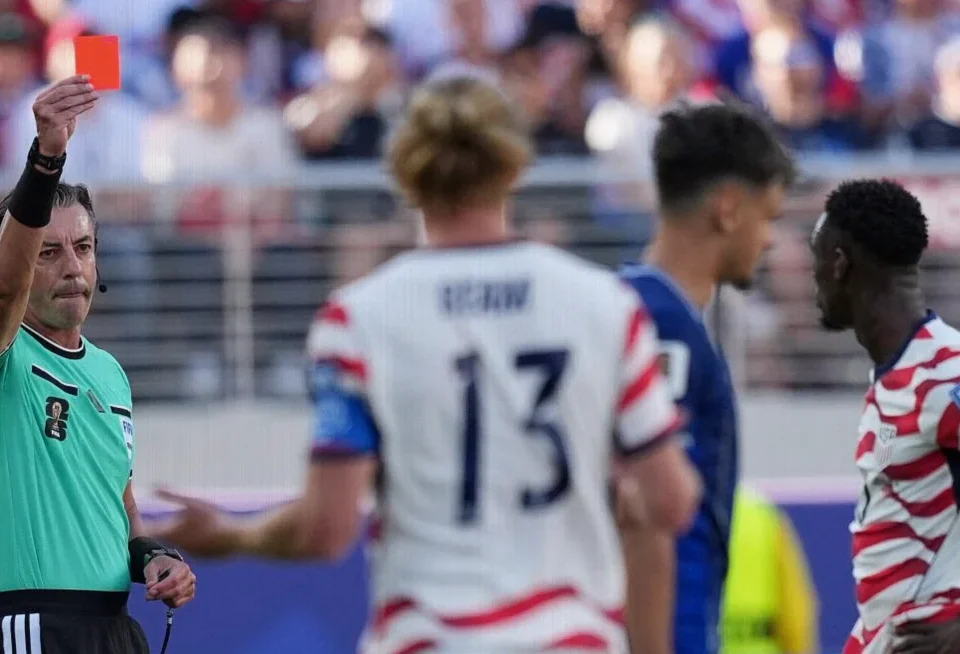
- Balogun, the Monaco striker, was sent off directly for the United States in their 2026 World Cup round-of-32 match against Bosnia and Herzegovina.
- His automatic one-match ban was subsequently placed on hold, allowing him to feature in the hosts’ round-of-16 tie with Switzerland.
- Switzerland won that match 4-1, but the decision to make Balogun available became one of the tournament’s most disputed disciplinary episodes.
- Claims surrounding the affair said Donald Trump intervened personally, with a call to FIFA president Gianni Infantino preceding the decision to suspend the punishment.
- On Tuesday night, around 30 hours before the FIFA Council meeting, Council members received a document proposing an amendment to Article 27 of FIFA’s regulations.
A narrower limit on suspended punishments
The proposed amendment would define circumstances in which a FIFA Disciplinary Committee decision cannot be suspended. Its practical effect would be to state that an automatic one-game ban following a dismissal must not be put on hold.
Balogun is not named in the text, yet the timing and substance of the proposal place the United States case at its centre. By clarifying that an automatic suspension cannot be deferred, FIFA would effectively acknowledge that the earlier wording left room for the interpretation used during the World Cup.
That interpretation has drawn particular scrutiny because FIFA Circular 16, issued for the 2026 World Cup, described the sanction following a red card as automatic. Earlier FIFA circulars published between 2002 and 2005 are also said to contain similarly clear language.
Council faces a difficult vote
The Council must now decide whether to approve the Article 27 revision or withdraw it amid the expected backlash. If adopted, the amendment would provide a firmer legal boundary for future tournaments, while also intensifying questions over why Balogun’s ban was treated differently in the United States’ World Cup campaign.