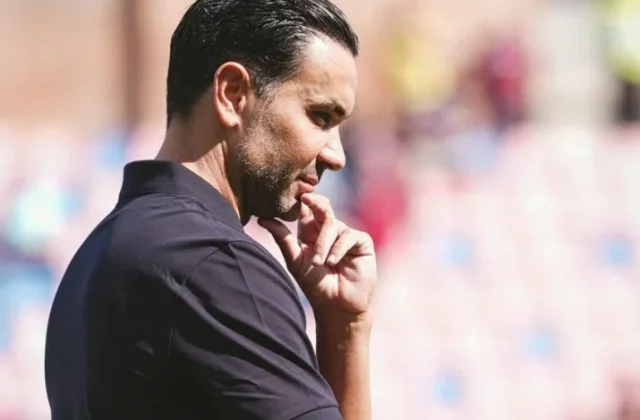
Bologna’s season has already taken an abrupt turn, with Raffaele Palladino asked to take charge after Vincenzo Tedesco’s dismissal following four matches. At Casteldebole, where progress has been built patiently in recent years, the change places another young coach at the centre of a demanding moment.
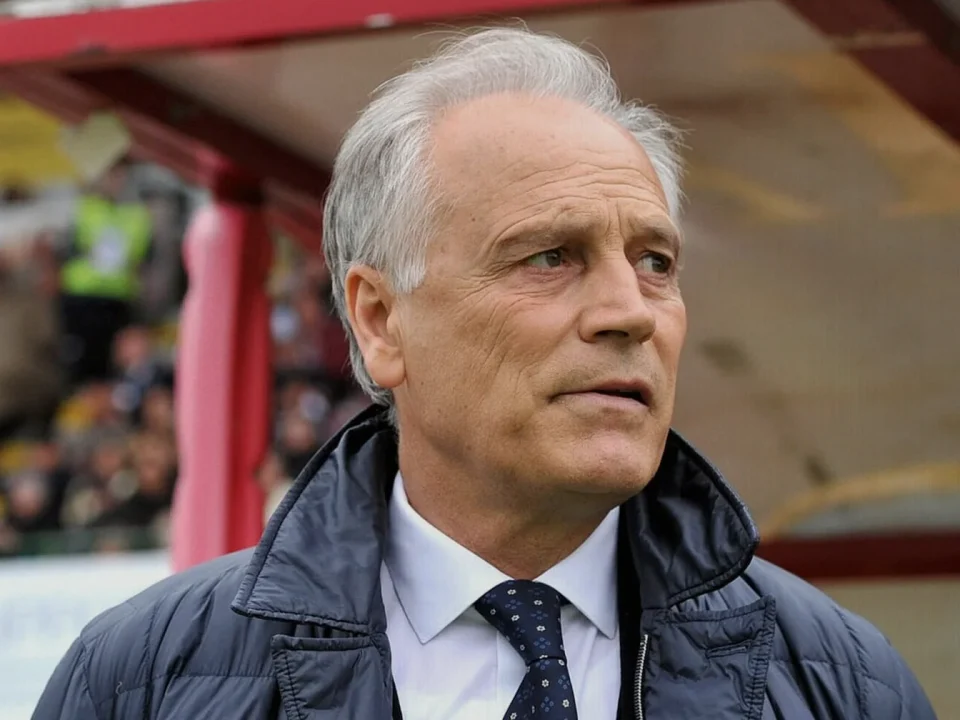
Franco Colomba knows that club and the volatility of a bench better than most. His own Bologna departure, in August 2010 and only days before the league opener, remains an exceptional case in the club’s recent history.
Quick facts
- Vincenzo Tedesco was removed after four games.
- Franco Colomba left Bologna in August 2010 shortly before the Serie A season began.
- Colomba’s exit followed a change of ownership, from the Menarini family to a new company.
- Palladino previously worked briefly under Colomba at Parma while recovering from injury.
- Bologna director Giovanni Sartori has a contract due to expire in June.
Colomba drew a clear distinction between his dismissal and the present one. He said his exit was tied to the takeover, with the incoming ownership unwilling to carry an additional coaching salary and hoping he would soon find another job. He later joined Parma.
Tedesco’s situation, he said, must have developed for different reasons. Colomba does not know the details, but believes a coach removed so quickly is usually judged on more than results: reactions inside the group, players’ confidence in the manager, and directors under pressure can all shape the decision.
That is the climate Palladino inherits. Colomba had the current Bologna coach at Parma for only a few months, when Palladino was returning from an injury and did not resume playing until after Colomba had left. Still, he remembered him as an intelligent and alert young player.
Now Palladino arrives with a coaching record that Colomba considers significant for his age, but at a club entering what may be its most difficult campaign after several strong seasons. The appointment is a major crossroads for both coach and club.
Palladino appears set on using a three-man defensive line, a choice Colomba believes the new coach is capable of assessing himself. He noted Palladino’s experience under Gian Piero Gasperini as a player, while stressing that the more immediate task will be understanding Bologna’s new arrivals.
Those players must help soften the impact of important departures. Colomba said Bologna have long operated by selling key figures and replacing them, an approach shared by Atalanta and familiar to Sartori from his previous work there.
For clubs outside the traditional elite, he argued, recruitment is not an optional part of the project but the structure that sustains it. The method is difficult, though Bologna have shown they can follow it with consistency.
Sartori’s own future will eventually require a decision, with his deal expiring in June. Colomba saw no need for haste, saying the director has completed an impressive body of work since arriving in Bologna.
The new chapter begins with Palladino, a changed dressing room and the pressure created by an early dismissal. Colomba’s hope is simpler: that Bologna can eventually return to the kind of celebration that sees the city looking up towards a trophy.