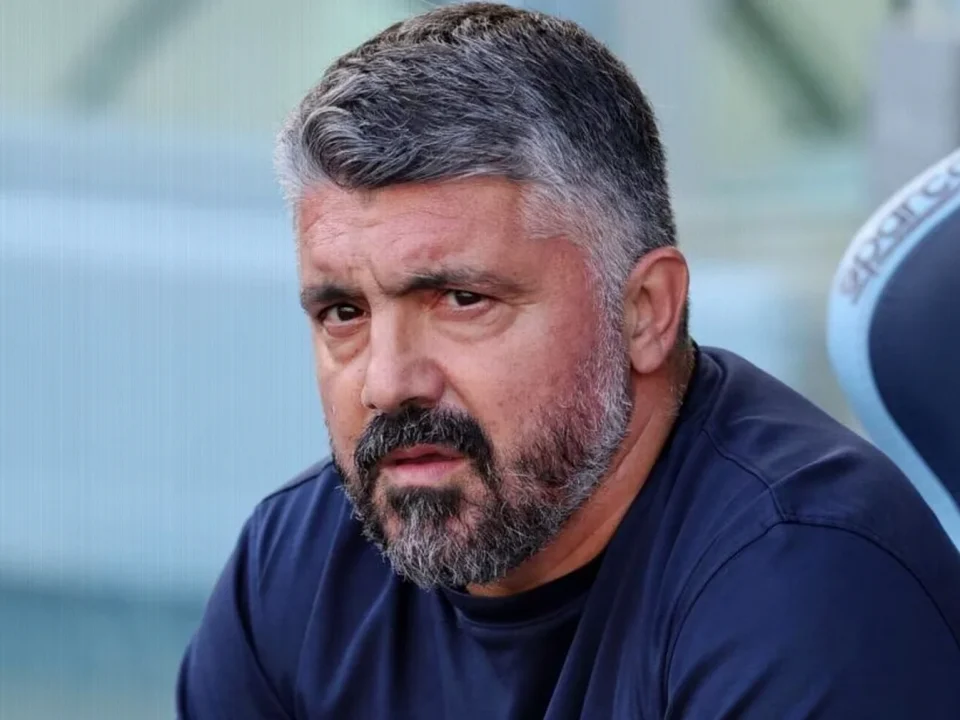
Rino Gattuso’s work at Lazio has brought an old question back into the centre of the Italian game: why is he still judged through the image of the midfielder rather than through the record he is building as a coach?
The decision
Gattuso has long carried the weight of a nickname and a career defined, in the public imagination, by tackles, intensity and confrontation. Yet the man on the Lazio bench is being asked to do something rather different: guide a group assembled under clear financial restraint, protect it from pressure and give it competitive direction over a long Serie A season.
That responsibility is not new to him. At Pisa, he put himself in front of his players during difficult moments and even used his own money to help pay them. The instinct to shield a squad has remained, but it now appears in a more controlled form. The former midfielder has learned to put calm before impulse, reserving the old edge for the players when the game requires it.
The argument around Gattuso is not that he should be placed into a single tactical school, alongside coaches as different as Ruben Amorim, Cesc Fabregas, Antonio Conte, Gian Piero Gasperini, Cristian Chivu or Massimiliano Allegri. It is that his standing, authority and command of a dressing room deserve to be assessed without prejudice.
Lazio’s position makes the case more forcefully. Their squad has been built with limited room for spending, and the challenge is therefore larger than simply implementing an idealised style. A coach must manage expectations, absorb difficult weeks and keep a team moving while the club works within its means.
Even if Lazio’s final league position does not match their current standing, this season may still represent an important personal milestone for Gattuso. It offers the clearest chance yet to separate the coach from the player: not to deny the determination that made him famous, but to recognise the judgement and composure he has developed on the touchline.
Gattuso does not cultivate an elaborate public persona. He does not appear interested in theatrical disputes with broadcasters or fellow coaches, and his manner does not seem to change between setbacks and successful runs. That consistency may be the strongest connection between the two versions of Gattuso: both are direct, genuine and difficult to move from their principles.
For a coach who has often been reduced to a caricature, the lasting achievement may be simple. Gattuso should now be regarded as a serious manager in his own right, rather than as a former player trying to escape his own reputation.