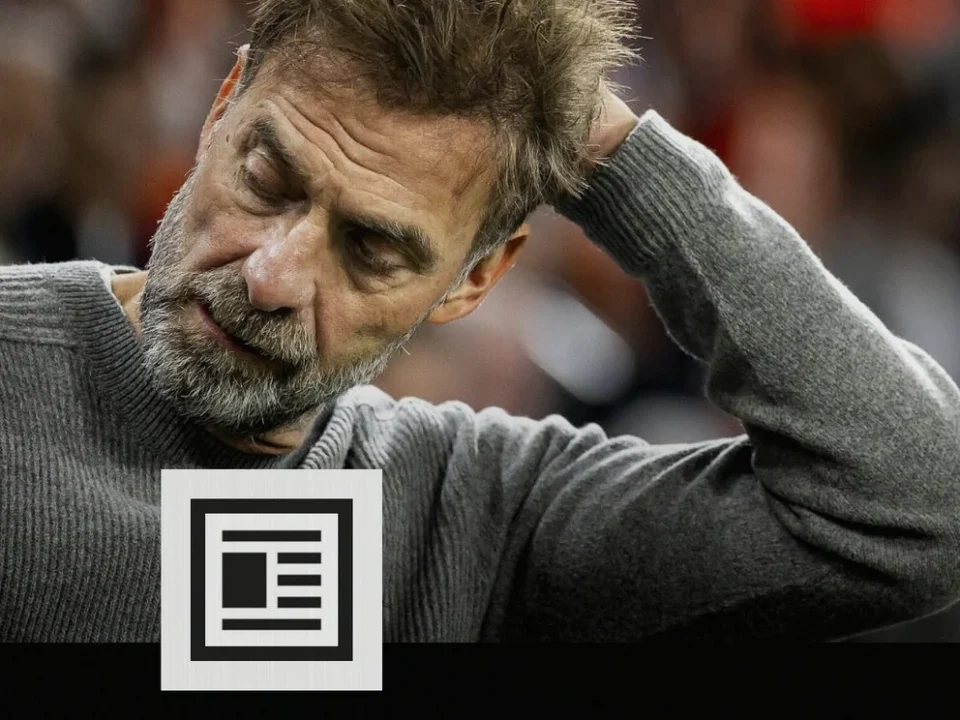
The first home night of Jürgen Klopp’s Germany reign ended in an uncomfortable silence. Greece left with a 1-0 Nations League victory on Sunday, their first-ever win over Germany, while the hosts were left confronting familiar doubts despite a new coach and a heavily changed squad.
A historic Greek win exposes German fragility
Germany had hoped Klopp’s arrival would bring an immediate lift after a prolonged decline since their 2014 World Cup triumph. Instead, the four-time world champions were beaten at home by Greece, a result that intensified the sense that the national side remains vulnerable when challenged.
- Greece won 1-0 in Germany in the Nations League on Sunday night.
- It was Greece’s first victory against Germany.
- The match was Klopp’s first home fixture as Germany head coach.
- Germany had 69% possession but could not turn territorial control into goals.
The defeat came in Klopp’s third match in charge, with the new manager already facing pressure to produce a response when Serbia visit on 1 October at 20:45.
Possession without penetration
Germany controlled the ball for long spells but lacked sharpness around the Greek penalty area. Their attack was judged to have been ineffective in front of goal, short of imagination for much of the contest and increasingly dependent on attempts from distance.
An inexperienced German side tried to dictate the rhythm, yet the performance remained far removed from the fast, aggressive style usually associated with Klopp. There were signs of progress, but the attacking display was still described as laboured and, at times, unconvincing.
Criticism focused on the new coach’s identity
Klopp’s teams have long been linked with intense pressing and high-energy football, often described through the language of “heavy metal”. Against Greece, however, the intended controlled chaos did not materialise. The intensity was inconsistent and the football could become slow, with the hosts unable to break down an opponent who had never previously beaten them.
- Germany’s ball dominance produced little clear attacking reward.
- The forward play lacked creativity and finishing quality.
- Long-range shots became a major route of attack.
- The team has not yet matched Klopp’s expected pressing speed or intensity.
Schweinsteiger delivers a harsh verdict
Former Germany international Bastian Schweinsteiger, now working as a television pundit, gave a severe assessment after the final whistle. “We are no longer a top team,” he said. “We are now only an average team.”
The wider reaction was similarly bleak. Germany’s recent tournament struggles were seen as evidence of a side that can still be destabilised too easily, even after significant personnel changes. The central message was clear: Klopp has brought enthusiasm and confidence, but he cannot solve every problem instantly.
Germany now turn towards Serbia knowing that another disappointing result would deepen scrutiny around a national team still searching for authority, attacking clarity and the resilience that once made it one of international football’s most feared sides.