
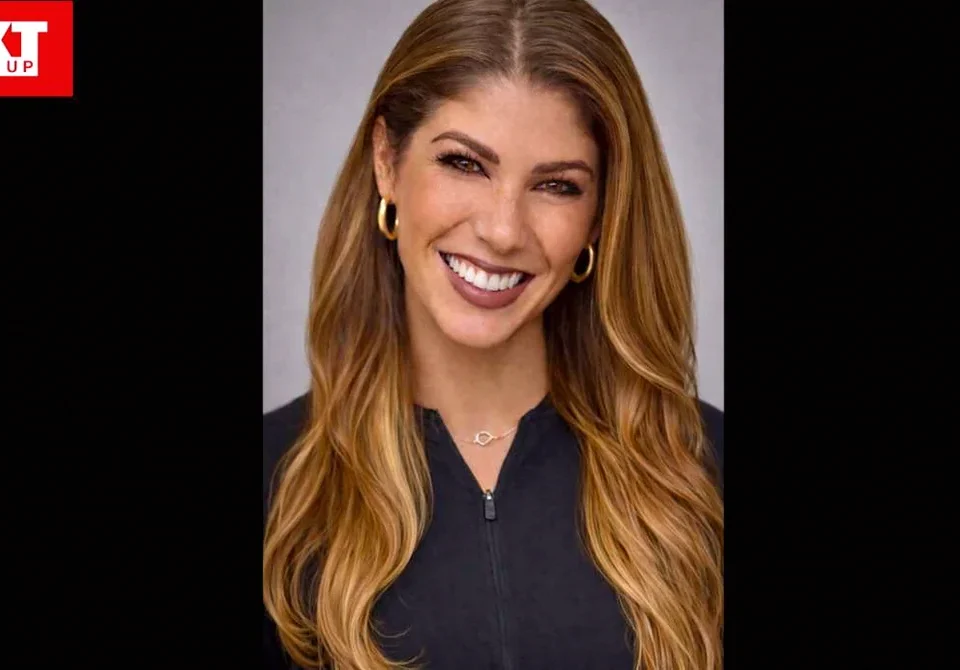
New Orleans Saints director of sports nutrition Jamie Meeks has turned a career that began with a high school cheerleading nutrition consultation into a central role supporting NFL players on everything from daily fueling plans to international travel logistics.
Key takeaways
- Meeks became LSU’s first full-time dietitian after proposing that the athletic department create the position.
- She now oversees player nutrition, hydration, body-composition support and meal operations for the Saints.
- The Saints began preparations after the 2025 season for their planned Paris game, including a week in France following their Week 6 matchup with the New York Giants.
- Meeks is a co-founder and current president of the Professional Football Registered Dietitian Society for the NFL.
- She said women can pursue demanding careers in pro football while building families, drawing on her own experience as a mother of three.
From LSU opportunity to an NFL nutrition department
Meeks’ interest in sports nutrition took shape while she was preparing to try out for the LSU cheerleading team as a high school senior. Her childhood coach, Joni Shaw, suggested she meet with a dietitian to better understand how food could support performance. The consultation changed her career direction.
She enrolled in LSU’s dietetics program, completed an accredited internship after graduation and passed the registered dietitian examination. Still intent on working with athletes, Meeks returned to school for a master’s degree in exercise physiology and approached LSU’s athletic department about volunteering to provide individual nutrition counseling.
Her work expanded from one-on-one sessions to team involvement, and she ultimately presented LSU with a proposal for a permanent role. The school approved it, making Meeks its first full-time dietitian immediately after she completed graduate school.
Meeks worked across all 15 LSU sports programs, with a particular concentration on football, for roughly four and a half years. She was drawn to the sport’s intensity and the way players connect daily habits to performance on Saturdays and, for many, eventual NFL aspirations.
During an LSU pro day, Meeks spoke with Saints strength and conditioning and sports medicine staff members about nutrition. New Orleans had previously used consultants but later chose to establish a full-time position. After maintaining contact for about a year, Meeks interviewed and landed the job, allowing her to return home to New Orleans.
In her current role, Meeks works directly with players to improve energy, hydration, body composition and overall fueling. The job also involves helping rookies adjust to a professional environment where football is their primary responsibility and their choices away from the facility can have a greater impact on their preparation.
Her support can continue beyond a player’s final season, with the department also helping athletes navigate the transition out of football.
Operationally, Meeks coordinates meals at the team facility alongside chefs and food-service personnel, while also arranging food for game days at the Superdome, flights and road hotels. She regularly collaborates with strength coaches, athletic trainers, physicians and equipment staff so each department is aligned on players’ needs.
Daily preparation and a major Paris assignment
During the season, Meeks generally arrives between 6:30 a.m. and 7 a.m. to prepare the fueling station in the weight room for players who begin workouts early. Her office is connected to that space, and the morning routine includes stocking supplies, coordinating with kitchen personnel and, at times, conducting body-composition testing.
Once players move into position meetings, Meeks handles planning and administrative work, including contacting hotels and stadiums about upcoming meal requirements. Practice brings sideline hydration and fueling responsibilities, followed by post-practice recovery work and further meetings with the strength and medical staffs.
The Saints’ planned first NFL game in Paris has added another layer to that workload. Meeks said preparations started immediately after the 2025 season, when staff members made an advance visit to inspect the hotel, practice facilities and other team locations while building contacts with local chefs, banquet staff and event coordinators.
New Orleans determined it would travel to France for a week after its Week 6 game against the Giants, following a model the club has used for London trips. Meeks expects players to receive three or four meals per day, requiring detailed menu work across a language barrier. Her goal has been to provide familiar foods the roster expects while incorporating elements of French cuisine.
Travel planning also includes flight arrangements, customs considerations and postgame food coordination at the stadium. Meeks described the operation as a puzzle that depends on communication and a willingness to ask others for assistance.
One of the more difficult parts of her daily work, she said, is helping players sort through conflicting nutrition advice from social media, artificial intelligence tools, trainers, friends and family. Meeks aims to establish trust by providing evidence-based guidance and by remaining consistently available to players as people as well as athletes.
She credits relationship-building, curiosity about other departments and a willingness to help colleagues for much of her professional growth. Meeks said experience also helped her become more resilient, less likely to take setbacks personally and more confident in her own expertise after initially dealing with imposter syndrome.
Shaw remains an important mentor, along with the LSU staff that gave her an early opportunity and sports dietitian Tavis Piattoly, who encouraged her to attend graduate school. Meeks also pointed to the broader network of sports dietitians who routinely share advice and resources.
Meeks said women entering a male-dominated football environment should recognize the value of their distinct perspectives and problem-solving approaches. She recalled being pregnant during her interview with the Saints and telling general manager Mickey Loomis that her due date fell near the start of football season. Loomis told her that having a baby was never bad timing, a response that helped convince her she would accept the position if offered.
As a mother of three, Meeks said professional ambition and family life can coexist. She also wants to help develop the next generation of sports dietitians through the Professional Football Registered Dietitian Society, which she helped found and now leads.
The organization shares best practices, supports continuing education and seeks to establish common principles across all 32 NFL clubs, even though each team operates differently. Meeks said the league has increasingly recognized the value dietitians bring to both players and organizations.
Looking back, Meeks said she is most proud that she advocated for herself at LSU despite limited experience, stayed resilient through difficult days and brought that same determination to the NFL.