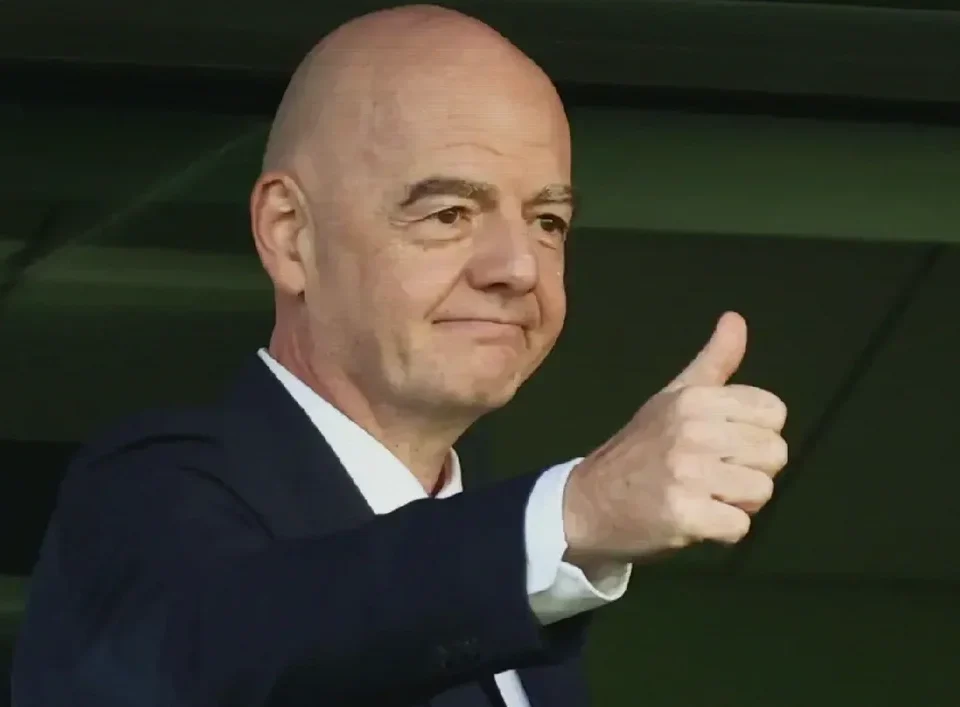
In Zurich, where FIFA’s glass-and-steel headquarters sits at the centre of a game administered across every time zone, Gianni Infantino has invited a fresh look at how the organisation governs itself. The FIFA president has written to the governing Council and to the presidents of all 211 member associations, proposing that they consider commissioning an independent assessment of the body’s decision-making arrangements.
The initiative is not yet a reform package or a confirmed review. Infantino has asked the Council whether it wants an outside examination of FIFA’s existing procedures and recommendations for possible change. The Council must first decide whether such a process should proceed and, if it does, how broad its mandate should be.
The letter follows the withdrawal in July of FIFA Forward Enterprise, a proposed commercial structure that envisaged private investment linked to the rights for FIFA competitions. The plan encountered resistance across international football before it was abandoned. Infantino said it had not been formally put forward for approval when details became public, which he argued had created misunderstanding around the project.
A consultation across the game
Alongside the possibility of an external review, Infantino has suggested a consultation involving the confederations, national associations and other football stakeholders. The intended purpose is to gather specific ideas on improving institutional participation before FIFA takes decisions with major strategic consequences.
Among the areas open to discussion are the respective responsibilities of the FIFA president, the Bureau, the Council and the Congress. Transparency and accountability are also central to the exercise, with attention on whether FIFA’s various bodies should be involved earlier when large projects are being developed.
The first opportunity to consider submissions could come at the FIFA Council meeting in Zurich on 15 October. Any proposals requiring amendments to FIFA’s statutes would then need to go before Congress, where the member associations retain the power to debate and vote on measures needing their approval.
Infantino also stressed that a member association’s view on an institutional proposal should not affect its access to FIFA development or solidarity programmes. In other words, disagreement over governance or commercial direction should not determine whether an association receives support intended for football’s wider growth.
Reserves and representation
The governance debate has unfolded alongside wider friction between FIFA and some of its confederations. UEFA and Concacaf recently called for an examination of FIFA’s financial reserves and raised the prospect of distributing funds among all 211 member associations. Their intervention came in the wake of the Forward Enterprise dispute and added another dimension to the conversation about how global football’s resources and authority are handled.
The next move now rests with the FIFA Council. Its October gathering may set the terms for an independent evaluation, while also opening a longer debate over how much influence FIFA’s constituent bodies should have before strategic plans reach the public stage. From Zurich to the confederation offices and national federations beyond, the question is less about a single abandoned venture than about who is in the room when the world game’s largest decisions are shaped.