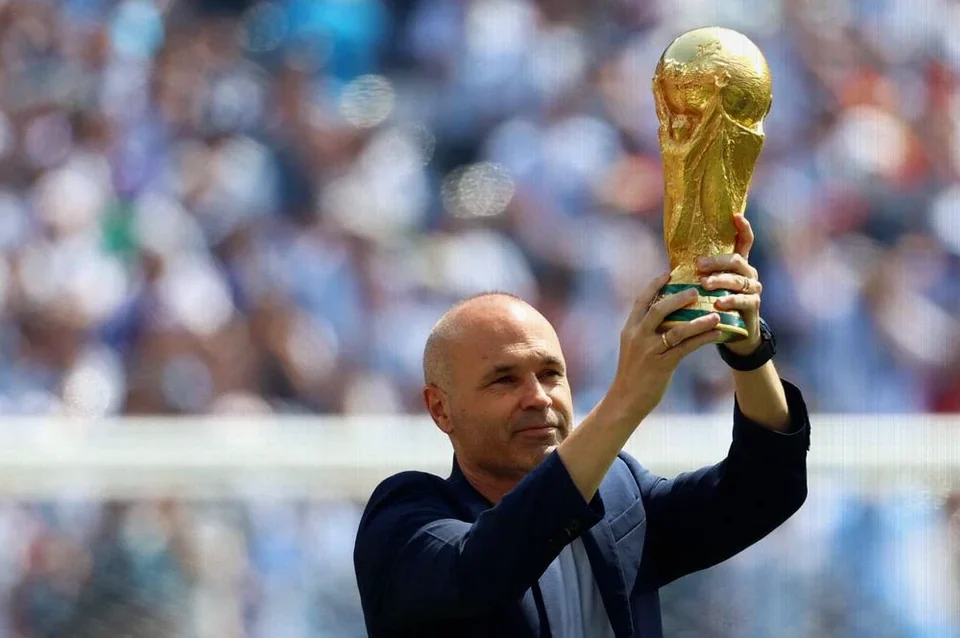
From Barcelona to the Gulf, Andrés Iniesta has returned to a debate that still hangs over Catalan football: the Negreira case and the question of whether one of Europe’s defining teams of the 2000s and 2010s received improper help. Speaking as a former Barcelona captain and now coach of Gulf United FC, Iniesta insisted that his experience inside the club offered no sign of refereeing favour.
“On the football side, there is nothing to discuss,” Iniesta said. While acknowledging that the wider matter has not yet reached its conclusion, he argued that a review of the matches from the period under scrutiny would not uncover even one per cent of the alleged assistance. He said he neither heard of, saw nor felt any support for Barcelona, adding that players and supporters regularly believe decisions benefit the other side.
The case concerns payments made by Barcelona to José María Enríquez Negreira, the former vice-president of Spain’s technical refereeing committee, from 2001 until 2018. Barcelona have consistently maintained that the payments covered refereeing reports and advisory work, rejecting any suggestion that they sought to influence sporting competition.
A case still open on two fronts
The dispute has gained fresh momentum after Real Madrid submitted an extensive file to UEFA concerning the payments. The Madrid club have pressed for firm disciplinary action, while UEFA has confirmed that its own proceedings against Barcelona were not closed and remain open pending further evidence that could establish whether sanctions are warranted.
There have also been calls for Barcelona to lose titles won between 2001 and 2017. Iniesta’s view is that such a punishment would have no basis because, as he sees it, no sporting wrongdoing took place.
In Spain, the criminal investigation continues, although Negreira’s health and the timetable for the inquiry have complicated the process. Barcelona remain engaged in a legal confrontation with Real Madrid and the club’s president, Florentino Pérez, while defending their explanation for the payments.
Iniesta also reflected on football’s habit of placing individual honours at the centre of the conversation. The Ballon d’Or, he suggested, does not sit alongside the prizes that shape a club’s season. Supporters want league championships and the Champions League first; an individual award, in his words, is welcome if it arrives but cannot carry the same weight as collective success.
It is a familiar perspective from a player whose Barcelona years were measured in league titles, European nights and Spain’s international triumphs. Yet his intervention comes at a moment when the achievements of that era are again being examined beyond the pitch, with the legal and UEFA processes still waiting for their final direction.