Serie A returns after a three-week international pause with Milan and Inter carrying the heaviest mileage back to club duty, while the two Roman sides have been given a rather different kind of advantage. The break sent players across Europe, Africa and the Americas for Nations League matches, Africa Cup of Nations qualifiers and friendlies; now the domestic programme resumes with European fixtures also set to compress the weeks until November.
Milan and Inter return with the fullest international ledgers
The two Milan clubs supplied the most heavily used players among the leading Serie A teams during the break, with Milan narrowly finishing ahead of Inter in aggregate minutes.
- Ardon Jashari accumulated 295 minutes for Switzerland, a workload that has already come close to doubling his playing time for Milan this season.
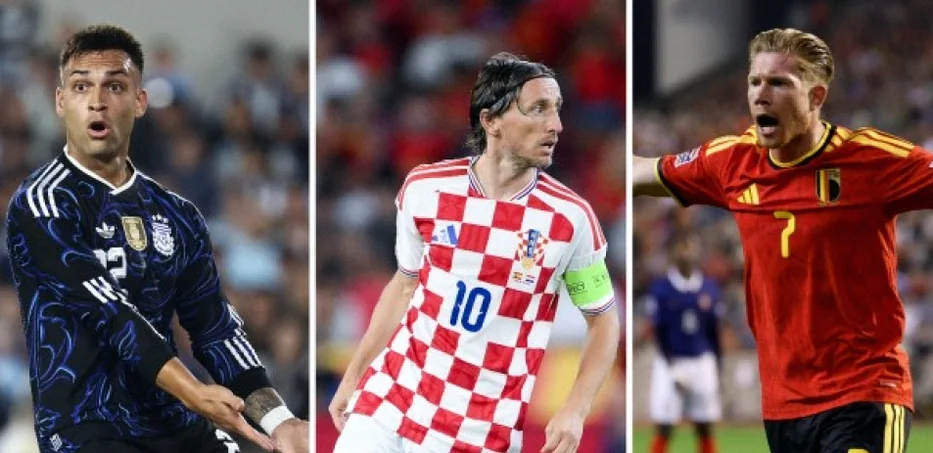
- Luka Modric played 207 minutes for Croatia despite being 41 and leading his country through a demanding set of high-level matches.
- Francesco Camarda recorded 118 minutes with Italy Under-21s, an important spell for a player who has had limited opportunities with the club side that developed him.
- For Inter, Manuel Akanji was Switzerland’s most-used Nerazzurri player, just ahead of Poland’s Piotr Zielinski.
- Aleksandar Stankovic also benefited from substantial involvement with Serbia, giving the younger Inter player valuable senior international experience.
The reward for those called up is match rhythm and prominence with their national teams. The cost is clear enough: Milan and Inter must now return immediately to an intense sequence of league and European commitments, with little chance to restore energy before the November break.
Rome’s clubs find a useful contrast
Roma and Lazio each emerged from the international window with a little over 1,200 total minutes, roughly half the workload accumulated by the leaders. In a season that will increasingly be decided by availability as much as selection, that lighter burden may matter.
Roma’s total was shaped both by the relative youth of Gian Piero Gasperini’s squad and by circumstances from the past month, rather than any lack of standing for the group. Donyell Malen did not travel, while Evan Ndicka was the most used Roma player at senior international level, playing 187 minutes for Ivory Coast.
Lazio’s position lower down the list is less surprising. Gennaro Gattuso’s side have continued to attract attention as one of the campaign’s unexpected stories, yet their international load remained manageable. The exception was Oliver Provstgaard: the 23-year-old has become a regular for Denmark, mirroring the importance he has established under the former Italy coach at club level.
Roma and Lazio therefore resume with fewer players arriving exhausted, a potentially useful condition as both attempt to stay close to an Inter side that has demanded much more from its international contingent.
Napoli’s burden and Juventus’ uneven picture
Napoli have been dealing with an injury-hit squad, yet still placed third for total international minutes among the major Italian sides. Massimiliano Allegri’s team reached 2,094 minutes, with several of their leading players heavily involved in representing their countries.
Juventus, meanwhile, experienced a split break. Their wide players carried much of the load, while the central core of the squad was largely protected from further demands.
- Zeki Celik, Kerim Alajbegovic and Edon Zhegrova were among those used extensively in wide areas.
- Guglielmo Vicario did not play any international minutes.
- Gleison Bremer, Weston McKennie and Randal Kolo Muani were among the players who remained at Continassa.
For Luciano Spalletti, the balance offers some encouragement despite the injuries already affecting his work. Juventus return with concerns on the flanks, but with several important figures spared the extra physical strain of the break.
Como’s younger players gain another layer of experience
Como’s international period was divided between established senior involvement and opportunities for Cesc Fabregas’ younger players. Lucas da Cunha featured for France and Nico Paz for Argentina, while several of the club’s promising youngsters were active at Under-21 level.
That experience may become useful as Serie A resumes its crowded autumn schedule. For every club, the international pause has delivered a different calculation: some return with players sharpened by significant minutes, others with fresher legs, and all of them facing a calendar that will offer little room for recovery.