At Lille, the next step in Olivier Létang’s stadium battle is set to move from dispute to control. LOSC have reached an agreement with the European Metropolis of Lille to settle €24 million in unpaid stadium charges, while a separate deal with Eiffage would eventually hand the club operational control of the Stade Pierre-Mauroy.
The move
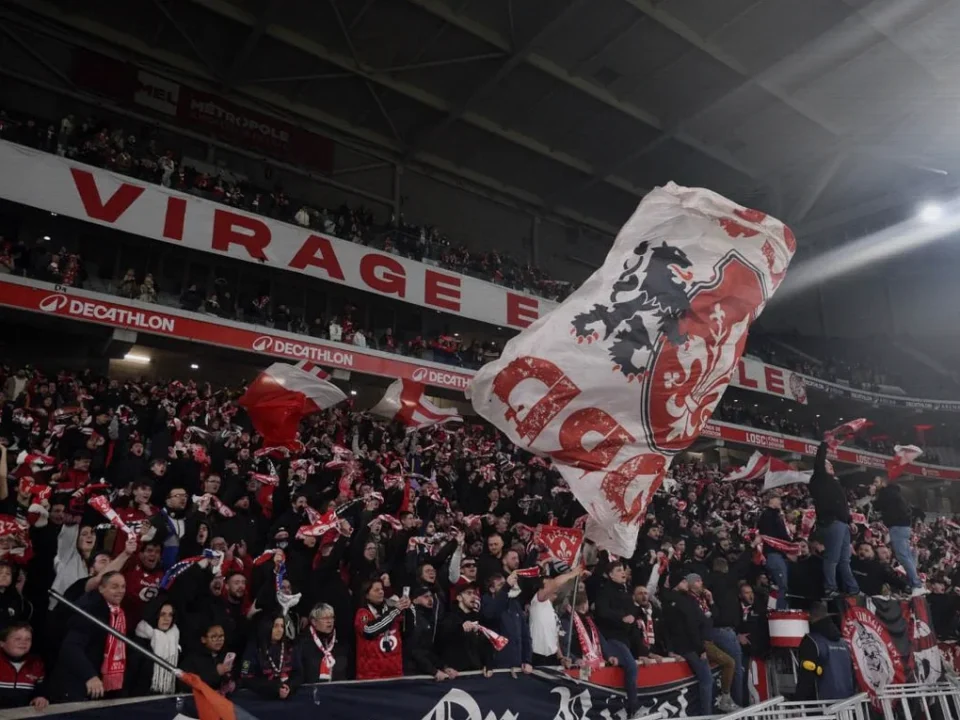
The Lille metropolitan authority is due to consider the arrangements during its Friday session, beginning at 5pm. The agenda includes the occupancy agreement for the Decathlon Arena Stade Pierre-Mauroy, the fees paid by LOSC and the operating partnership with Eiffage and its subsidiary Elisa, which currently runs until 2043.
LOSC stopped paying its annual stadium rent several years ago, with the charge estimated at around €6.5 million per season. The resulting unpaid total stands at €24 million, excluding interest, and had led to a case before Lille’s administrative court.
The agreement will settle that dispute, which the metropolitan authority believed it was likely to win in court. Lille are expected to repay the outstanding amount, subject to the authority’s vote.
Eric Skyronka, the mayor of Sailly-lez-Lannoy and president of the metropolitan authority since January, described the settlement as a mutually beneficial resolution. He praised Létang’s management despite acknowledging the LOSC chief’s forceful reputation.
The more significant change concerns the running of the stadium in Villeneuve-d’Ascq. Lille and Eiffage have been discussing the club’s possible purchase of the operating business for several years. Eiffage rejected the idea in 2022, but an agreement is now close and is expected to be completed no later than early 2027.
LOSC are set to acquire Elisa and its subsidiaries from Eiffage. A new company, Lille Arena SAS Opération LEDA, is planned to take over the operation.
The stadium itself will remain owned by the metropolitan authority. Lille would instead take responsibility for its day-to-day commercial use: football matches, concerts and other events. The club would operate under the same terms currently set out in the convention between the authority and the existing operator.
The agreement remains linked to the cost-of-living index. Skyronka stressed that Lille are not taking on the operation to make a loss, while the authority would retain an interest in the profits. That share was put at €6.8 million for 2025.
The French season around it
The proposed settlement ends years of public criticism from Létang over the conditions under which LOSC use the stadium, a venue built through a public-private partnership.
For Lille, the deal would add a major revenue-generating asset to a club already presented as one of Ligue 1’s more financially stable operations. LOSC have positive equity of €60 million and no remaining debt at French level, with liabilities instead transferred to holding companies, including structures in Luxembourg.
An Anglo-Saxon audit firm recently valued the club at €500 million. It remains unclear whether that estimate included control of the stadium operation, although such an asset would logically strengthen the club’s value in any future sale.
Skyronka said he had not detected any intention from Létang to run the stadium only briefly. He also maintained that the operating convention would remain unchanged should LOSC’s ownership change in the future.